

NYC’s First St. Patrick’s Day Parade: Civic Roots in 1762
Every March 17, St. Patrick’s Day brings parades, green attire, and celebrations of Irish heritage across the United States. But the tradition of public St. Patrick’s Day parades has a uniquely American origin. The earliest documented St. Patrick’s Day parade took place not in Ireland, but in New York City on March 17, 1762. This “on this day” event highlights how a simple march of Irish immigrants evolved into a shared civic tradition that continues to bring communities together today.¹
The First Parade: Homesick Irish in a New World
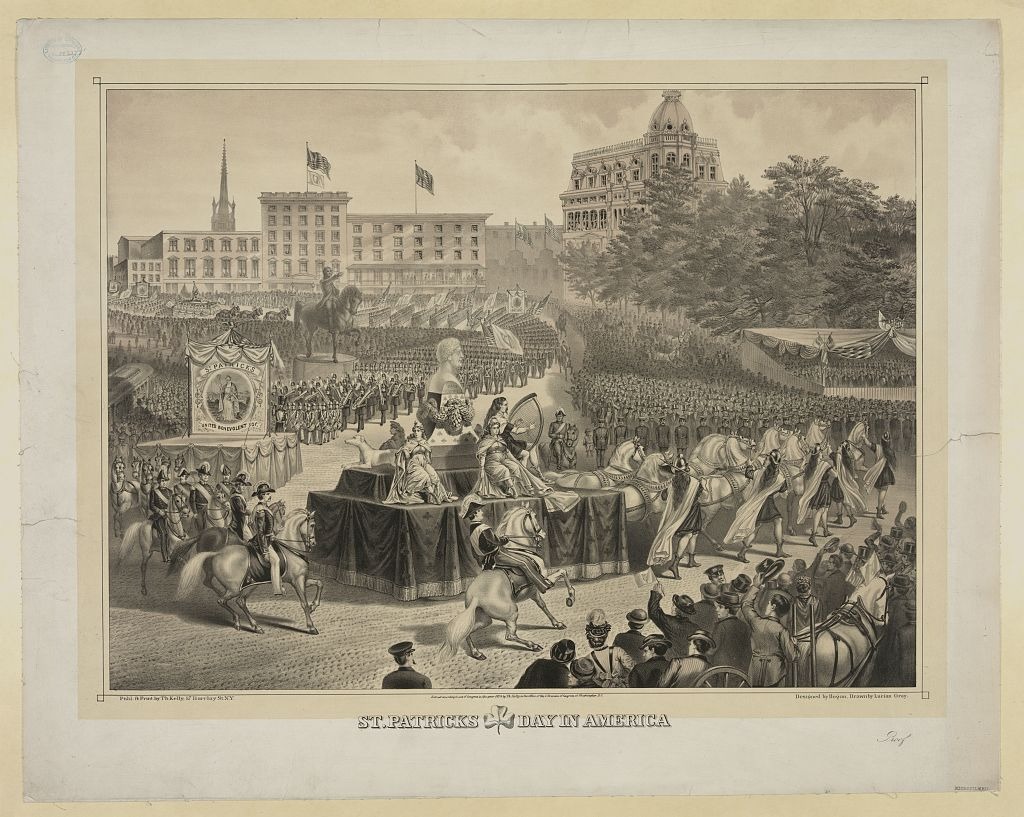
On March 17, 1762, a group of Irish ex‑patriots and soldiers stationed in New York City with the British Army organized what is widely recognized as the first St. Patrick’s Day parade in New York — and indeed the modern United States. At that time, wearing the color green and openly celebrating Irish heritage was restricted in Ireland. Marching in New York was an opportunity to express pride in their culture and community far from home.¹
This early parade was far from the grand processions we associate with St. Patrick’s Day today. Instead, it was a march of camaraderie: Irish ex‑patriots, military members, and friends walked together, played music, and wore symbols of their heritage along Lower Broadway.¹
According to cultural historians, the idea of a public parade on March 17 carried significant meaning. While St. Patrick’s Day celebrations in Ireland at that time were more modest and focused on religious observance, in America’s burgeoning cities, the holiday became a way for Irish immigrants to publicly claim space, celebrate shared identity, and build social bonds.² ³
From Military March to Community Tradition
In the decades that followed, the parade tradition flourished alongside growing Irish immigration. By the early 1800s, Irish fraternal and beneficial societies had taken over organizing the annual event from the military. These mutual aid groups used the parade as a way to strengthen community ties and support new Irish arrivals to the city.¹
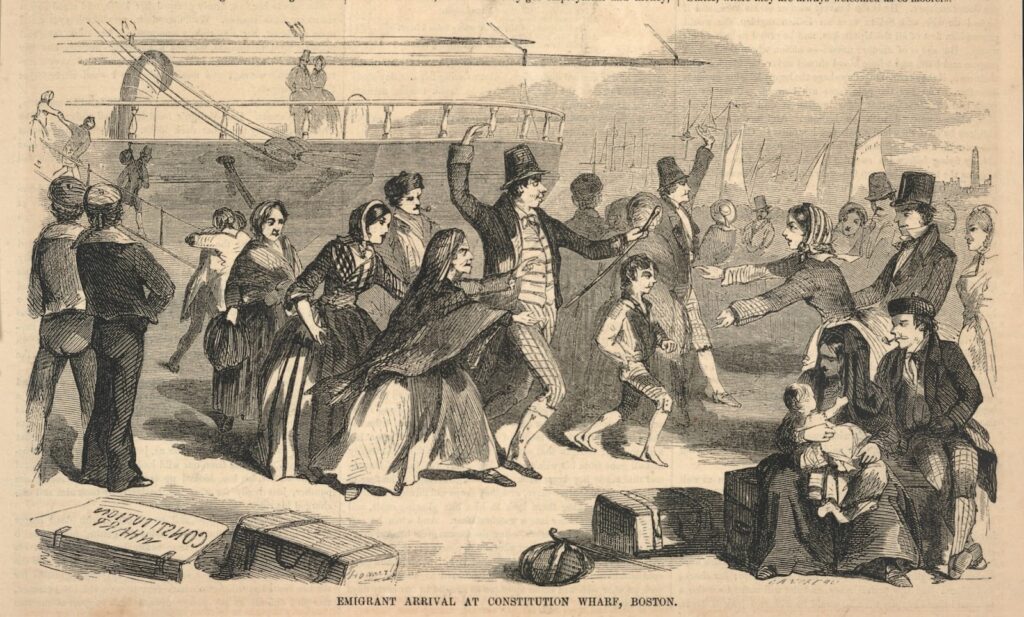
By around 1851, New York’s parade began to take on its modern form: a unified procession led by the famed 69th Regiment and sponsored by the Ancient Order of Hibernians (AOH).¹ This marked an important transition — from a small march of homesick immigrants to a civic tradition involving multiple Irish organizations and hundreds of participants.
Beyond cultural pride, the parade became a statement of civic belonging. Marching publicly demonstrated that Irish immigrants were part of the fabric of American life — contributing to their communities while nurturing their own identities.² ³
The Parade That Grew With the City
Over the centuries, the New York City St. Patrick’s Day Parade has grown dramatically. Today, around 150,000 marchers participate in the procession up Fifth Avenue, watched by nearly two million spectators lining the streets in Manhattan.¹
Unlike many large parades, floats and automobiles are traditionally not allowed in the New York procession — a nod to the original parade’s simplicity and focus on community participation.¹
What began as a small gathering of Irish soldiers and residents has evolved into one of the most enduring and widely recognized civic celebrations in the United States. The route now moves from East 44th Street to East 79th Street, passing iconic landmarks such as St. Patrick’s Cathedral, therebyreinforcing the parade’s historical and cultural significance.¹
A Shared Tradition That Resonates
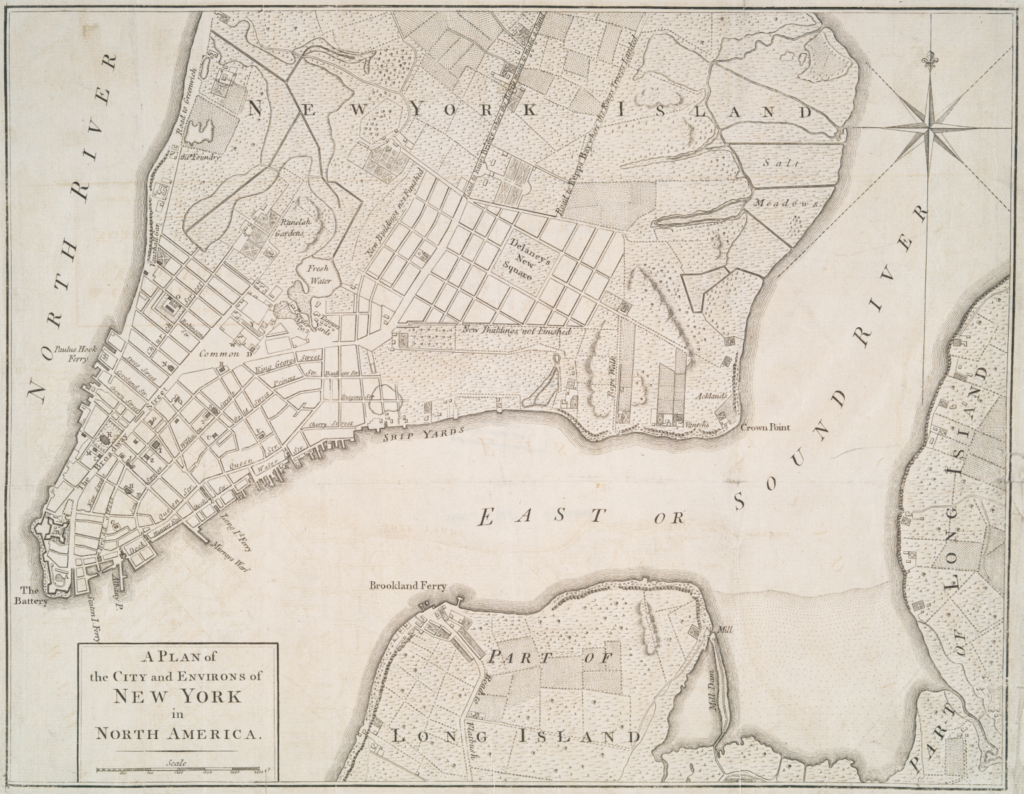
The history of St. Patrick’s Day in America differs from its origins in Ireland. Before the twentieth century, celebrations on the Emerald Isle were primarily religious and localized, without the large parades now common in U.S. cities. It was in America — particularly in places like New York — that St. Patrick’s Day grew into a broader cultural festival featuring parades, music, and public expressions of heritage.²
This transformation reflects a broader trend in American civic life: immigrant communities using public celebrations not only to honor heritage but also to cultivate a sense of belonging and contribution to the nation’s civic mosaic.³
What Today’s Celebrations Teach Us
As we mark St. Patrick’s Day each year, it’s worth pausing to consider the roots of these celebrations. The first parade in New York City was more than a festive gathering — it was a public affirmation of identity, community, and participation in civic life. What began with a small group of Irish immigrants has become a tradition that connects millions to a shared history of cultural pride and civic involvement.
Whether through a neighborhood parade, a school event, or simply learning about this history, every celebration of St. Patrick’s Day carries a legacy of community and belonging that traces back to that very first march on March 17, 1762.¹ ² ³
Footnotes / Sources
- History of the parade from the NYC St. Patrick’s Day Parade official history page: https://www.nycstpatricksparade.org/history/
- “St. Patrick’s Day in America,” National Portrait Gallery (Smithsonian Institution): https://www.npg.si.edu/blog/st-patricks-day-america
- History.com on the first St. Patrick’s Day parade: https://www.history.com/this-day-in-history/march-17/first-st-patricks-day-parade