

The Bill of Rights: How the First Ten Amendments Came to Be
The Bill of Rights — the first ten amendments to the U.S. Constitution — remains one of the most powerful symbols of American liberty. Ratified on December 15, 1791, these amendments guarantee freedoms (like speech, religion, and due process) that shape civic life today. But the Bill of Rights wasn’t inevitable; it was the product of political compromise, careful drafting, and a determined effort by one of the Constitution’s principal architects, James Madison.

Why a Bill of Rights?
After the Constitutional Convention (1787) produced the new Constitution, several states and influential critics — the Anti-Federalists — worried the new federal government lacked explicit protections for individual liberties. Many state ratifying conventions insisted that a bill of specific guarantees be added. To secure wider support for the Constitution and answer these concerns, supporters agreed that a set of amendments should be proposed soon after the new government convened.
Madison’s Role: From Skeptic to Sponsor
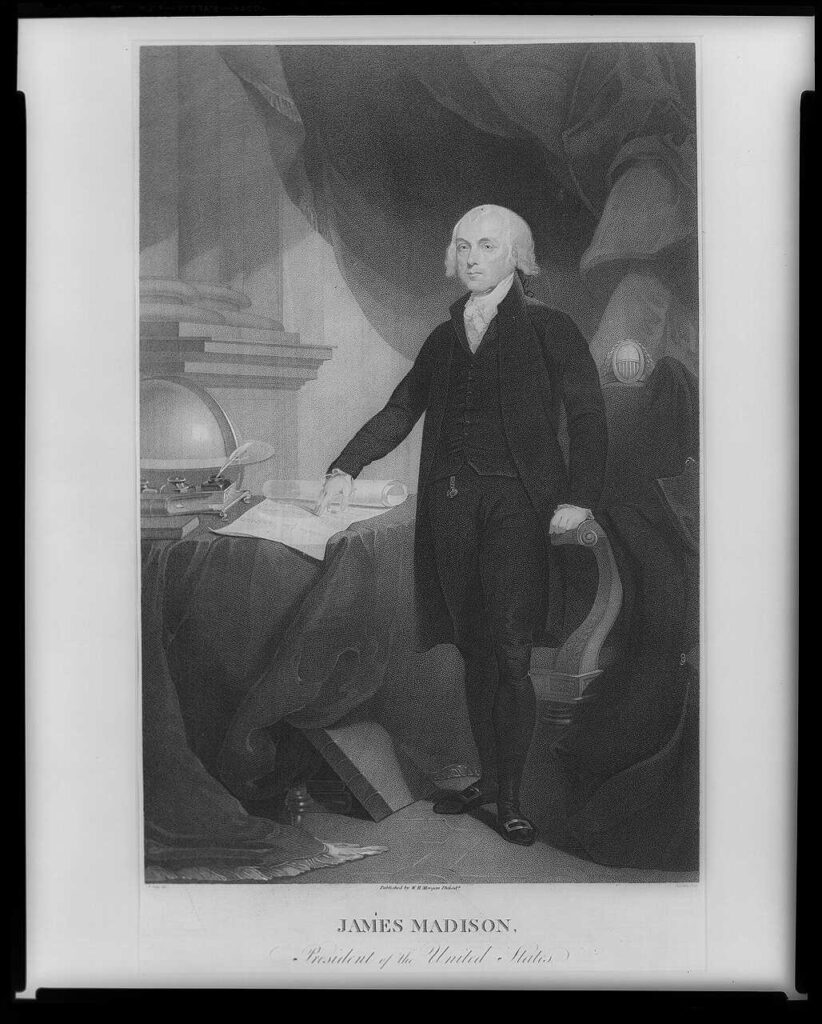
James Madison, often called the “Father of the Bill of Rights,” initially opposed adding a bill of rights during the Constitutional Convention, believing that the Constitution’s structure limited federal power already. Once the Constitution was in place, Madison changed course — partly because he recognized the political necessity of addressing Anti-Federalist concerns and partly because he believed amendments could strengthen the new government’s legitimacy. On June 8, 1789, Representative Madison introduced a series of proposed amendments in the First Congress and then worked persistently to shepherd them through Congress.
From Madison’s Proposals to the Ten Ratified Amendments
Madison’s original suggestions drew from a wide range of sources: state ratifying conventions, earlier state declarations of rights, and proposals from other congressional members. The House debated and passed a set of amendments that the Senate edited. On September 25, 1789, Congress transmitted 12 proposed amendments to the state legislatures for ratification. Of those twelve, ten were ratified by the necessary three-quarters of the states and took effect as the Bill of Rights on December 15, 1791. (Two of Madison’s proposed amendments were not ratified at the time; one of those later became the 27th Amendment in 1992.)
What the Bill of Rights Did (and Does)
The first ten amendments include protections that remain central to American civic life: freedom of speech, religion, and the press; the right to bear arms; protections against unreasonable searches and seizures; the rights of accused persons in criminal prosecutions; and other guarantees that limit federal power and protect individual liberty. These amendments not only reassured skeptics of the Constitution in the 1790s but also provided the foundation for centuries of constitutional interpretation and civic debate.
Where to Learn More
Whether you’re a student, educator, or lifelong learner, the Bill of Rights offers an essential window into how the Constitution functions as a living framework shaped by debate, compromise, and evolving ideas about liberty. Explore more through our Civics for Life Constitution resources and our Historical Foundations collection. For those interested in diving deeper into original texts and scholarly context, the National Archives and the Library of Congress offer extensive primary-source documents, images, and authoritative essays that illuminate the enduring role of the Bill of Rights today.