
Volume 4 | Issue 3
Why Are Students Self-Censoring in Civics Class?
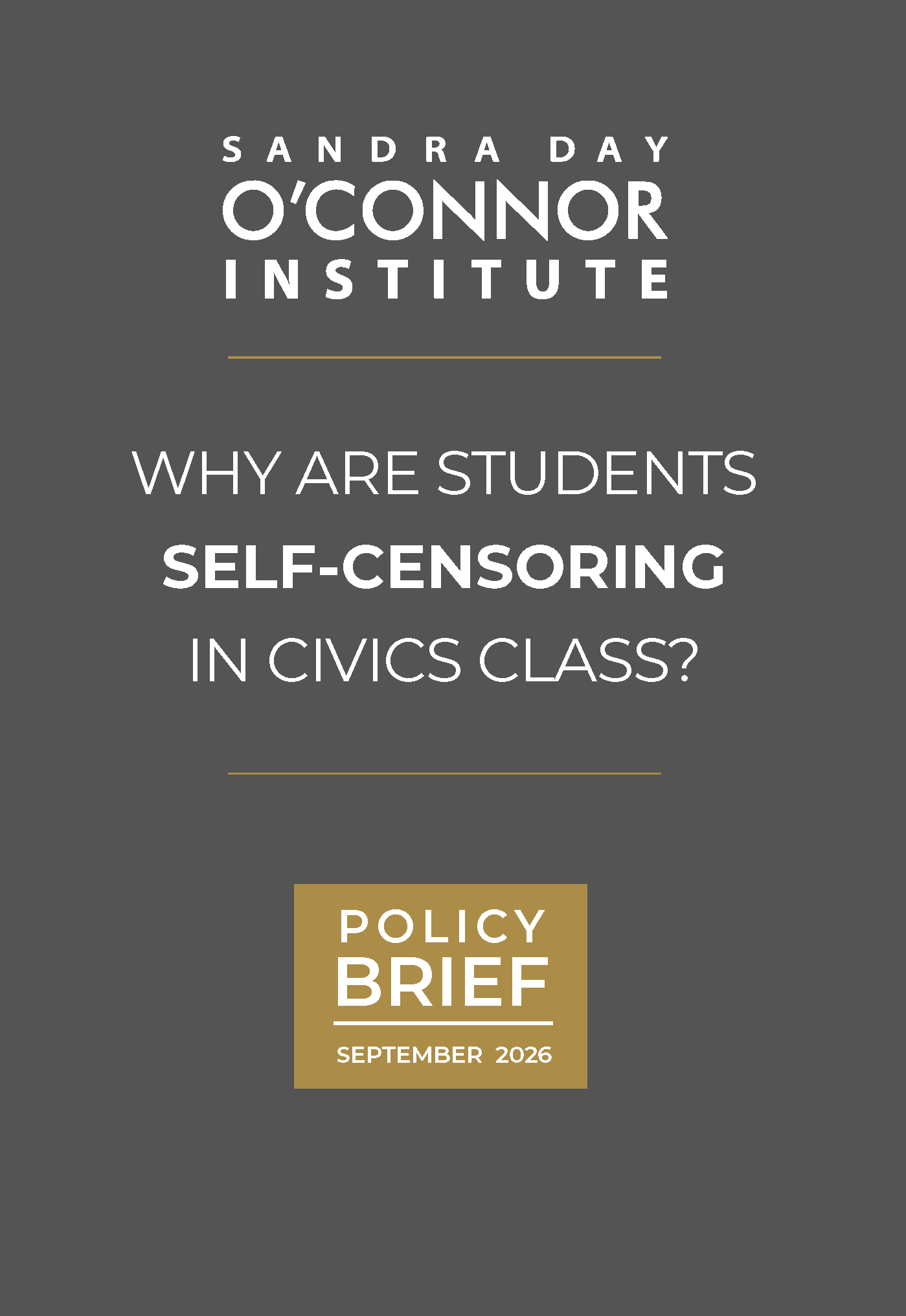
New research from the O'Connor Institute finds that when students self-censor in civics class, they worry most about one another.
Last year, nearly 80 percent of civics teachers surveyed by the O'Connor Institute said they had self-censored or avoided certain topics because they feared pushback. This year, we talked to the students.
Fifty-eight percent of recent high school graduates said they had held back from saying what they really thought about a political or civic topic in class because they were concerned about how others might react. Among those who self-censored, 91 percent cited classmates as a concern. Forty-one percent cited the teacher.
"The question is not simply whether schools permit controversial discussion," the brief concludes. "It is whether students are learning how to participate in one." Our recommendations begin there.
Hear from the students themselves in a short video, read the brief, and check out the news coverage here: oconnorinstitute.org/research2026
Our Next Book Club Pick
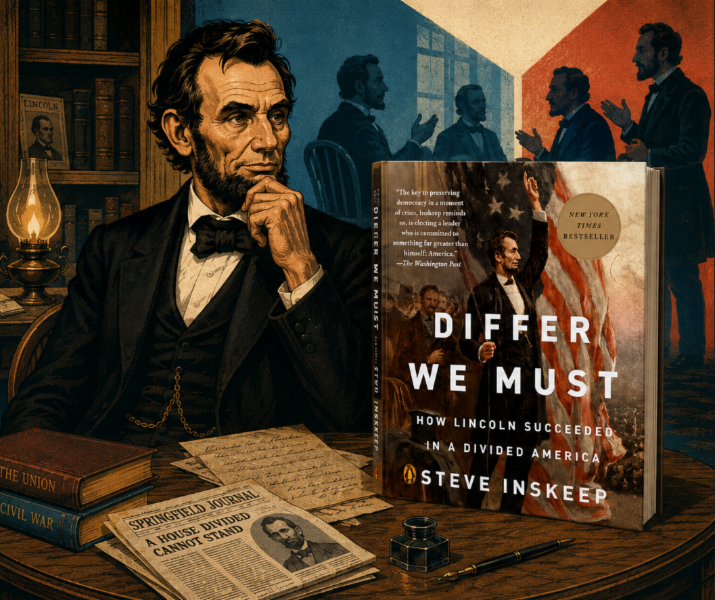
Differ We Must: How Lincoln Succeeded in a Divided America by Steve Inskeep
Book Club Discussion: October 15 at 10 AM PT | 1 PM ET
Holding a view among people who don't share it, and staying on good terms with them afterward, is a hard civic skill. Abraham Lincoln practiced it throughout his career.
In Differ We Must, journalist Steve Inskeep examines sixteen of Lincoln's relationships and encounters. He shows how the 16th president navigated conflict, worked with people who challenged him, and held to his principles while doing it.
The Civics for Life Book Club will discuss the book on Zoom on Thursday, October 15. You don't need to finish the book, or even start it, to join the conversation.
Before It Became History Podcast: The Constitution
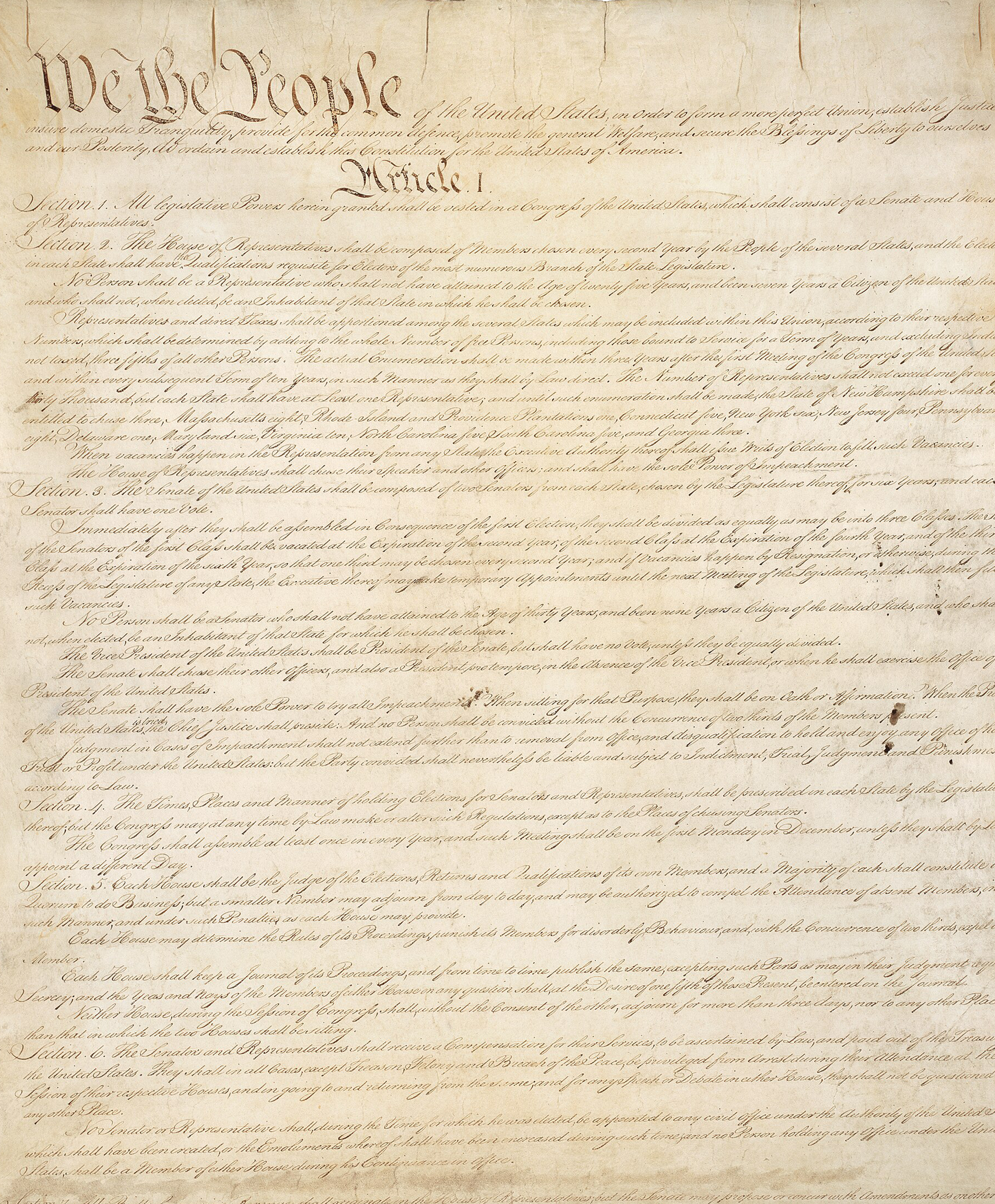
Constitution Day, September 17, marks the anniversary of the day 39 delegates signed the document that still governs American life.
The Institute's new podcast has spent nearly 60 episodes on the people and choices behind the American story, several of them tied directly to the Constitution. Start with "James Madison: How a Soft-Spoken Virginian Helped Shape a Nation" and "What Are the Articles of Confederation, and Why Did They Fail?"
Forty-Five Years Ago This Month
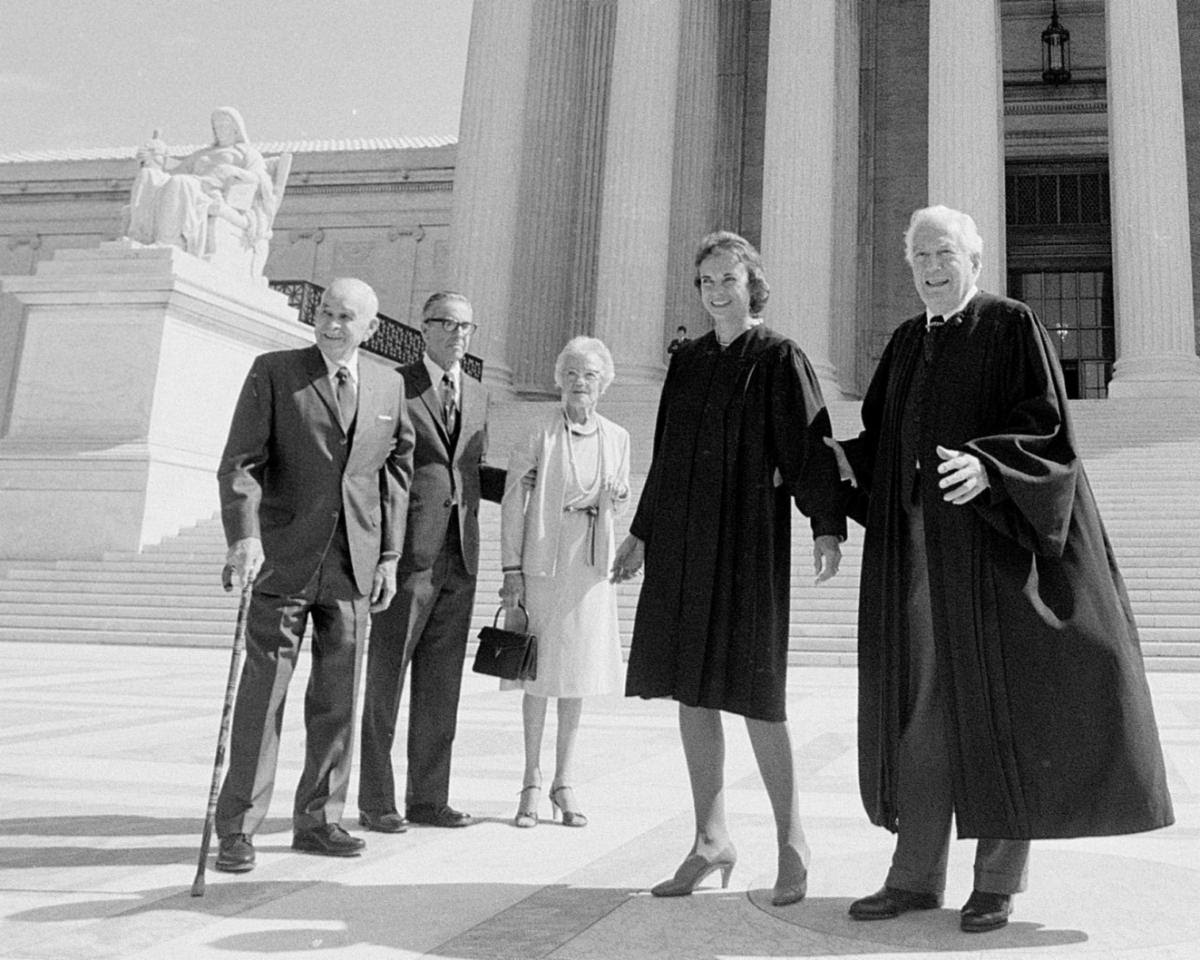
Forty-five years ago this month, Sandra Day O'Connor took the oath of office as the first woman on the United States Supreme Court. The Senate had confirmed her 99-0.
She served nearly a quarter century. After retiring, she turned to the work that continues at her Institute: helping Americans to understand and participate in the government she served. The Institute's digital library holds the record of that career.