

Custer’s Last Stand: The Battle of the Little Bighorn
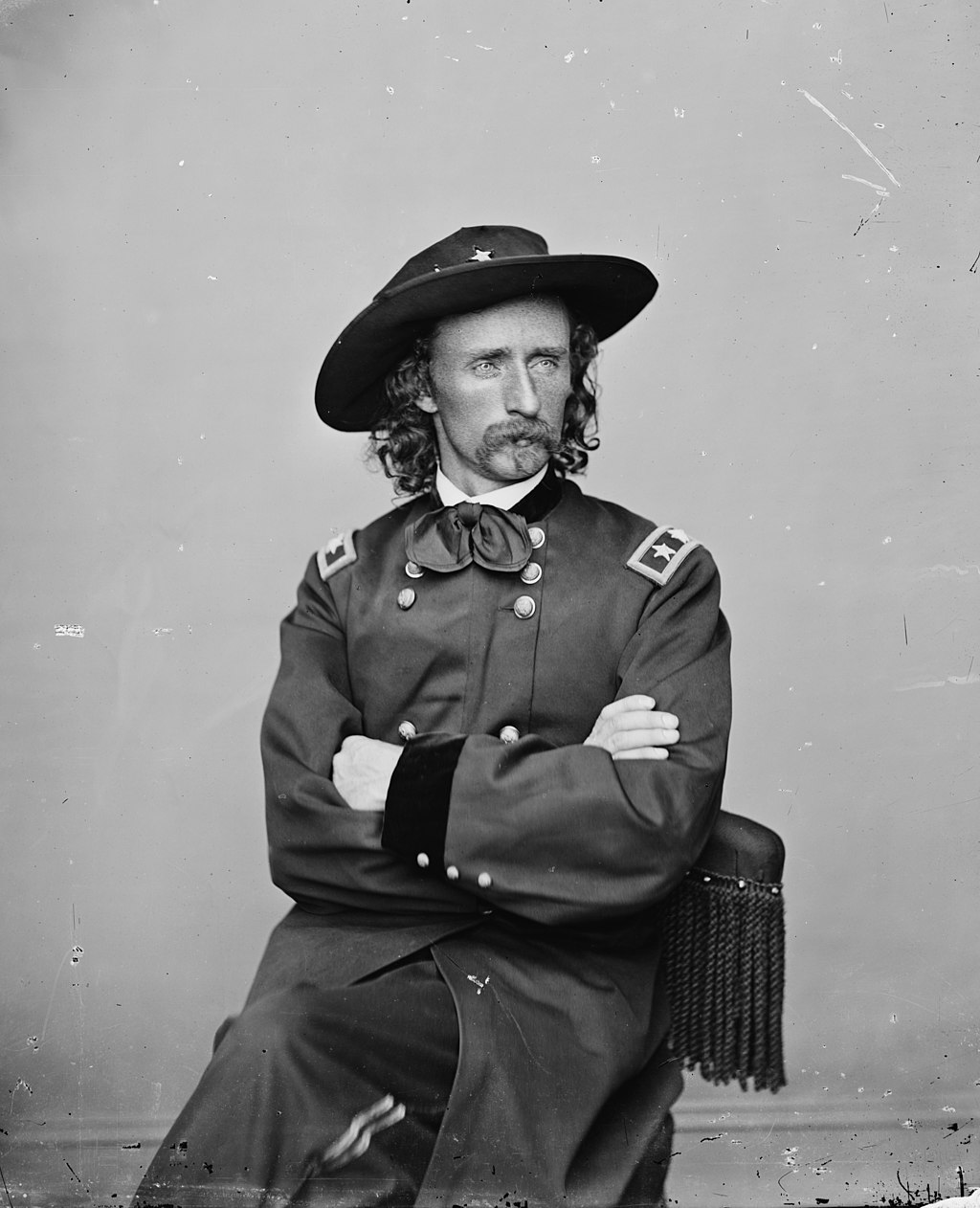
The Battle of the Little Bighorn, also known as the Battle of the Greasy Grass by the Lakota and frequently referred to as Custer’s Last Stand, marked a pivotal moment in American history. Fought on June 25-26, 1876, in the Montana Territory, this confrontation saw the forces of the Lakota Sioux, Northern Cheyenne, and Arapaho tribes decisively defeat the U.S. 7th Cavalry Regiment, led by Lieutenant Colonel George Armstrong Custer. The battle, deeply embedded in the mythology of the American West, remains one of the most famous and controversial clashes between Native American tribes and the United States military.
Background and Causes
The U.S. government’s expansionist policies sought to confine Native Americans to designated reservations, stripping them of their traditional way of life. Tensions between Native American tribes and the U.S. government reached a critical point by the mid-19th century. The discovery of gold in the Black Hills in the early 1870s further escalated these tensions, as thousands of prospectors flooded into land that had been promised to the Sioux under the Treaty of Fort Laramie in 1868.
The influx of settlers and miners was met with fierce resistance from Sioux and Cheyenne warriors who refused to abandon their lands. Under the leadership of prominent figures such as Sitting Bull and Crazy Horse, the tribes rejected U.S. government ultimatums demanding that they relocate to reservations. Instead, they formed a large, unified resistance force, determined to defend their ancestral homeland.

The Battle Unfolds
Custer, known for his bold and often reckless tactics, was tasked with leading the 7th Cavalry to suppress Native resistance in the region. Confident in his ability to secure a swift victory, he underestimated both the size of the Native American force and their determination to fight back. Instead of waiting for reinforcements, he divided his regiment into three battalions, a move that left his forces vulnerable to attack.
On June 25, 1876, Custer and his men approached a sprawling Native encampment along the Little Bighorn River. Expecting to encounter a much smaller opposition, Custer launched an attack without realizing that thousands of Lakota, Cheyenne, and Arapaho warriors were ready to defend their families. As his troops charged, they were met with an overwhelming counterattack led by Sitting Bull, Crazy Horse, and Gall. The Native warriors, many of them experienced fighters who had spent their lives defending their way of life, encircled and systematically overpowered Custer’s battalion.
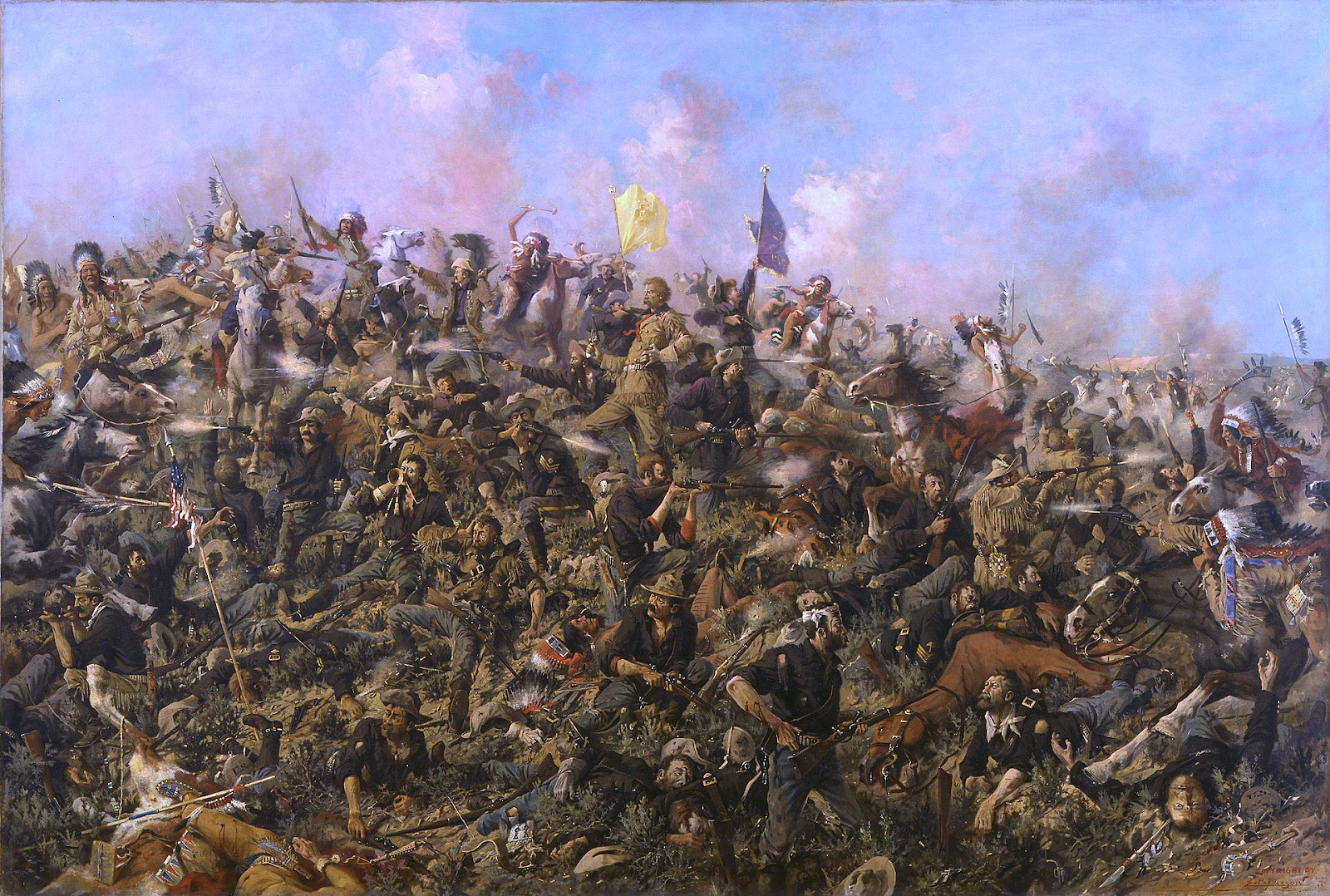
The battle turned into a desperate and chaotic fight for survival. Custer and his approximately 210 soldiers were quickly surrounded, their positions overrun by the sheer number of Native warriors. Exhausted and outmatched, the soldiers made their final stand on a small hill, fighting valiantly until their last breath. Within hours, the U.S. forces were overcome, and Custer himself was killed, his body later found among his fallen men.
Discovery of the Battlefield and Treatment of the Wounded
Following the devastating defeat, Major Marcus Reno and Captain Frederick Benteen, who had been engaged in a separate fight nearby, discovered the remains of Custer and his men on June 27. They encountered a grim and harrowing scene—bodies strewn across the battlefield, many of them stripped of their uniforms and bearing signs of post-mortem mutilation, a practice rooted in Native American warfare traditions.
Reno’s forces, having held a defensive position on a hilltop during the battle, had suffered heavy casualties as well. The wounded survivors of the engagement, many suffering from gunshot wounds and exposure, were treated as best as possible under dire conditions. Lacking proper medical supplies, the army doctors and troopers resorted to makeshift methods, using torn clothing as bandages and whiskey as an anesthetic.
The sight of the battlefield deeply affected Reno, Benteen, and their men. As reinforcements arrived, the dead were hastily buried in shallow graves, though many would later be reinterred in official cemeteries. The discovery of the battlefield only reinforced the magnitude of the defeat and the harsh reality of the U.S. Army’s underestimation of the Native American forces.
Aftermath and Legacy
For the Native American tribes, the victory at the Little Bighorn was a moment of triumph—a hard-fought defense of their land and their way of life. The battle demonstrated the strength and unity of the Plains tribes in the face of external threats. However, their success was short-lived. The U.S. government, shocked and humiliated by the defeat, responded with intensified military campaigns that would ultimately force the Sioux and Cheyenne onto reservations within a few years.
Custer’s Last Stand became a legend in American history, immortalized in books, paintings, and popular culture. Some viewed Custer as a heroic martyr who fought bravely against insurmountable odds, while others criticized his arrogance and tactical errors that led to his downfall. For Native Americans, the battle remains a symbol of resistance and serves as a testament to the courage of individuals who fought to protect their land and culture.
Conclusion

The Battle of the Little Bighorn is a defining moment in the history of the American West, a clash between two vastly different worlds—one seeking expansion, the other fighting for survival. While the Native American forces won the battle, the war for their land and way of life would soon be lost. Today, the site of the battle is preserved as the Little Bighorn Battlefield National Monument, serving as a solemn reminder of the sacrifices made by both sides. The story of Custer’s Last Stand continues to captivate and educate, shedding light on a chapter of history that still resonates in the American consciousness.