

Daniel K. Inouye: Service, Sacrifice, and the Long Arc of Justice
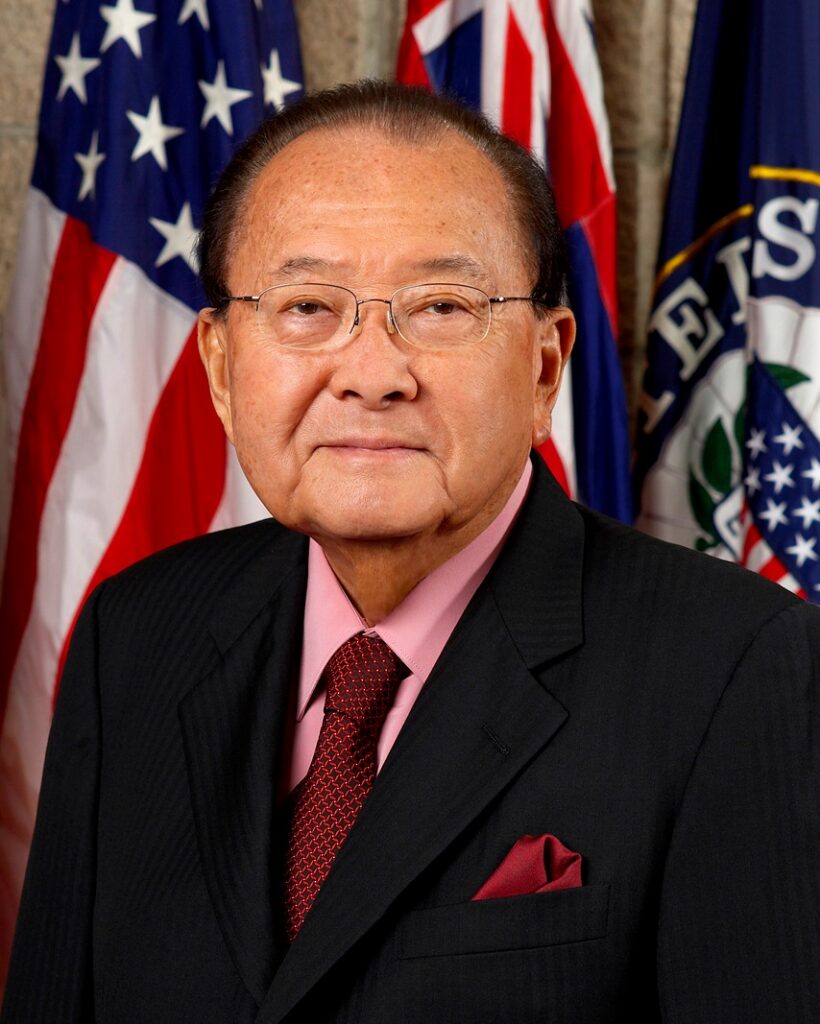
Daniel Ken Inouye was born in Honolulu in 1924, the son of Japanese immigrants. His youth was shaped by the rhythm of working‑class Hawai‘i — and by the expectations placed on second‑generation Americans to prove their loyalty.
After the attack on Pearl Harbor, Japanese Americans across the mainland were incarcerated in camps. Though Hawai‘i did not experience mass incarceration, suspicion and discrimination were widespread. Yet Inouye, like many young Japanese Americans, volunteered to serve in the U.S. military — at a moment when his community’s loyalty was openly questioned.¹
Extraordinary Valor in World War II
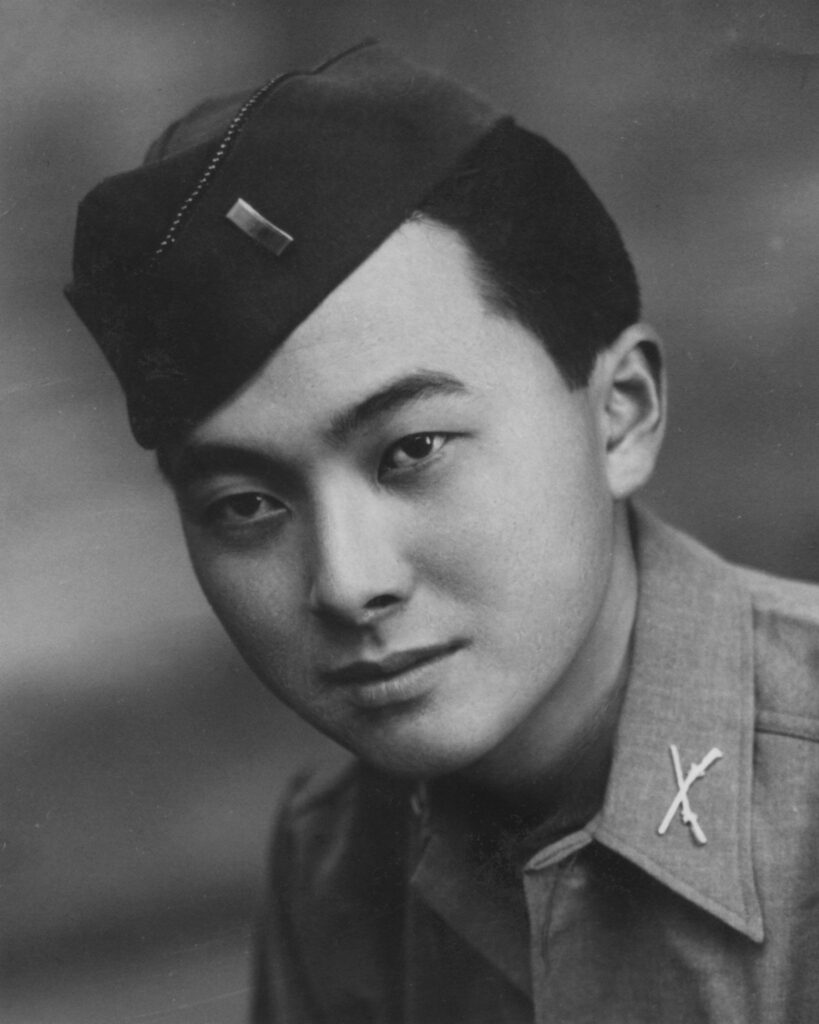
Inouye joined the 442nd Regimental Combat Team, a segregated unit composed largely of Japanese American soldiers. Fighting in Europe, the 442nd became one of the most decorated units in U.S. military history.
In April 1945, during combat in Italy, Inouye led an assault on a German defensive position. Despite being grievously wounded and losing his right arm to a grenade, he continued to command his platoon, ensuring mission success before accepting medical aid.¹ ³
Decades later, his actions were recognized with the Medal of Honor, the nation’s highest military decoration.
From War to Public Service
After the war, Inouye returned home determined to continue serving — this time through democratic institutions. He pursued a career in public service, becoming deeply involved in the movement for Hawai‘i statehood and working to ensure the islands’ full representation in Congress.¹ ⁴
In 1959, he was elected to the U.S. House of Representatives on the same day Hawai‘i officially became a state. He later moved to the U.S. Senate, where he would serve for nearly five decades.
A Guardian of Democratic Institutions
Daniel Inouye’s Senate career was defined by respect for institutions and constitutional processes. He championed veterans’ care, civil rights protections, and government accountability. Notably, during moments of national crisis — including investigations into executive power — Inouye emphasized the importance of oversight and rule of law over partisan loyalty.¹
His approach reflected a deep belief in democratic continuity: that institutions survive when leaders place principle above power.

Historic Leadership
In 2010, Inouye became President pro tempore of the U.S. Senate, making him the highest‑ranking Asian American official in federal government history at the time.¹ This role — third in the presidential line of succession — symbolized how far both he and the nation had come.
Yet Inouye never framed his achievements as personal triumphs. He consistently credited the sacrifices of others — especially fellow veterans and marginalized communities — for making his career possible.
What Daniel K. Inouye Teaches Us
Daniel Inouye believed democracy required endurance, humility, and moral courage. His life offers enduring lessons:
- Loyalty to democratic ideals transcends moments of injustice
- Institutions matter — and must be protected
- Civic sacrifice creates long‑lasting public trust
Inouye’s legacy reminds us that democracy is strengthened not by perfection, but by persistent commitment to justice over time.
