

The Grand Canyon: How It Became a National Treasure
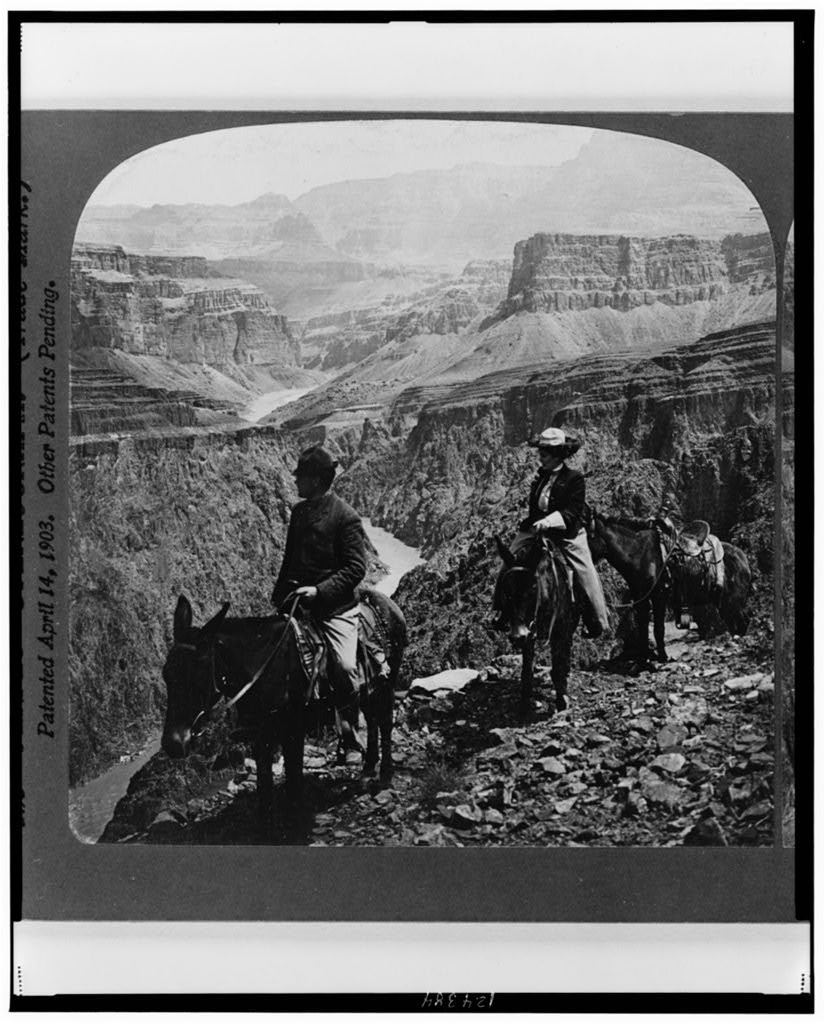
On January 11, 1908, President Theodore Roosevelt took steps to protect one of the most awe-inspiring landscapes on Earth and to enact a law that would shape the future of conservation in the United States. With a presidential proclamation, the Grand Canyon became a national monument—protected not just for that generation, but for all who would follow.
Today, millions of visitors from around the world gaze into its vast expanse, marveling at layered rock walls carved by time and water. Yet the Grand Canyon’s journey from natural wonder to protected national treasure is also a civic story—one that reveals how government authority, public advocacy, and the rule of law intersect to preserve shared heritage.
A Landscape Millions of Years in the Making
The Grand Canyon, carved primarily by the Colorado River over millions of years, stretches 277 miles long, up to 18 miles wide, and more than a mile deep. Long before European settlers arrived, Indigenous peoples—including the Hopi, Havasupai, Hualapai, Navajo, and Paiute—lived in and around the canyon, forming deep cultural and spiritual connections to the land that continue to this day.
In the late 1800s, as railroads expanded westward, the canyon became increasingly accessible to tourists, prospectors, and developers. While visitors were awed by its beauty, others saw opportunity for mining, private development, and commercial exploitation. Without legal protections, the canyon was vulnerable.

Theodore Roosevelt and the Power of Preservation

Few leaders shaped America’s conservation movement more than President Theodore Roosevelt. An avid outdoorsman, Roosevelt believed that natural landscapes were part of the nation’s shared inheritance—not commodities to be consumed by a few.
During a visit to the Grand Canyon in 1903, Roosevelt famously urged Americans to protect it, saying:
“Leave it as it is. You cannot improve on it. The ages have been at work on it, and man can only mar it.”
Five years later, Roosevelt acted. On January 11, 1908, he used the Antiquities Act of 1906 to designate the Grand Canyon as a national monument. The law, passed by Congress, authorized presidents to protect significant natural, cultural, and scientific features on federal land—an example of how legislative and executive powers can work together to serve the public good.
Why Monument Status Mattered
The national monument designation immediately restricted mining and private claims, preserving over 800,000 acres. While the move was controversial at the time—some local interests challenged the federal government’s authority—it ultimately stood firm. In 1920, the U.S. Supreme Court upheld Roosevelt’s action, reinforcing the federal government’s ability to protect public lands.
This legal precedent strengthened conservation efforts nationwide and demonstrated how civic structures—laws, courts, and executive authority—can safeguard shared resources when public interests are at stake.
In 1919, Congress elevated the Grand Canyon to national park status, further cementing its protection and ensuring long-term stewardship through the National Park Service.
A Living Lesson in Civics
The Grand Canyon’s preservation is not just a story of nature—it is a lesson in civic responsibility. It highlights:
- The role of Congress in passing laws like the Antiquities Act
- Presidential authority in executing those laws
- Judicial review in resolving disputes
- Public engagement in shaping national priorities
Together, these elements demonstrate how American civics operates beyond textbooks—shaping real places and real outcomes.
Why the Grand Canyon Still Matters Today
More than a century after its designation as a national monument, the Grand Canyon continues to inspire debate about land use, environmental protection, and the balance between development and preservation. These conversations mirror broader civic questions facing the nation today: Who decides how public resources are used? How do laws evolve to meet new challenges? What responsibilities do citizens share in protecting the common good?

Exploring More
Whether viewed from the South Rim, studied in a classroom, or explored through history, the Grand Canyon stands as a testament to what thoughtful civic action can achieve. Its story reminds us that preserving what matters often requires informed leadership, public accountability, and a shared commitment to the future.