

John F. Kennedy: The Man, The Myth, The Legacy
Few figures in American history have captured the public’s imagination quite like John F. Kennedy. His presidency, though tragically brief, remains one of the most mythologized in U.S. history. Young, charismatic, and eloquent, he embodied the spirit of a new generation—one that dreamed of space exploration, civil rights, and a more ambitious future. But beneath the glamour and idealism, Kennedy’s time in office was marked by high-stakes Cold War conflicts, political struggles, and personal complexities. His story is not just about a president—it’s about an era of transformation, ambition, and unfinished potential.
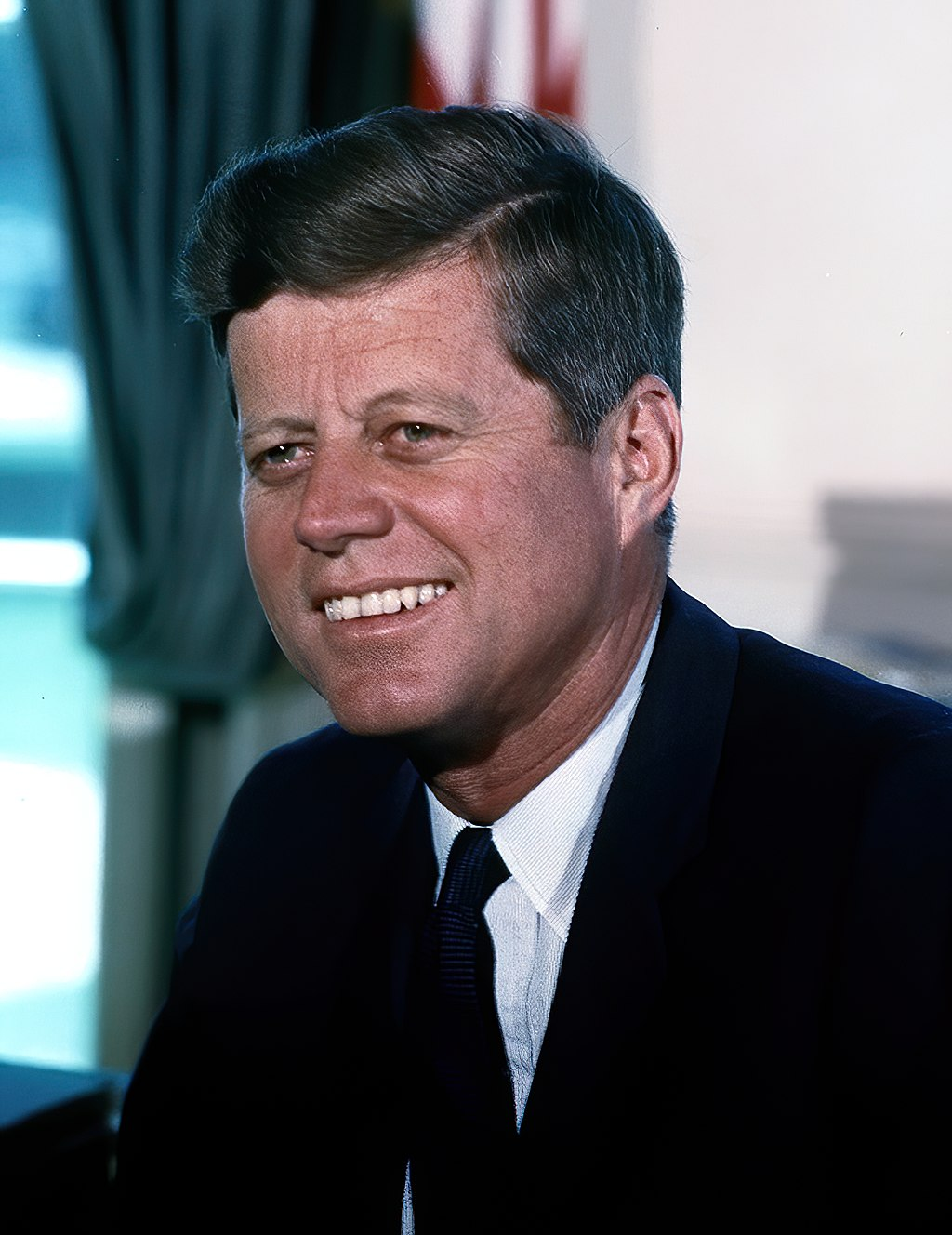
A Privileged Upbringing and a Call to Service
John Fitzgerald Kennedy was born on May 29, 1917, into one of the most powerful families in America. His father, Joseph P. Kennedy Sr., was a wealthy businessman and political operator who dreamed of building a dynasty. His mother, Rose Kennedy, was deeply religious and emphasized public service and social status.
The Kennedys were a fiercely competitive family, and from a young age, John, known as “Jack” to friends and family, was pushed to excel. His older brother, Joseph Kennedy Jr., was expected to become president one day, while John was considered more carefree and less disciplined.
Despite his privileged background, Jack’s childhood was fraught with illness. He suffered from chronic health problems, including what was later diagnosed as Addison’s disease—a serious disorder affecting the adrenal glands. His battles with pain and sickness instilled in him a resilience that would define his later years.
Military Service and a Defining Moment
During World War II, Kennedy enlisted in the U.S. Navy, eager to prove himself. He was assigned command of PT-109, a patrol torpedo boat in the Pacific. In August 1943, a Japanese destroyer struck his boat, splitting it in half.

Kennedy and his surviving crew swam miles to a nearby island. Despite his own severe injuries, Kennedy towed an injured sailor through the water by gripping a life jacket strap with his teeth. They were eventually rescued, and Kennedy was awarded the Navy and Marine Corps Medal for his heroism.
This moment would later be used to shape his public image as a courageous war hero, but privately, Kennedy felt the weight of survivor’s guilt, something that stayed with him throughout his life.
The Rise of a Political Star
After the war, John’s older brother Joe was killed in action, and suddenly, the Kennedy family’s presidential ambitions were placed on Jack’s shoulders.
Kennedy entered politics in 1946, running for Congress in Massachusetts. With his father’s financial backing and the family’s powerful political connections, he won. In 1952, he ran for a U.S. Senate seat, defeating the well-established Henry Cabot Lodge Jr.—a major victory that signaled his rising national influence.
Profiles in Courage and National Recognition
In 1956, Kennedy published Profiles in Courage, a book about U.S. senators who took unpopular but morally strong positions. The book won the Pulitzer Prize, further elevating his status as a thought leader and intellectual.
By 1960, Kennedy was ready for the next step: the presidency.
The 1960 Election: A New Generation Takes Charge
Kennedy’s presidential campaign faced multiple hurdles. He was young, relatively inexperienced, and—most controversially—the first major Catholic candidate for president. Many feared that a Catholic president would take orders from the Pope rather than uphold American democratic values.
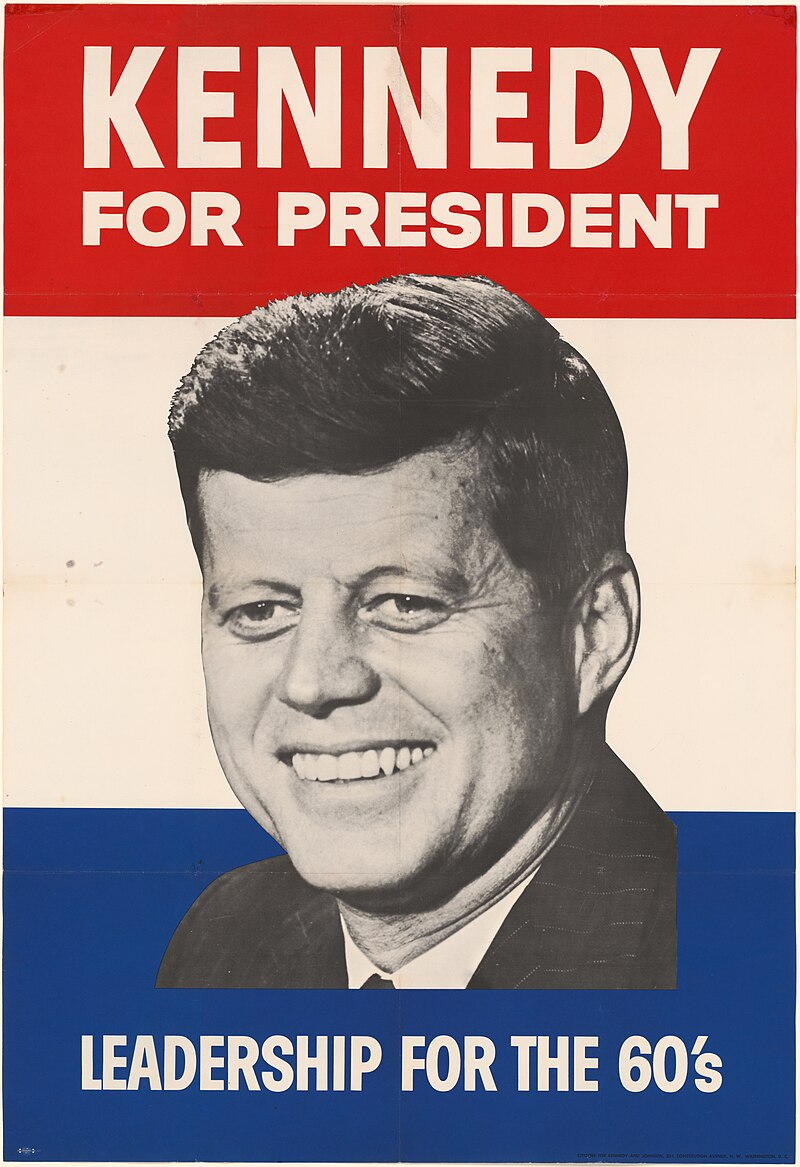
His opponent, Vice President Richard Nixon, was experienced and seen as a Cold War warrior. The campaign was close, but it turned in Kennedy’s favor thanks to the first-ever televised presidential debates.
The Power of Television
During the first debate, Kennedy looked confident and composed, while Nixon appeared pale and visibly sweating under the harsh lights. Those who watched on TV overwhelmingly thought Kennedy won, while those who listened on the radio leaned toward Nixon. This moment changed political campaigning forever, proving that image mattered as much as substance.
On November 8, 1960, Kennedy won by one of the narrowest margins in U.S. history. At 43 years old, he became the youngest elected president and the first Catholic to hold the office.
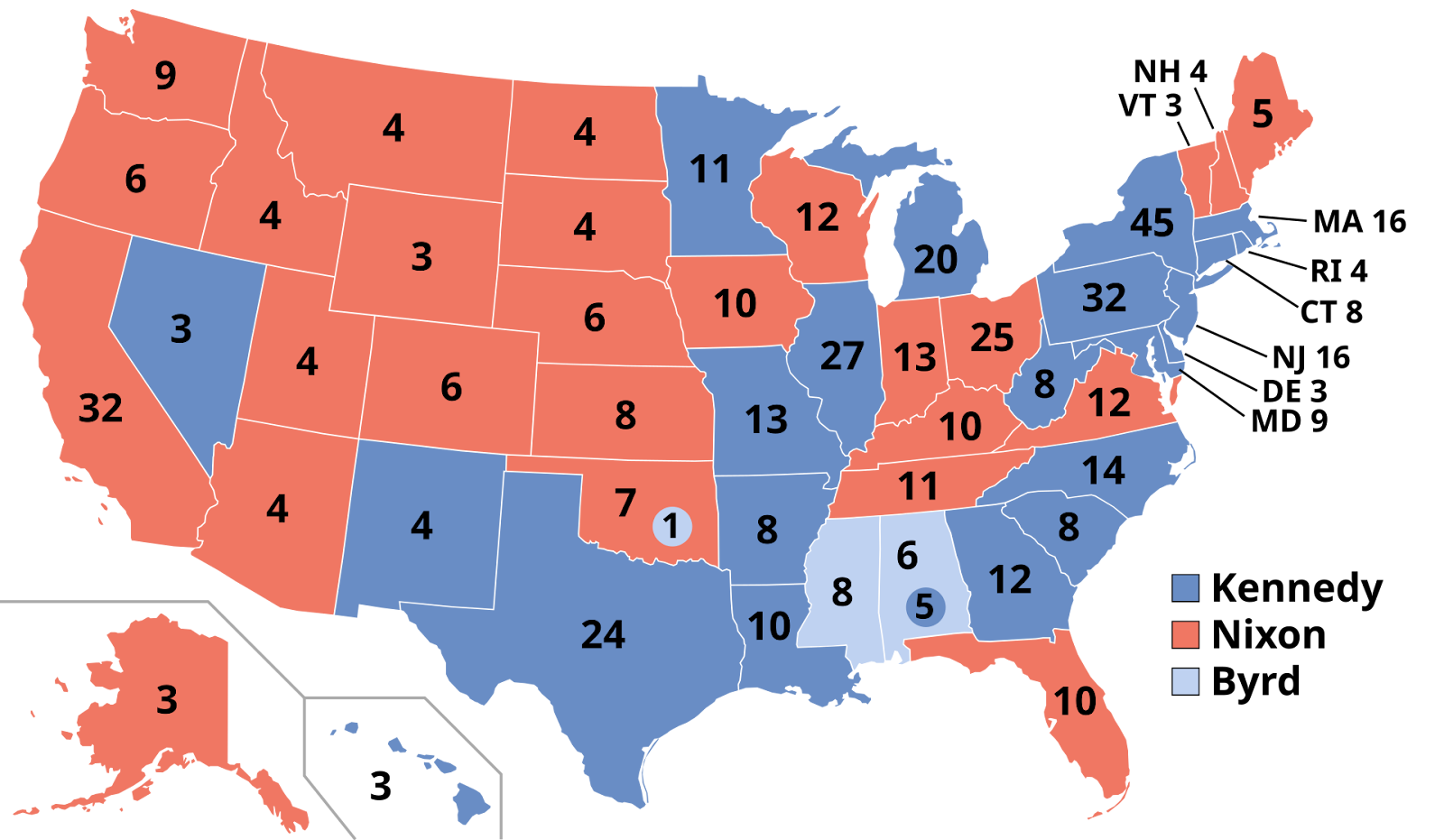
His inaugural address set the tone for his presidency, including one of the most famous lines in American history:
“Ask not what your country can do for you—ask what you can do for your country.”
The Kennedy Presidency: A Mix of Idealism and Crisis
Cold War tensions dominated Kennedy’s presidency.
- Bay of Pigs (1961): A failed CIA-backed invasion of Cuba that embarrassed the administration and strengthened Fidel Castro’s ties with the Soviet Union.
- Cuban Missile Crisis (1962): The closest the world has ever come to nuclear war. Kennedy imposed a blockade on Cuba, forcing the Soviets to remove nuclear missiles from the island. His firm yet measured response is considered one of the greatest acts of statesmanship in modern history.
The Space Race and the Moon Mission
Kennedy set the national goal of landing a man on the moon before the end of the decade. His speech at Rice University in 1962 inspired the country.
“We choose to go to the Moon, not because it is easy, but because it is hard.”
Though he wouldn’t live to see it, his vision culminated in the 1969 Apollo 11 moon landing.
The Assassination That Shook the World
On November 22, 1963, Kennedy was assassinated while riding in a motorcade in Dallas, Texas. Lee Harvey Oswald was arrested for the crime, but his own assassination two days later fueled endless conspiracy theories.
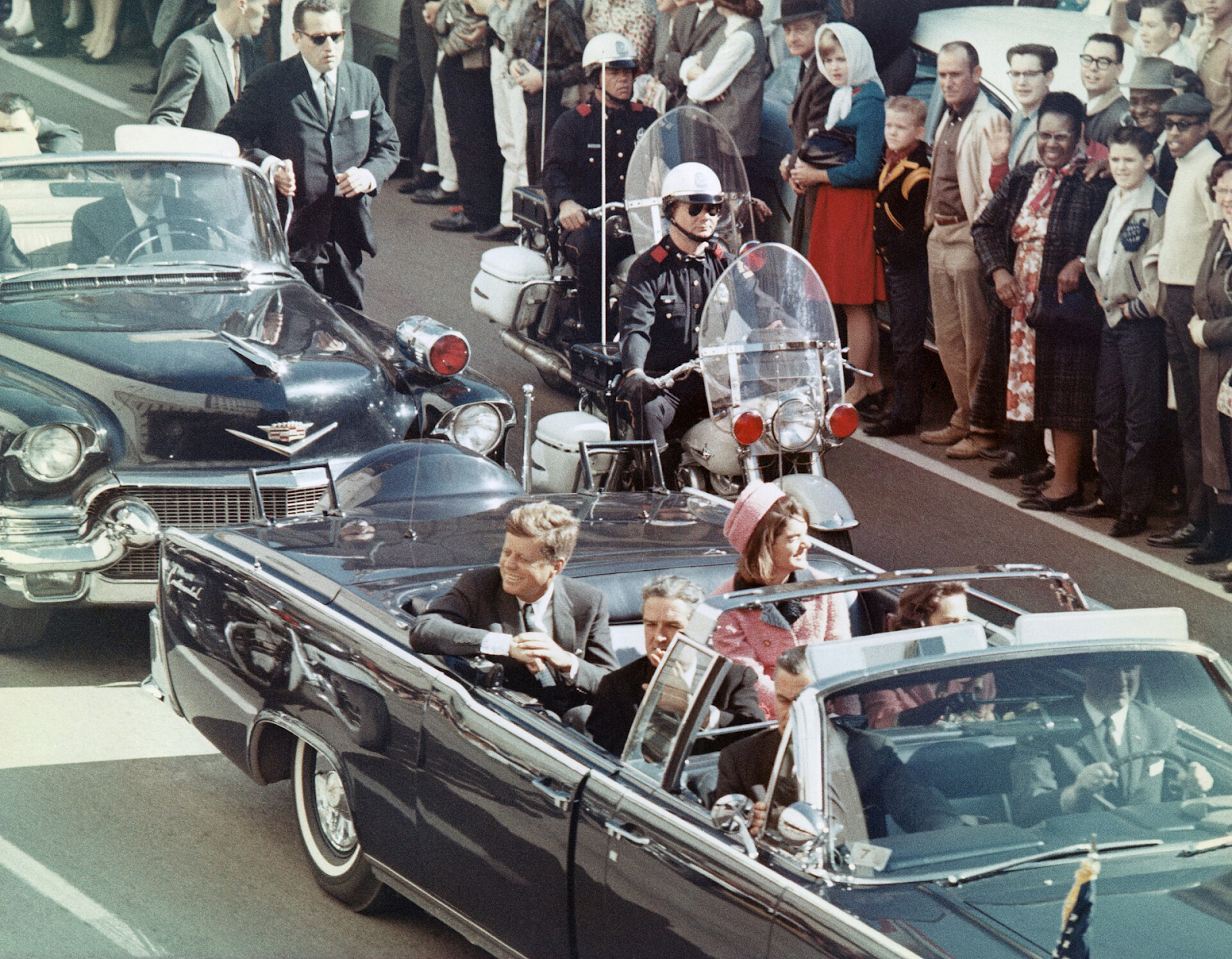
The image of Jackie Kennedy in her bloodstained pink suit and John F. Kennedy Jr. saluting his father’s casket became symbols of national grief.
Legacy: The President Who Never Grew Old
John F. Kennedy’s time in office was brief—just 1,036 days—but the impact he left behind stretched far beyond his years. His bold vision for the nation touched everything from the race to the moon to the battle for civil rights and the call to public service. He challenged Americans to think bigger and do more, and that spirit continues to echo through generations.
Part of what makes Kennedy’s legacy so powerful is the mythology that surrounds it. The idea of “Camelot”—a youthful, energetic moment of idealism and possibility—was cemented in the public imagination after his sudden and tragic death. That moment froze him in time, forever young, forever full of promise.
Yet Kennedy was not without his shortcomings. His presidency included personal failings, political missteps, and a complicated record on civil rights. Still, these realities have not erased the way many people remember him: as a symbol of hope, renewal, and the enduring ambition of the American spirit.