

Manuel Luján Jr.: First Hispanic Secretary of the Interior
Manuel Luján Jr. was born on May 12, 1928, in San Ildefonso Pueblo, New Mexico, and grew up in nearby Santa Fe. His family was deeply rooted in New Mexico’s history. His father, Manuel Luján Sr., had served as mayor of Santa Fe, and the family’s heritage reflected centuries of Hispanic presence in the region dating back to the Spanish colonial period.

Luján was raised in a bilingual environment where Spanish and English were spoken interchangeably, and where local traditions blended influences from Indigenous, Hispanic, and Anglo cultures. The cultural richness of his upbringing would remain a constant touchstone throughout his life.
Education and Early Career
Luján attended local schools in Santa Fe before enrolling at the College of Santa Fe and later transferring to St. Michael’s College. After earning his degree, he began working in the insurance business, eventually establishing his own agency. His professional work connected him to small businesses, ranchers, and families throughout northern New Mexico, giving him firsthand knowledge of the economic concerns and aspirations of his community.
He also became active in civic organizations, serving on boards and participating in local causes. This early involvement in community affairs laid the foundation for his later political career.
Entering National Politics
In 1968, Luján was elected to represent New Mexico’s 1st Congressional District in the U.S. House of Representatives. The district covered much of northern New Mexico, including the city of Albuquerque and rural areas where agriculture, tourism, and cultural preservation were central concerns.
When Luján arrived in Washington in 1969, he joined a Congress grappling with the Vietnam War, civil rights legislation, and economic change. He quickly established himself as a pragmatic legislator who focused on the specific needs of his state while participating in national debates.
Two Decades in the House of Representatives
Luján served ten consecutive terms in the House, from 1969 to 1989. His legislative work often centered on issues critical to New Mexico, including water rights, land management, Native American affairs, and economic development in rural areas.
He was known for his ability to work across party lines, building relationships that allowed him to advance legislation important to his constituents. Luján also paid close attention to military installations and research facilities in New Mexico, understanding their economic importance to the state.
Throughout his years in Congress, he maintained a strong presence at home, traveling frequently to meet with community leaders, attend local events, and stay informed about the concerns of the people he represented.
Secretary of the Interior
In 1989, President George H. W. Bush appointed Manuel Luján Jr. as the 46th Secretary of the Interior. In this role, he oversaw the vast public lands of the United States, managed relations with Native American tribes through the Bureau of Indian Affairs, and addressed environmental and conservation issues.
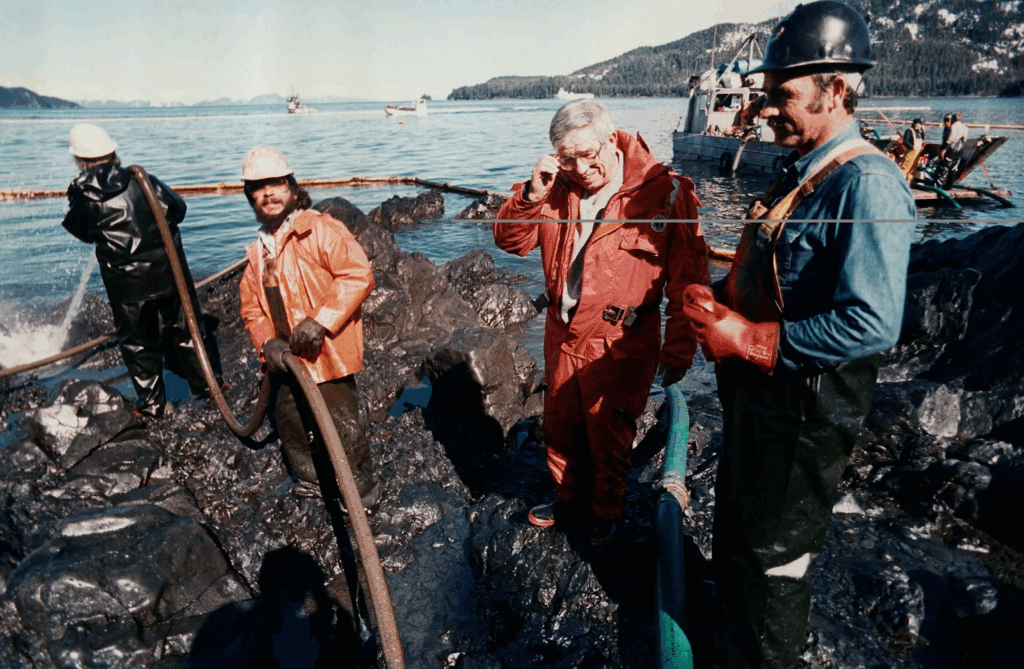
During his tenure, Luján addressed issues of land use, endangered species protection, and the balance between development and preservation. He approached the job with a perspective shaped by his New Mexico roots, where land, water, and cultural heritage were deeply interconnected.
Leadership Style and Public Engagement
Luján’s leadership style was steady and personable. He preferred face-to-face dialogue, whether meeting with tribal leaders, park rangers, or members of Congress. His bilingual skills and cultural fluency made him an effective communicator in diverse settings.
He often emphasized the importance of balancing economic needs with the stewardship of natural resources, a viewpoint informed by his years representing a state where tourism, energy, and agriculture all depended on the health of the land.
Life After Public Office
After leaving the Interior Department in 1993, Luján returned to New Mexico and remained active in public life. He participated in civic events, supported educational initiatives, and offered guidance to younger political leaders. His decades of service had made him a respected figure in the state, remembered for his accessibility and his willingness to listen to constituents from all walks of life.
Legacy
Manuel Luján Jr. passed away on April 25, 2019, at the age of ninety. His career spanned local business ownership, twenty years in Congress, and four years in the presidential cabinet. For many New Mexicans, he symbolized a bridge between local traditions and national policymaking.
His life’s work reflected a commitment to representing his state’s unique cultural heritage while navigating the complex demands of federal governance. From the streets of Santa Fe to the halls of the U.S. Capitol and the Department of the Interior, Manuel Luján Jr. carried with him the values of service, dialogue, and respect for the land and people of New Mexico.