

Memorial Day: The History of America’s Day of Remembrance
For many Americans, Memorial Day marks the unofficial beginning of summer — a long weekend filled with cookouts, travel, and gatherings with family and friends. But at its heart, Memorial Day is one of the nation’s most solemn civic observances: a day dedicated to honoring the men and women who died while serving in the United States military.
The holiday’s origins stretch back more than 150 years to the aftermath of the Civil War, when communities across the country struggled to process immense national loss. What began as local acts of remembrance eventually grew into a national tradition rooted in memory, sacrifice, and civic responsibility.1
A Nation in Mourning After the Civil War
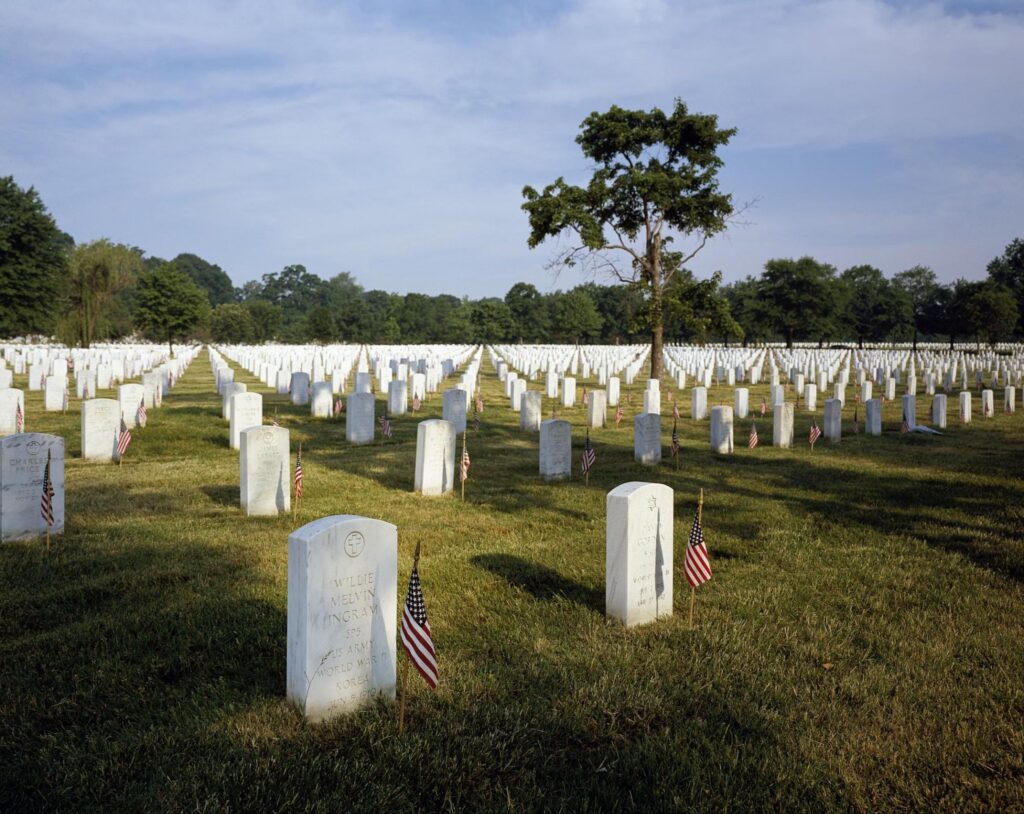
Memorial Day emerged in the years following the Civil War, the deadliest conflict in American history. Historians estimate that between 600,000 and 800,000 soldiers died during the war, leaving nearly every American community touched by grief.1 Families searched for ways to honor loved ones lost on battlefields far from home, while towns and cities created public ceremonies to remember the fallen.
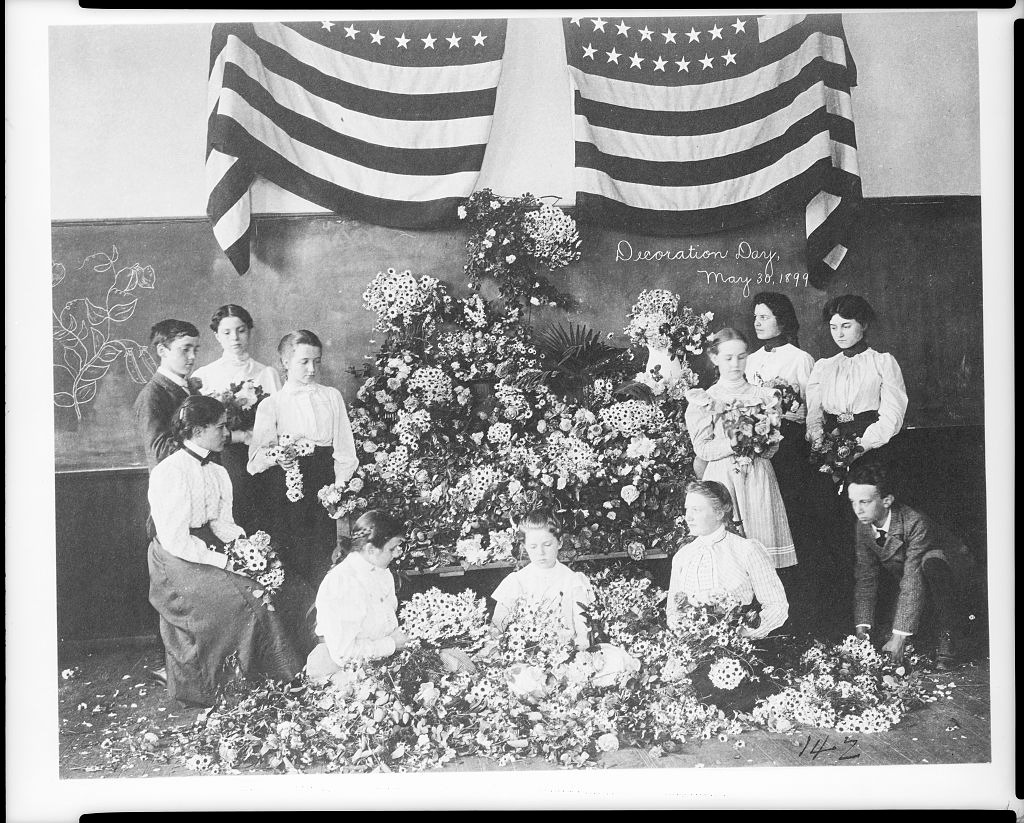
In many places, people decorated soldiers’ graves with flowers, wreaths, and flags. These observances became known as “Decoration Day.” Over time, communities across both the North and South developed their own traditions of remembrance.2
One of the earliest known Memorial Day commemorations took place in Charleston, South Carolina, in May 1865. Recently freed African Americans organized a procession to honor Union soldiers who had died in a Confederate prison camp and were buried in unmarked graves. Participants reburied the soldiers with dignity, decorated the graves with flowers, and held a public ceremony remembering their sacrifice. Historians today recognize the event as one of the earliest large-scale Memorial Day observances in the United States.3
The Creation of Decoration Day
In 1868, General John A. Logan, leader of the Grand Army of the Republic — a Union veterans organization — called for a national day of remembrance on May 30. He encouraged Americans to decorate the graves of Civil War soldiers with flowers and participate in ceremonies honoring the dead.1
The first major national observance took place that same year at Arlington National Cemetery. Thousands of participants, including veterans and families of fallen soldiers, decorated graves and attended memorial services. The ceremony helped establish Decoration Day as a growing national tradition.1,4
The date of May 30 was chosen in part because flowers would be blooming across much of the country, making it easier for communities to decorate cemeteries and memorial sites.2
From Decoration Day to Memorial Day
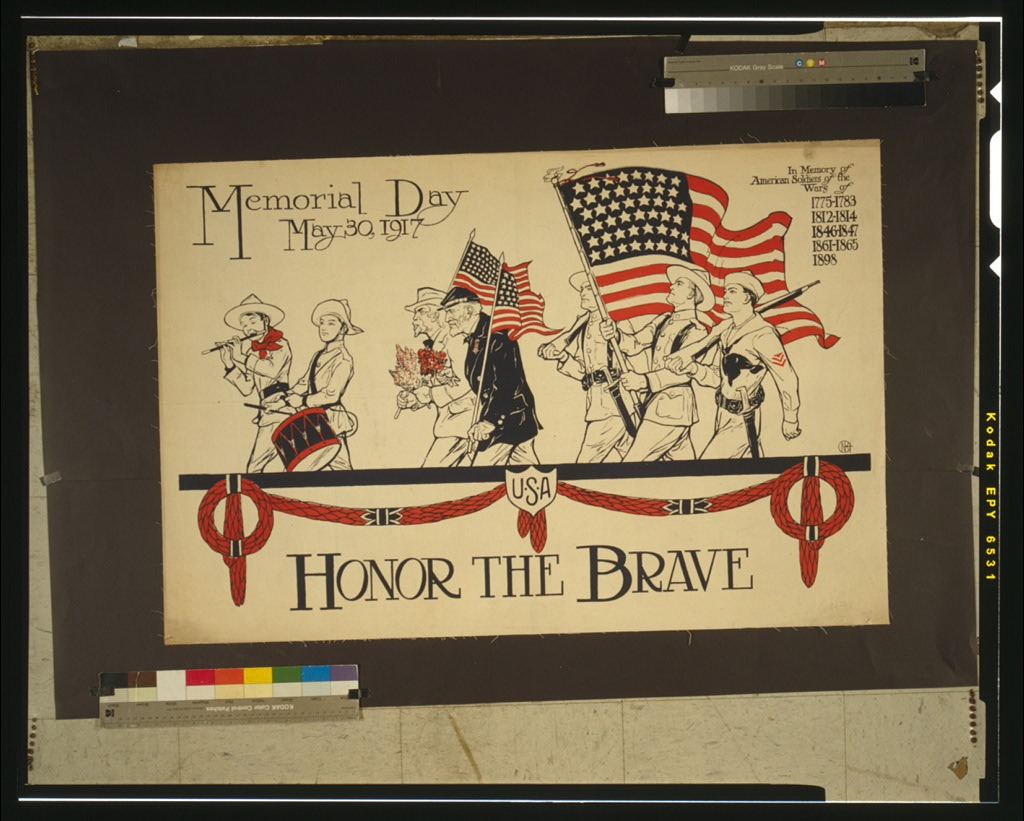
For decades, Decoration Day primarily honored those who died in the Civil War. After World War I, however, Americans began expanding the observance to recognize military personnel who died in all wars and conflicts involving the United States.1
During the twentieth century, the name “Memorial Day” gradually became more widely used. In 1971, Congress officially declared Memorial Day a federal holiday and established its observance on the last Monday in May through the Uniform Monday Holiday Act.1, 4
Today, Americans commemorate Memorial Day through traditions such as:
- Visiting cemeteries and memorials
- Placing flags on graves
- Participating in parades and remembrance ceremonies
- Flying the American flag at half-staff until noon
- Observing the National Moment of Remembrance at 3 p.m. local time4
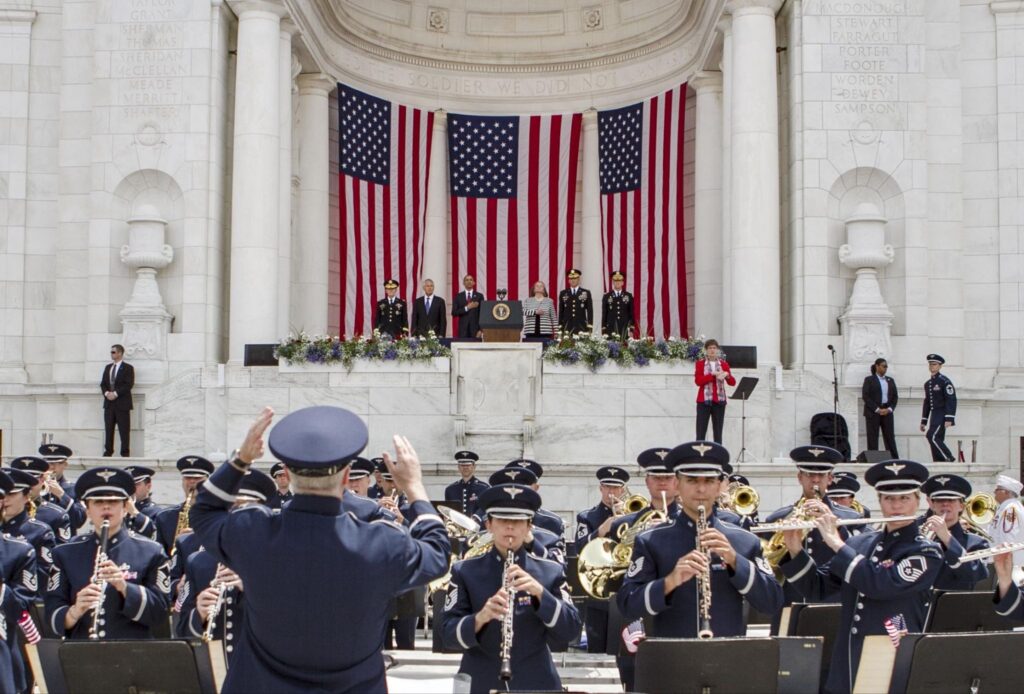
National observances, including the annual National Memorial Day Concert broadcast by PBS, continue to share stories of service, sacrifice, and remembrance with audiences across the country.1
How the Holiday Has Changed
Over time, Memorial Day evolved into both a day of remembrance and a major cultural holiday weekend. For many Americans, it now includes travel, sporting events, family gatherings, and the unofficial start of summer activities.
Some historians and veterans organizations have expressed concern that the holiday’s original meaning can sometimes be overshadowed by commercialism or recreation. Yet communities across the nation continue longstanding traditions that preserve the holiday’s deeper purpose.2, 4
In towns and cities across America, volunteers place flags at cemeteries, schools teach lessons about military sacrifice, and local organizations host ceremonies honoring fallen service members. These acts of remembrance help connect younger generations to the nation’s history and civic traditions.
Memorial Day has also become a time to recognize the enduring sacrifices of military families, Gold Star families, and communities affected by war long after conflicts end.1
Why Memorial Day Matters to Civic Life
Memorial Day is more than a military observance — it is also a civic tradition that reflects how Americans remember shared sacrifice and national service.
Public acts of remembrance play an important role in democratic societies. They preserve historical memory, encourage civic participation, and remind citizens that freedom and constitutional government have often come at great personal cost.
Justice Sandra Day O’Connor frequently emphasized that democracy depends on informed and engaged citizens. Memorial Day reflects those same civic values by encouraging Americans to learn about history, participate in community traditions, and honor those who served the nation.
The holiday also reminds Americans that civic life is built not only through laws and institutions, but through shared acts of memory and gratitude. When communities gather to honor the fallen, they reinforce bonds that connect generations through common history and civic responsibility.
A Day to Remember
More than 150 years after the first Decoration Day ceremonies, Memorial Day remains one of America’s most enduring national observances. Though traditions and celebrations have evolved, the holiday’s central purpose remains unchanged: to remember those who gave their lives in service to the country.
In cemeteries, memorials, parades, and moments of silence across the United States, Memorial Day continues to unite remembrance with civic reflection — honoring sacrifice while reminding each generation of the responsibilities that come with citizenship.