

The California Gold Rush Begins

On January 24, 1848, a carpenter named James Wilson Marshall noticed something glittering in the cold waters of the American River near Coloma, California. What he found that morning was not just a few flakes of gold—it was the spark that would ignite one of the most transformative chapters in American history: the California Gold Rush.
At the time, California was a distant frontier, newly acquired by the United States and lightly populated by Native communities, Mexican settlers, and a small number of American migrants. Within just a few years, that would change dramatically. The discovery of gold triggered mass migration, economic upheaval, and legal challenges that would shape the nation for generations.
A Chance Discovery That Changed Everything
James Marshall was working on a sawmill for John Sutter when he spotted gold in the riverbed. At first, the discovery was kept quiet. Sutter worried—correctly—that a gold rush would disrupt his business and lead to lawlessness. But news travels fast, especially when fortune is involved.
By mid-1848, word had spread throughout California. By 1849, the news reached the East Coast and beyond, carried by newspapers, letters, and returning sailors. Thousands of hopeful prospectors—soon known as the “Forty-Niners”—set out for California by land and sea, chasing the promise of sudden wealth.

Who Were the Forty-Niners?
The Gold Rush attracted people from every walk of life. Farmers left their fields. Merchants closed their shops. Immigrants arrived from Latin America, Europe, and Asia. Free Black Americans came west seeking opportunity, even as discrimination followed them. Women ran boardinghouses and businesses, sometimes earning more than miners.
This diversity reshaped California into one of the most culturally complex regions in the country. Yet opportunity was uneven. Indigenous peoples were displaced from their lands, subjected to violence, and denied legal protections. Many immigrant miners faced discriminatory taxes and laws designed to push them out of profitable claims.
Boomtowns, Busts, and Broken Rules
The sudden population explosion overwhelmed any existing systems of governance. Mining camps sprang up overnight, often without formal laws or courts. In response, miners created their own rules, claim systems, and informal justice processes—an early example of Americans improvising civic structures when formal government lagged behind.
Some camps operated fairly; others descended into corruption and violence. Vigilante justice became common. These challenges revealed a critical lesson of the Gold Rush: economic opportunity without strong institutions can create instability.
How Gold Accelerated California’s Path to Statehood
Before gold was discovered, California’s future was uncertain. Afterward, its fate was undeniable. The population surged so rapidly that California skipped the usual territorial phase and applied for statehood directly.
In 1850, just two years after Marshall’s discovery, California was admitted as the 31st state. Its constitution outlawed slavery, adding fuel to national debates that would eventually erupt into the Civil War. The Gold Rush didn’t just change California—it shifted the balance of power in Congress and influenced the nation’s political direction.
Economic Impact That Reached Far Beyond California
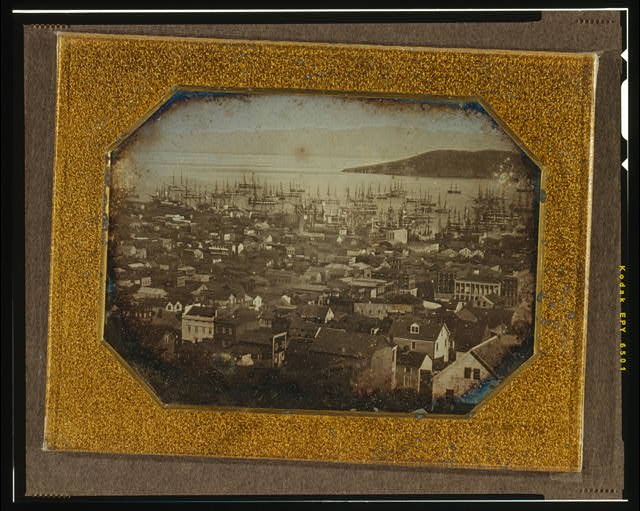
The gold pulled from California’s rivers and hills flowed into banks, businesses, and industries across the United States. It helped finance railroads, fueled industrial growth, and strengthened the national economy at a critical moment.
San Francisco transformed from a sleepy port into a major city almost overnight. New professions emerged, from shipping and finance to law and journalism. Even those who never mined gold felt its impact through rising wages, new markets, and westward expansion.
The Legacy of the Gold Rush
While few miners struck it rich, the Gold Rush permanently altered America’s relationship with the West. It accelerated migration, expanded federal authority over western lands, and highlighted the need for legal systems capable of keeping pace with rapid growth.
The Gold Rush also left lasting scars—on Indigenous communities, on the environment, and on social equity. Understanding this history means recognizing both ambition and consequence, opportunity and cost.
January 24 is not just a date tied to gold—it marks a turning point when individual dreams collided with national transformation.
Explore more important dates and stories in History Lessons.