

Iwo Jima Flag Raising: Memory, Meaning, and History
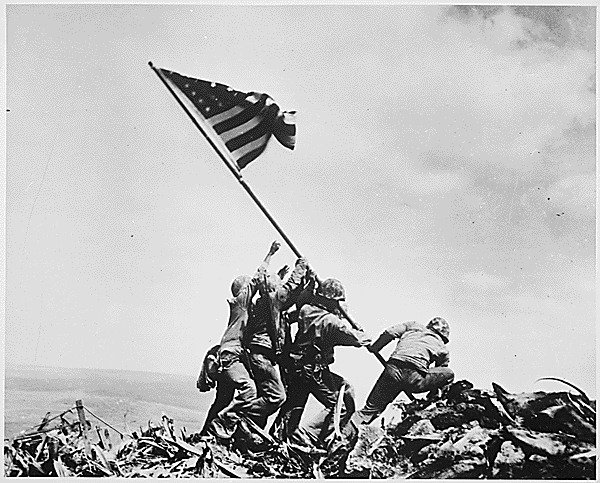
On February 23, 1945, during the Battle of Iwo Jima in World War II, a group of United States Marines raised an American flag atop Mount Suribachi, the island’s highest point. A photograph taken at that moment would become one of the most recognizable images of the twentieth century. For many Americans, it came to symbolize determination and unity during a long and exhausting war.
Yet the image is also tied to a much larger story — one that includes weeks of intense combat, the realities of military service, and the profound loss of life experienced by both American and Japanese forces. Remembering the day is not only about a single photograph or patriotic symbolism; it is also an opportunity to reflect on the complexity of history and the shared human cost of conflict.
Why Iwo Jima Mattered
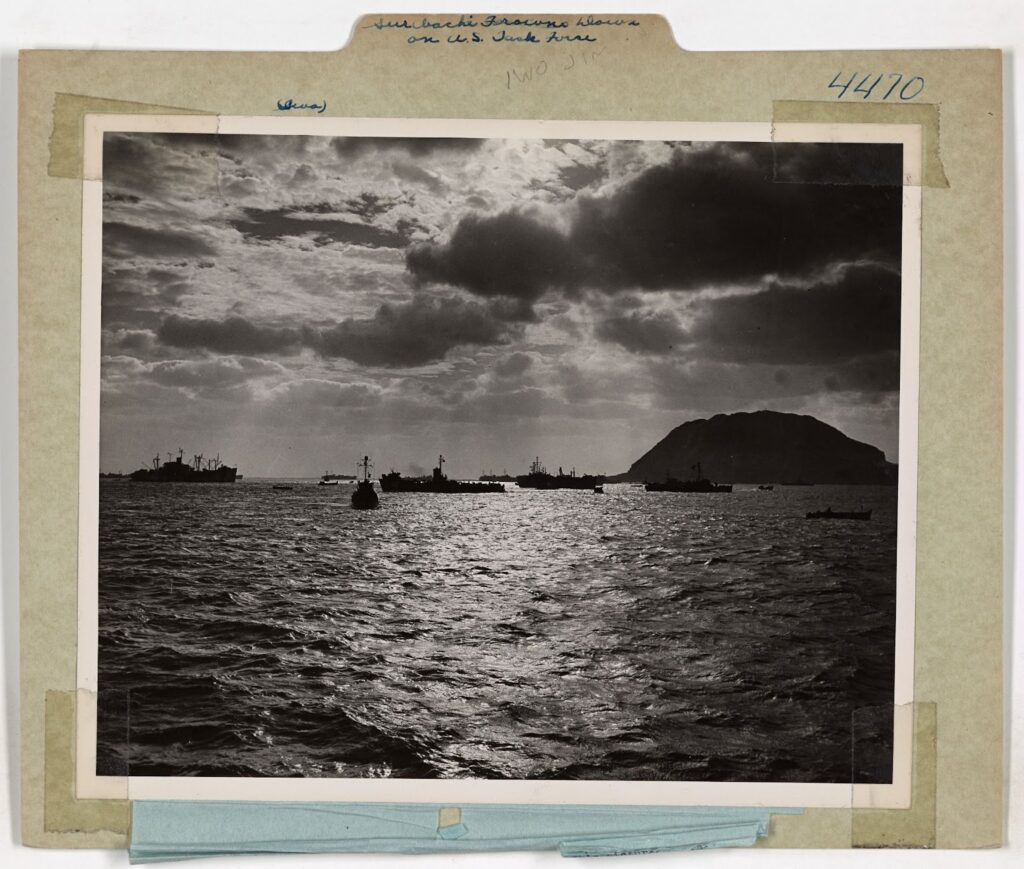
Iwo Jima is a small volcanic island located roughly halfway between Japan and the Mariana Islands, where American B-29 bombers were based. Though only about eight square miles in size, its airfields and location made it strategically important in early 1945. U.S. military planners believed that controlling the island would provide emergency landing options for damaged aircraft and a base for fighter escorts flying toward Japan.
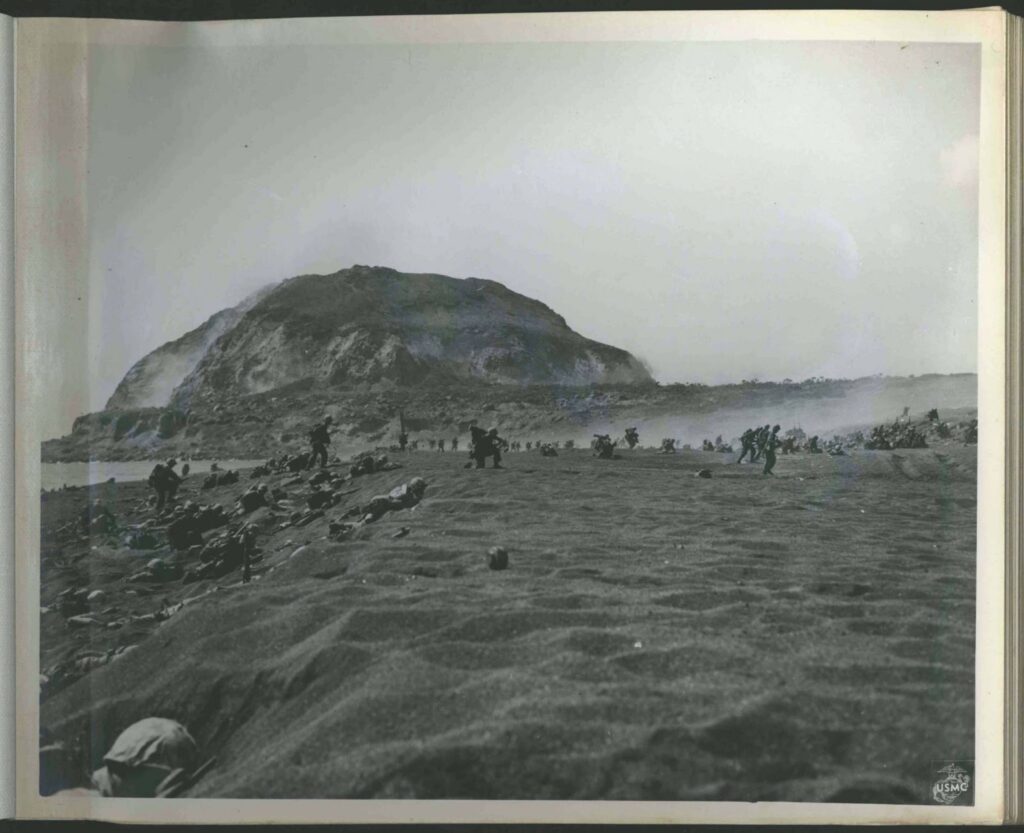
Japanese forces had spent months fortifying the island with underground tunnels, bunkers, and concealed artillery positions. The terrain itself posed additional challenges — black volcanic sand, sharp rock, and steep slopes that made movement slow and dangerous. When American forces landed on February 19, they encountered fierce resistance that would continue for more than a month.[1]
The Flag on Mount Suribachi
After several days of heavy fighting, Marines reached the summit of Mount Suribachi on February 23. Earlier that morning, a smaller flag had been raised. Later in the day, a larger flag replaced it so it could be seen more clearly from across the island.
Associated Press photographer Joe Rosenthal captured the moment as six Marines and one Navy corpsman worked together to lift the larger flag into place. The photograph quickly appeared in newspapers across the United States and later won the Pulitzer Prize. Its composition — hands reaching upward, bodies leaning forward in unison — conveyed cooperation and perseverance in a way words often cannot.[2]
While the image became iconic, the battle itself was far from over. Fighting would continue for weeks after the photograph was taken, and many service members on both sides would not survive to see the war’s end.
The Human Cost
The Battle of Iwo Jima lasted from February 19 to March 26, 1945, and remains one of the most intense battles of the Pacific theater. Thousands of American Marines and sailors were killed or wounded, while the vast majority of the Japanese defenders also lost their lives. Families in both nations would feel the impact long after the guns fell silent.[3]
Understanding Iwo Jima means recognizing both courage and consequence. It is a reminder that history is not only shaped by strategic decisions and public symbols, but also by the lived experiences of individuals whose names are often less remembered than the events themselves.
Memorials and Public Memory
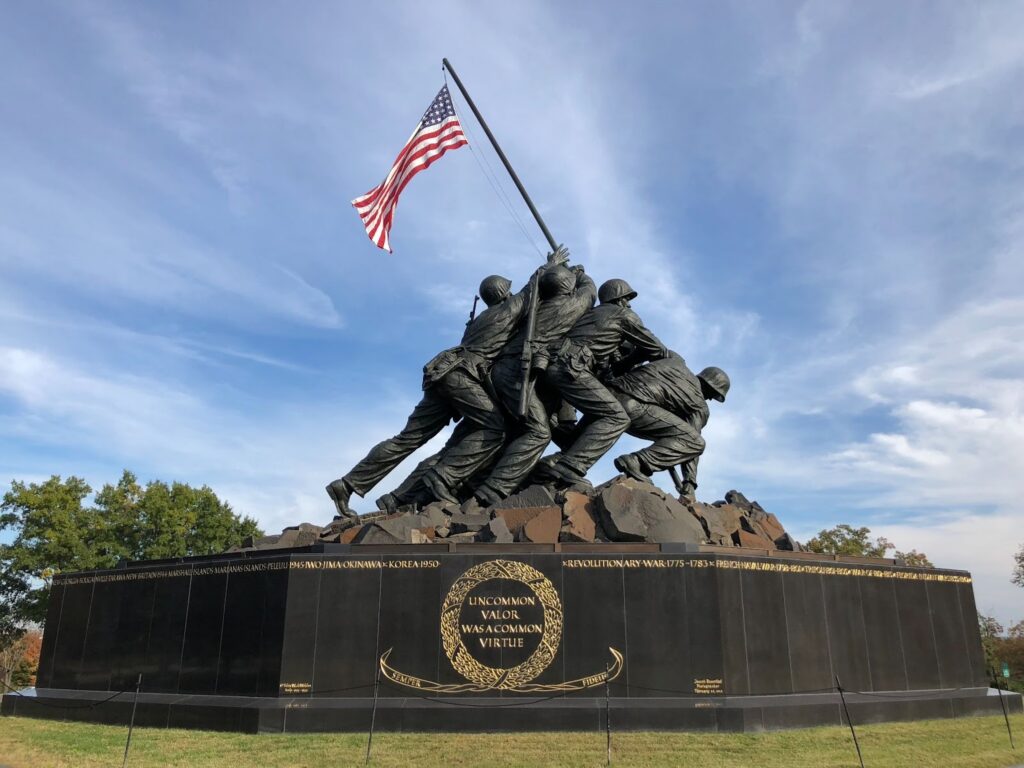
Nearly a decade after the battle, the famous photograph inspired the Marine Corps War Memorial in Arlington, Virginia. Dedicated in 1954, the sculpture honors “the Marine dead of all wars and their comrades of other services who fell fighting beside them.” The memorial’s scale and detail draw visitors from around the world, offering a place for reflection rather than celebration.[4]
Memorials such as this one serve an important civic purpose. They invite people to consider how national memory is formed and how societies choose to honor service and sacrifice. They also remind us that remembrance can be both solemn and educational — an opportunity to learn, question, and better understand the past.
Why February 23 Still Matters
For civic learners today, February 23 offers more than a historical anniversary. It highlights several enduring themes:
- The power of images in shaping public understanding
- The importance of context when studying history
- The value of respectful remembrance for all who were affected
Remembering the Iwo Jima flag raising is not about glorifying war. Instead, it is about acknowledging a moment that influenced national identity while also recognizing the broader realities surrounding it. In doing so, we gain a fuller understanding of history — one that includes courage, complexity, and compassion.
You can explore more images and documents from the National Archives here.
Explore more important dates and stories in History Lessons.