

Paul Cuffe: Commerce, Conscience, and Civic Duty
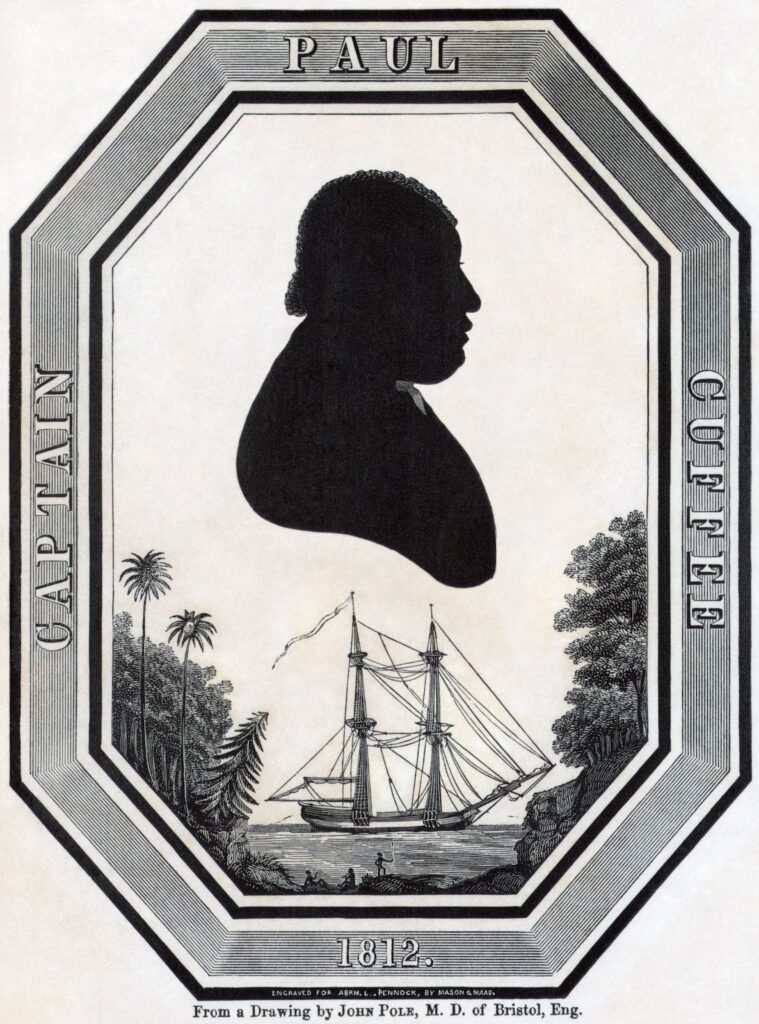
Paul Cuffe believed citizenship carried obligations as well as rights. Born free in 1759 on Cuttyhunk Island, Massachusetts, he grew up at the crossroads of cultures and histories that shaped his understanding of responsibility and independence. His father, Kofi Slocum, had been enslaved after being taken from West Africa and later purchased his freedom; his mother, Ruth Moses, was a member of the Wampanoag Nation. From this family history, Cuffe inherited a strong belief in self-reliance, moral accountability, and public contribution.¹
Although he never held national office, Paul Cuffe became one of the most influential Black civic leaders of the founding era. Through commerce, lawful protest, philanthropy, and international engagement, he asserted that African Americans belonged fully within the civic and economic life of the United States.
Economic Independence as Civic Practice
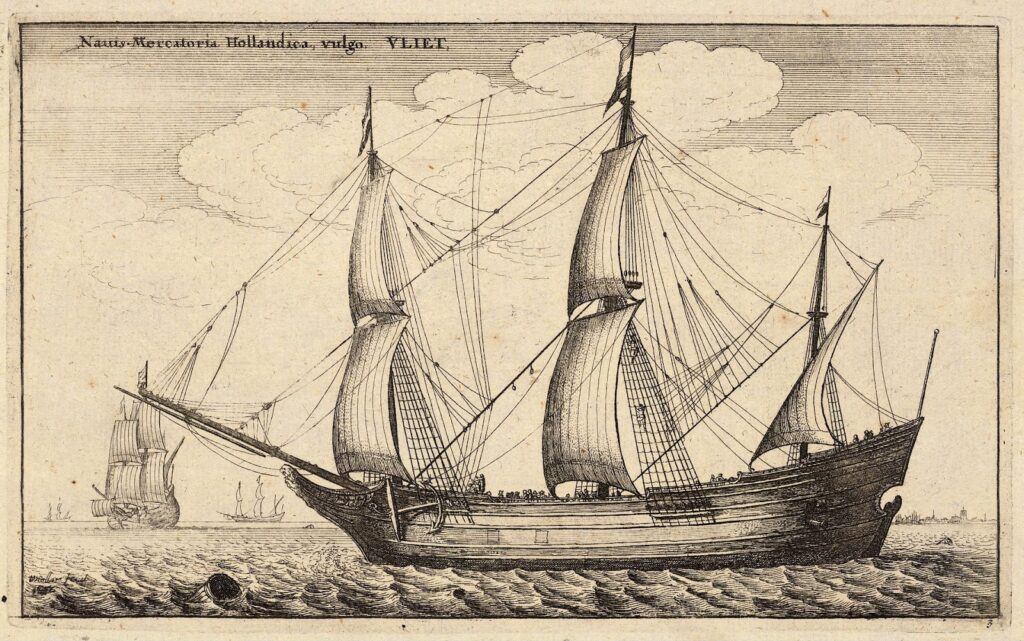
Cuffe went to sea as a young teenager and quickly mastered navigation, shipbuilding, and trade. By adulthood, he was a successful merchant and shipowner, commanding vessels that traveled along the Atlantic coast and across the ocean. His business achievements were extraordinary in a period when free Black Americans faced legal discrimination, restricted access to capital, and social exclusion.²
Cuffe viewed economic independence as inseparable from civic equality. In the political culture of the early republic, property ownership and productive labor were widely understood as foundations of citizenship. By building a prosperous maritime business, Cuffe demonstrated—through action rather than argument—that African Americans could contribute to the nation’s economy and public life.
Taxation, Voting, and Representation
In 1780, Cuffe brought his civic principles into sharp focus. Although he paid state taxes, he was denied the right to vote. Rather than accept this contradiction, Cuffe withheld his tax payment and submitted a formal petition to the Massachusetts legislature, invoking the revolutionary principle of “no taxation without representation.”³
His protest was deliberate and lawful. Cuffe did not reject government authority; he challenged it to live up to its own ideals. His efforts ultimately succeeded, and he became one of the first Black Americans to secure the right to vote in Massachusetts. The episode stands as a rare example of a founding-era Black citizen successfully pressing for political inclusion through petitioning and civic engagement.
Abolition and Moral Obligation
Cuffe’s opposition to slavery was rooted in both personal history and moral conviction. Though slavery had effectively ended in Massachusetts, he remained deeply concerned about its persistence elsewhere in the United States and across the Atlantic world. He supported abolitionist causes, funded schools for Black children, and encouraged education as a pathway to independence and dignity.²
For Cuffe, civic responsibility extended beyond national borders. He believed African Americans should have opportunities for self-determination and economic advancement, whether in the United States or abroad.
Sierra Leone and Global Civic Engagement
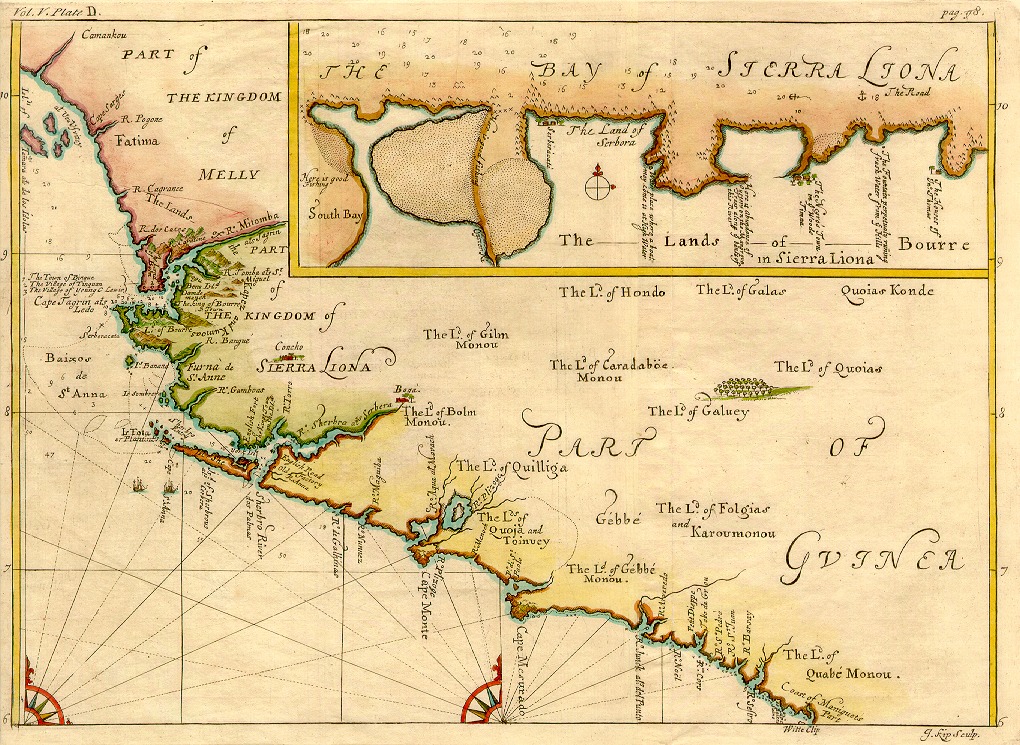
In 1815, Paul Cuffe personally financed and organized a voyage to Sierra Leone, assisting a group of free Black Americans who sought to establish a self-governing settlement in West Africa. Unlike later colonization efforts, Cuffe’s project was voluntary and rooted in collaboration with Black abolitionists in Britain and Africa.⁴
While the effort faced logistical and political challenges, it reflected Cuffe’s expansive understanding of civic duty—one that linked freedom, education, commerce, and moral responsibility on a global scale. His correspondence with British abolitionists and reformers further illustrates his commitment to ending the transatlantic slave trade and promoting lawful reform.⁵
A Model of Founding-Era Citizenship
Paul Cuffe died in 1817, leaving behind a legacy defined not by speeches or elected office, but by sustained civic action. He believed citizenship was practiced daily—in work, in community leadership, and in the willingness to confront injustice through lawful means.
Cuffe’s life complicates narrow definitions of the founding generation. He was neither fully included nor entirely excluded. Instead, he carved out space through persistence, economic contribution, and moral clarity, demonstrating that civic life was shaped not only in legislatures but also in shipyards, court petitions, and classrooms.
Why Paul Cuffe Still Matters
Paul Cuffe’s story reminds us that civic engagement has always taken many forms. He understood commerce as a public good, education as a civic responsibility, and participation as an obligation to future generations. In a nation still grappling with the meaning of equality, Cuffe chose engagement over retreat and contribution over silence.
His legacy challenges us to consider how economic choices, ethical commitments, and civic responsibility remain deeply connected—then and now.
Explore more stories from the Revolutionary era in our Founding Generation series.
- National Park Service, Paul Cuffe (1759–1817).
https://www.nps.gov/nebe/learn/historyculture/paulcuffe.htm - Encyclopædia Britannica, Paul Cuffe.
https://www.britannica.com/biography/Paul-Cuffe - Nantucket Historical Association, Who Was Paul Cuffe?
https://nha.org/research/nantucket-history/history-topics/who-was-paul-cuffe/ - National Humanities Center, Emigration and Colonization: Paul Cuffe and Sierra Leone (PDF).
https://nationalhumanitiescenter.org/pds/maai/identity/text10/emigrationcolonization.pdf - Congressional Record, Extensions of Remarks: Paul Cuffe.
https://www.congress.gov/congressional-record/volume-144/issue-11/extensions-of-remarks-section/article/E185-3