

Dolley Madison: Civic Leadership and National Unity in the Early Republic
A New Kind of Public Role
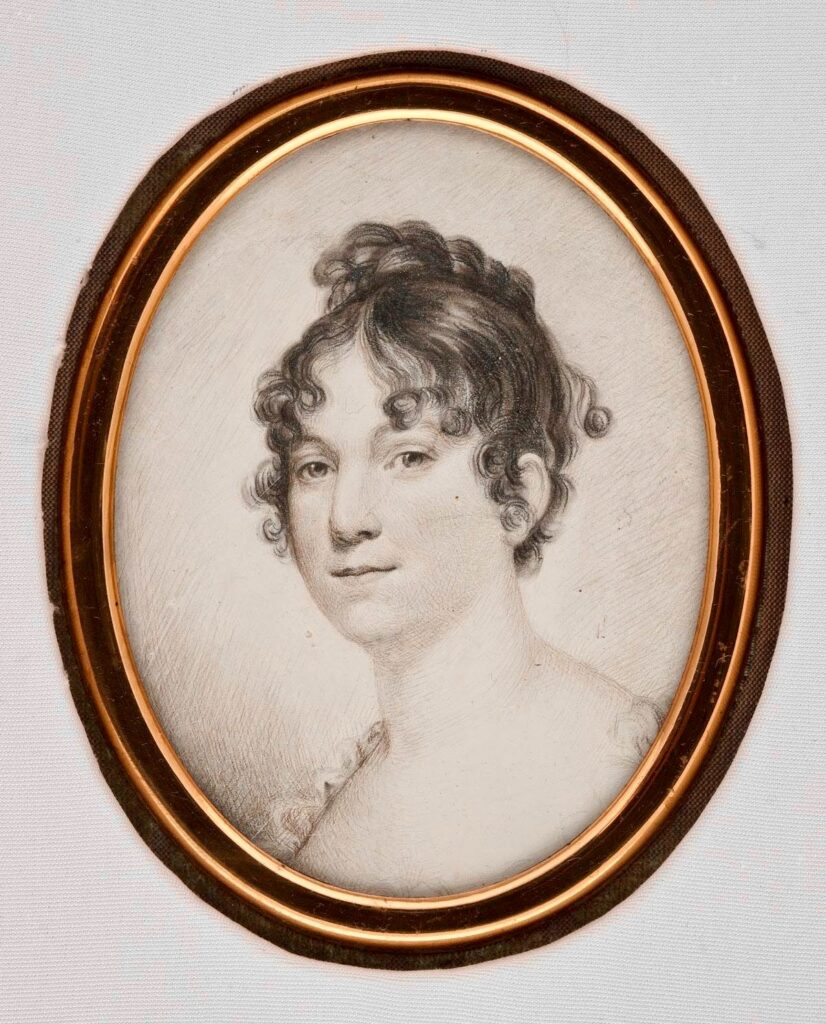
Dolley Madison (1768–1849) transformed the role of First Lady during her husband’s presidency, helping define a form of public leadership rooted in social cohesion and civic participation. Born in North Carolina and raised in Virginia and Pennsylvania, Dolley Payne married James Madison in 1794, becoming a central figure in the social and political life of the early United States. Her leadership extended well beyond domestic settings, shaping informal diplomacy, fostering civil dialogue, and strengthening national unity in an era of frequent political tension.¹
Social Spaces for Civil Dialogue
During the early nineteenth century, political divisions between emerging parties sometimes threatened cooperation in Congress and communities. Dolley Madison used her position to create spaces where elected officials, diplomats, and citizens of differing views could interact civilly.
Her weekly receptions — known as “drawing rooms” — became important venues for discussion and relationship-building. By welcoming leaders from various factions, she encouraged civic dialogue in an atmosphere where personal respect and social exchange could bridge political differences. Dolley Madison’s leadership exemplified how informal social traditions could contribute to a functioning republic.²
Preserving National Symbols During Crisis
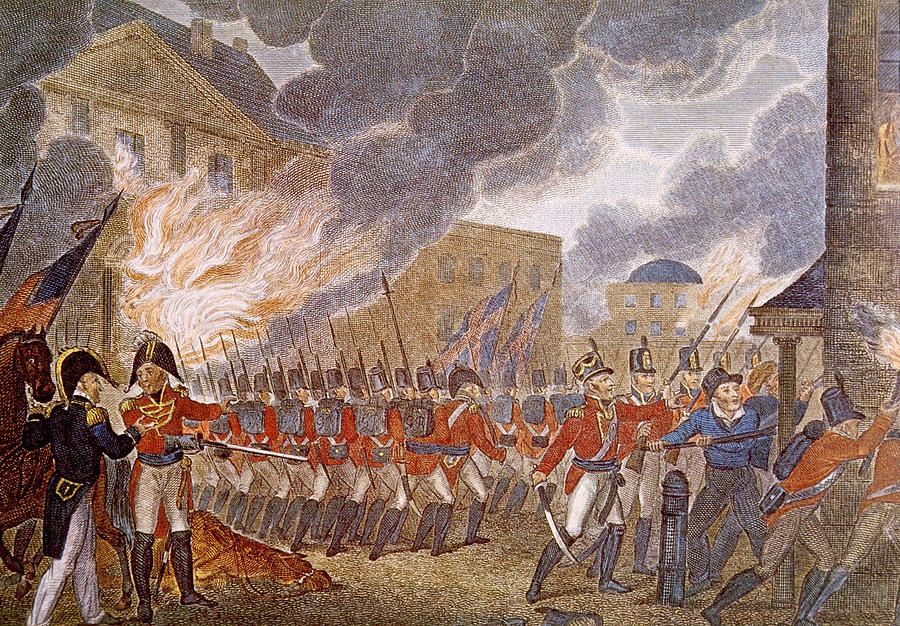
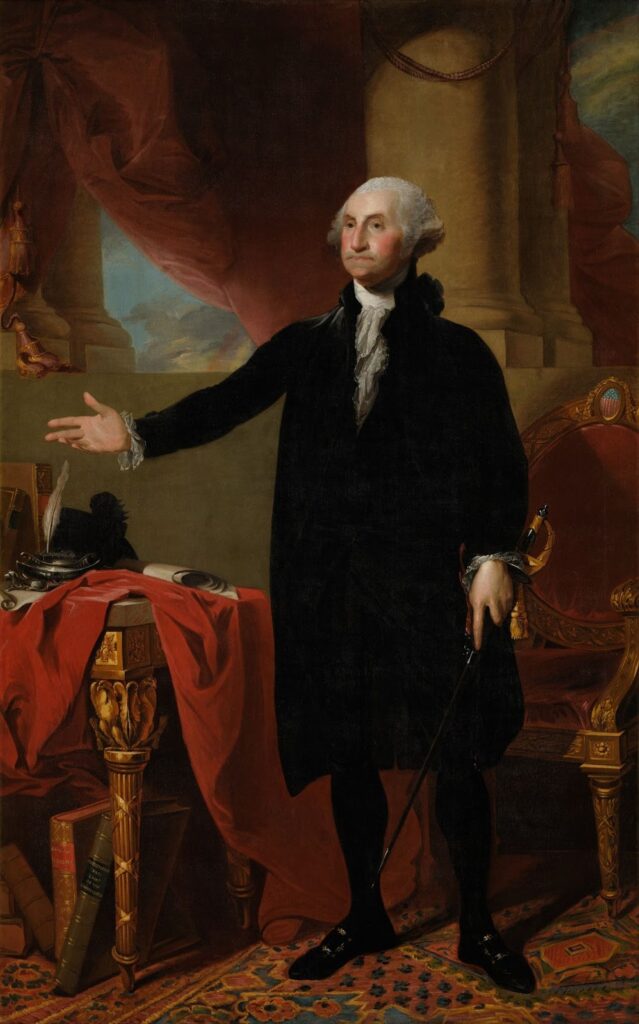
Dolley Madison became widely celebrated for her actions during the War of 1812, particularly for her role in the British invasion and occupation of Washington, D.C., in August 1814. As the White House was being abandoned, she ensured the removal and preservation of important government documents and, most famously, a full-length portrait of George Washington by Gilbert Stuart—a potent symbol of American identity.
Her decision to safeguard the portrait and other artifacts was not merely symbolic; it underscored the importance of preserving national icons that represent collective memory and shared civic values. Dolley Madison’s commitment demonstrated how individuals can protect public heritage in moments of rupture and uncertainty.³
Civic Leadership and Informal Diplomacy
Beyond the White House and wartime crisis, Dolley Madison’s influence extended into international and domestic relations. As First Lady, she welcomed foreign envoys and dignitaries, helping shape the tone of American hospitality and intercultural exchange. Her warmth and accessibility added a human dimension to early U.S. diplomacy, complementing formal statecraft with personal engagement.
Her approach encouraged a culture of respectful interaction among political leaders from diverse backgrounds, illustrating that civic leadership can occur through personal example as well as policy.⁴
Legacy of Civic Participation
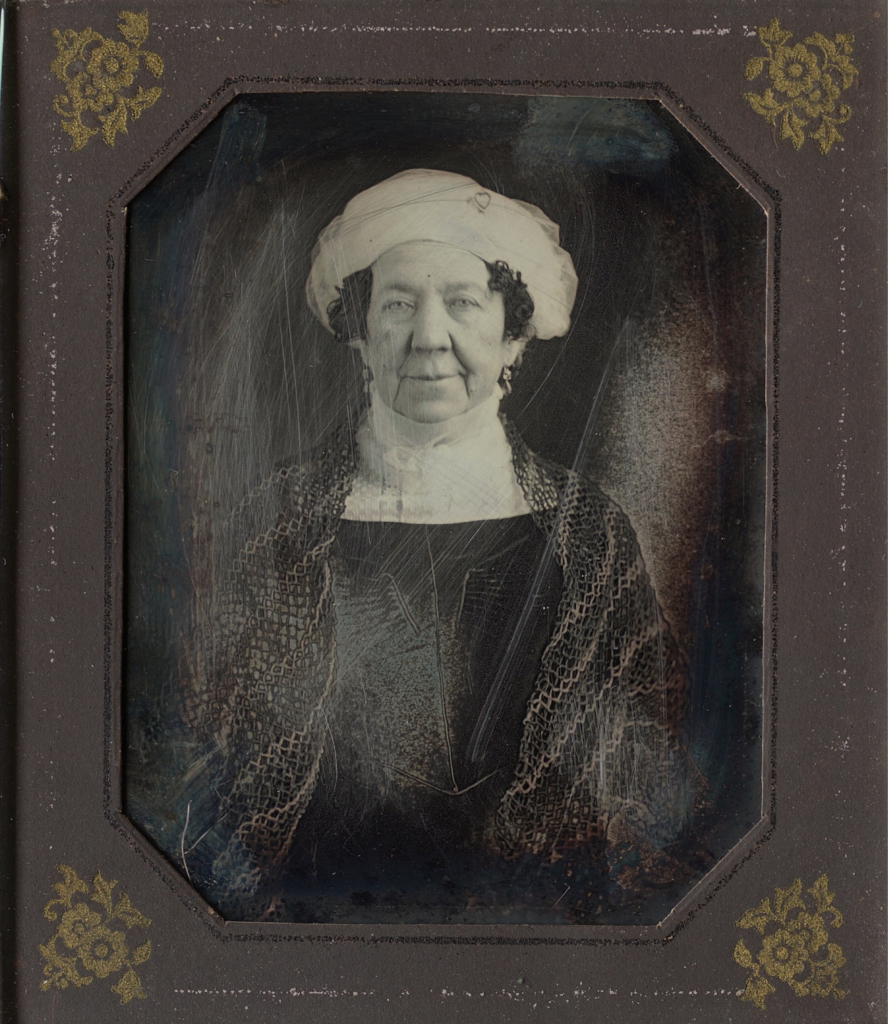
After her husband’s presidency ended in 1817, Dolley Madison remained a respected figure in American public life. Her efforts to sustain unity — at social gatherings, in the face of external threats, and through symbolic preservation — contributed to a broad understanding of citizenship and civic responsibility.
Historians emphasize that her leadership helped the young nation navigate divisions and consolidate a sense of common purpose, even when formal institutions were still developing. Her role in shaping public culture remains a testament to the many ways citizens can contribute to the resilience of a democratic society.⁵
Why Dolley Madison Matters for America 250
As the United States approaches its 250th anniversary, Dolley Madison’s example offers enduring lessons for civic life today. Her leadership model shows that:
- Civil discourse — cultivated through respectful exchange — strengthens civic cooperation.
- Informal diplomacy can build bridges when formal mechanisms struggle.
- Preservation of national symbols fosters continuity and shared identity across generations.
Her story illustrates how unity and dialogue were essential to sustaining the early republic, offering a bridge between Founding Era values and contemporary civic challenges.
Explore more stories from the Revolutionary era in our Founding Generation series.
Footnotes
- White House Historical Association, “Dolley Madison,” https://www.whitehousehistory.org/bios/dolley-madison
- First Ladies Association for Research and Education, “Dolley Madison,” https://firstladies.org/home/first-ladies/dolley-madison
- Montpelier, “Dolley Madison: Becoming America’s First Lady,” https://www.montpelier.org/learn/dolley-madison-becoming-americas-first-lady/
- National Park Service, “Dolley Madison,” https://www.nps.gov/people/dolley-madison.htm
- PBS American Experience, “Dolley Madison’s Life,”https://www.pbs.org/wgbh/americanexperience/features/dolley-madisons-life/