

Ann Bailey: Frontier Courage in the Revolutionary Era
A Life on the Edge of a New Nation
In the unsettled lands along the western frontier of colonial America, daily life often resembled an armed camp as much as a civilian settlement. Among those who helped sustain early American communities during the Revolutionary era was Ann Hennis Trotter Bailey (1742–1825), a woman whose courage and initiative became part of frontier legend and civic memory.
Bailey’s life was shaped by frontier realities. Born in 1742, she later settled in the Upper Ohio Valley region — an area of competing colonial claims, Indigenous resistance to expansion, and intermittent military conflict. Into this rugged landscape, she brought an unwavering sense of duty to her neighbors and a readiness to act when most needed.¹
Service During the Revolutionary War
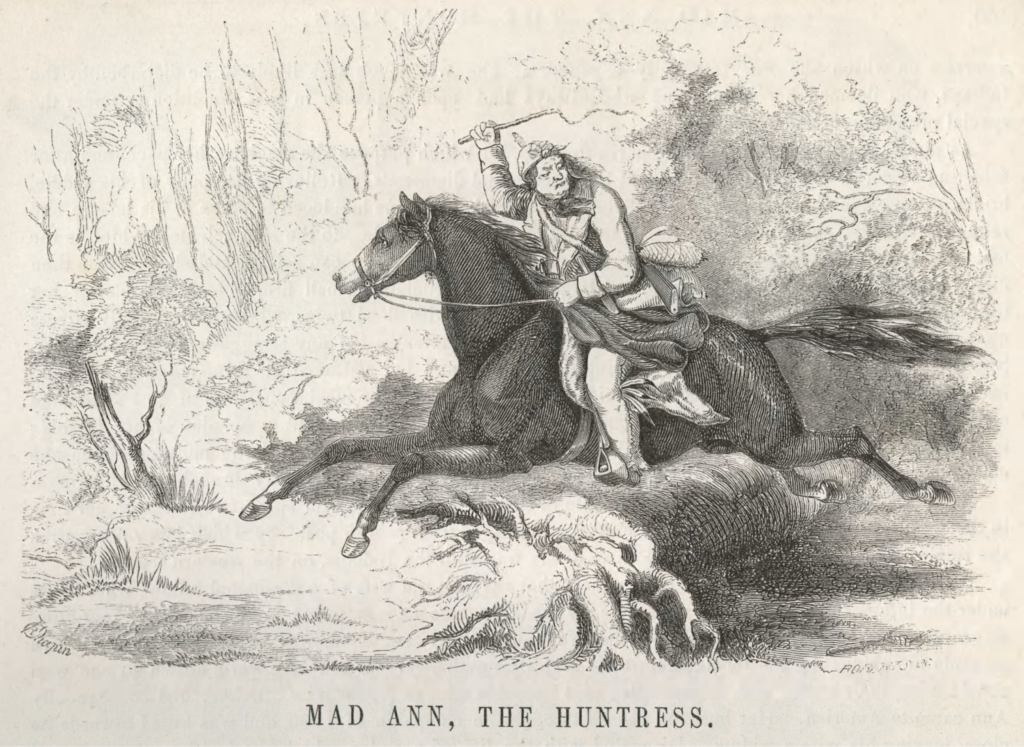
With the outbreak of the American Revolution, frontier settlements faced threats from both British forces and their Indigenous allies, and supply shortages were frequent. In this context, Ann Bailey became well known for her daring rides through dangerous territory to deliver critical supplies to defenders of frontier forts.
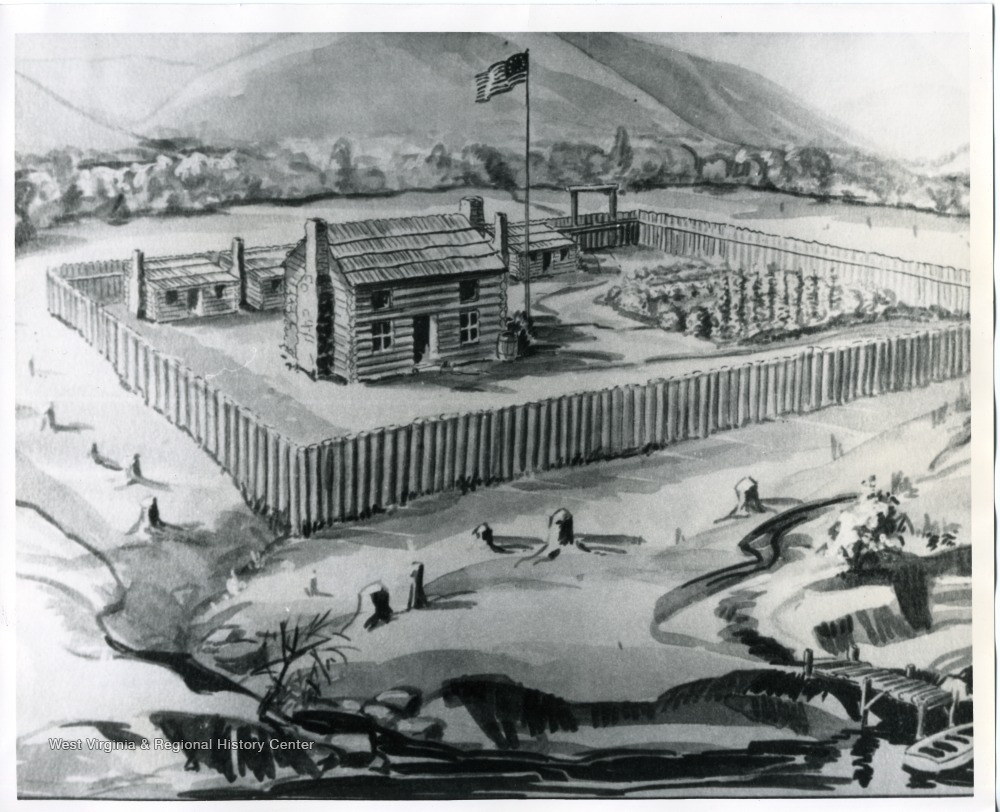
One of her most famous acts was her journey to secure gunpowder for Fort Lee (near present-day Charleston, West Virginia), which was facing a critical shortage. She reportedly volunteered to ride alone — repeatedly crossing wilderness, river fords, and contested land — to bring desperately needed ammunition to those defending the fort. Her willingness to expose herself to danger contributed directly to the survival of settlements under threat.²
Contemporary and later accounts consistently emphasize Bailey’s independence, endurance, and practical service, qualities that helped distinguish her among Revolutionary-era frontierspeople. While specific details vary across retellings, her reputation as a messenger and supplier became emblematic of the broader civic ethic required in frontier service.
Frontier Citizenship and Civic Responsibility
Bailey’s story exemplifies a version of civic participation distinct from formal military or political leadership. On the frontier — where formal governmental institutions were distant, limited, or absent — communities depended on individual initiative, collective cooperation, and voluntary service to sustain themselves.
In traveling long distances through hazardous territory to deliver supplies, Bailey stepped into a role usually held by men-at-arms. Her actions reflected a broader civic principle: when public infrastructure is limited, individual resolve and civic concern help sustain community resilience.
As noted in the Encyclopedia Virginia, Bailey’s frontier rides are understood not merely as legend, but as part of how early citizens of the new nation lived and defended their communities.³
Life Beyond the War
Ann Bailey’s personal life was marked by both tragedy and determination. Her first husband, Richard Trotter, died in a frontier conflict — a loss that did not drive her away from the frontier but instead deepened her sense of connection to the people who lived there. She later married Lt. Joseph Bailey, a fellow frontier defender, with whom she shared ongoing life on the western edge of America.
Even after the Revolution, Bailey continued to assist in frontier defense efforts and local community needs. Stories of her rides for supplies circulated widely through the nineteenth century and became part of the cultural heritage of what would become West Virginia and Virginia, inspiring admiration for her endurance and resourcefulness.¹⁴
The Civic Legacy of Ann Bailey
Ann Bailey did not hold elected office or command an army, yet her life embodies foundational aspects of early American civic life:
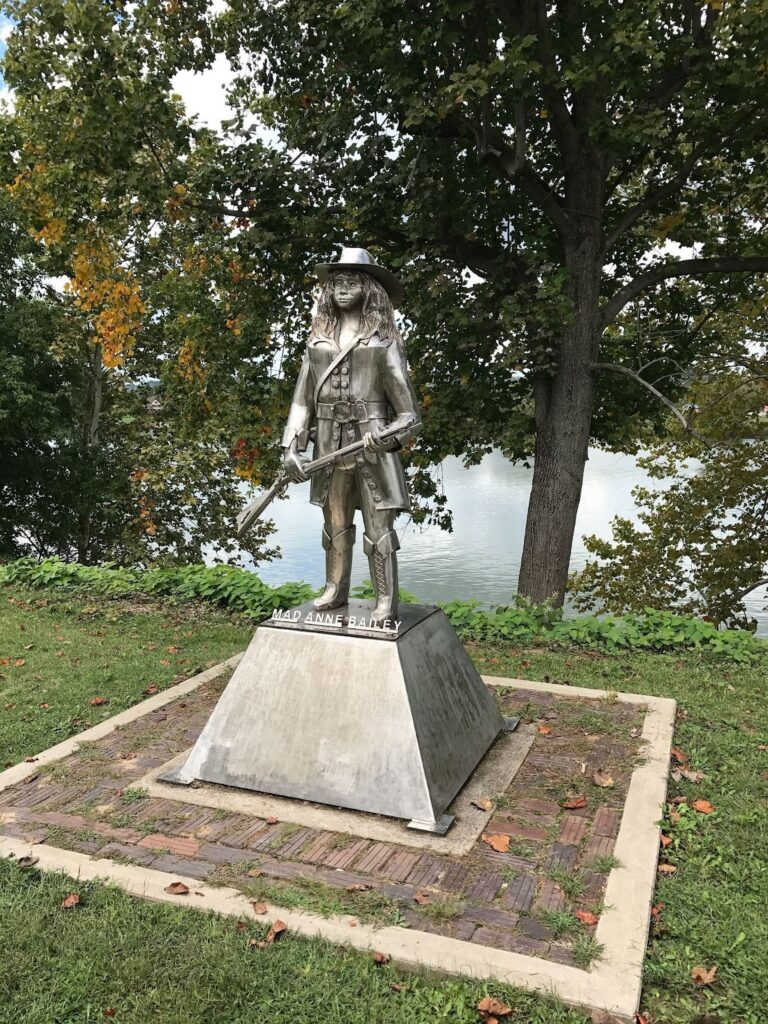
- Community responsibility: She undertook perilous journeys to support her neighbors when formal systems of supply and protection were unavailable.
- Courage and initiative: Bailey’s willingness to act in the face of danger reflects an ethic of personal responsibility central to civic culture.
- Collective resilience: In frontier regions lacking structured governmental support, community survival relied on voluntary action and mutual aid.
Why Ann Bailey Matters Today
As America commemorates America 250, stories like Ann Bailey’s invite reflection on what civic life requires beyond formal political action. Her life illustrates that citizenship involves service, courage, and willingness to act when community well-being is at stake.
In a republic of laws and institutions, Ann Bailey reminds us of another dimension of democratic life — the civic spirit that emerges when people step forward to meet collective challenges.
Explore more stories from the Revolutionary era in our Founding Generation series.
Footnotes
- Encyclopaedia Britannica, “Ann Bailey,” https://www.britannica.com/biography/Ann-Bailey
- Library of Virginia, “Anne Bailey (1742–1825)”, https://old.lva.virginia.gov/public/dvb/bio.asp?b=Bailey_Anne
- Encyclopedia Virginia, “Ann Bailey, Heroine of Point Pleasant,” https://encyclopediavirginia.org/ann-bailey-heroine-of-point-pleasant/
- Women History Blog, “Anne Hennis Trotter Bailey,”https://www.womenhistoryblog.com/2009/03/anne-hennis-trotter-bailey.html