

Benedict Arnold: From Revolutionary Hero to Traitor

A Connecticut Beginning in a Divided World
The story of the Founding Generation is not only one of unity and triumph, but also of conflict, ambition, and human fallibility. Few figures illustrate this complexity more clearly than Benedict Arnold. Born in Connecticut in 1741, Arnold grew up in a colony shaped by commerce, faith, and rising tensions with British authority. His early life offered both opportunity and instability, experiences that would later influence his decisions during the American Revolution.
Arnold came from a once-prominent family whose fortunes declined over time, leaving him deeply concerned with honor, reputation, and financial success. Before the war, he worked as a merchant and sailor, developing resilience, confidence, and a willingness to take risks—traits that would serve him well in battle, but complicate his later choices.
Early Patriot Service and Battlefield Bravery
When the Revolutionary War began, Arnold quickly emerged as one of the Continental Army’s most aggressive and capable officers. He played a key role in the early American capture of Fort Ticonderoga in 1775 and later participated in the grueling expedition to Quebec. These campaigns revealed his courage and determination, even under extreme hardship.
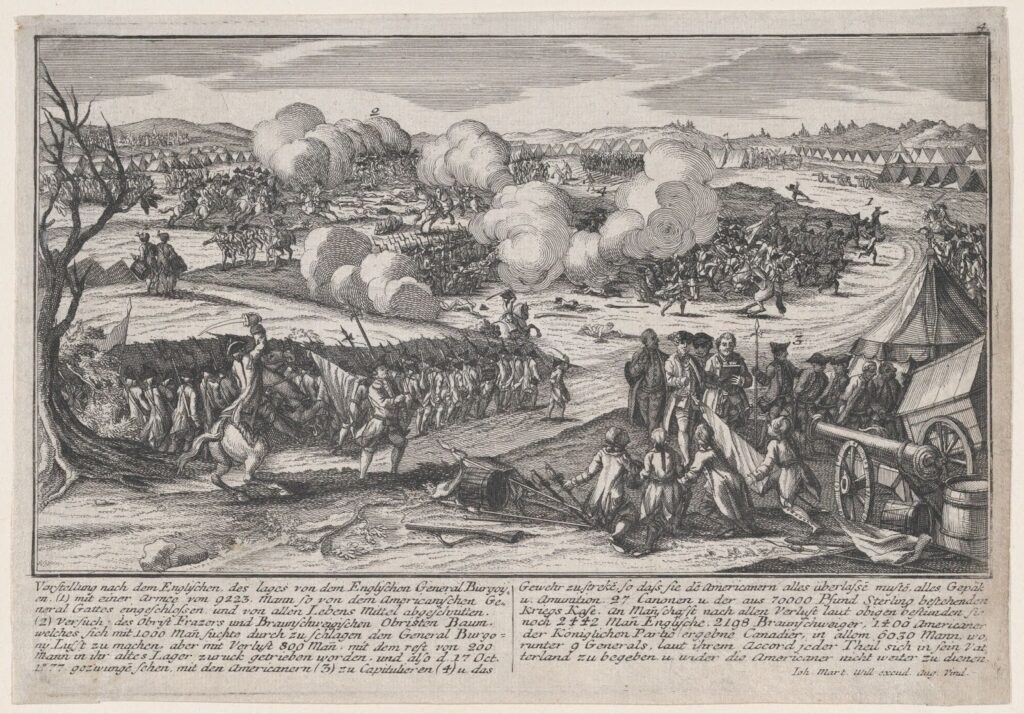
Arnold’s most celebrated moment came during the Battles of Saratoga in 1777, a turning point in the war. Leading bold charges against British forces, he played a decisive role in the American victory despite not holding formal command at the time. During the fighting, Arnold was severely wounded in the leg—a wound that would trouble him for the rest of his life. His bravery at Saratoga helped convince France to support the American cause, making his contributions historically significant.
Frustration, Debt, and Growing Resentment
Despite his battlefield successes, Arnold grew increasingly frustrated with the Continental Congress and fellow officers. He believed his service was undervalued and that others received promotions and recognition he deserved. Financial troubles compounded his anger, as he struggled with debt and accusations of misconduct while serving as military governor of Philadelphia.
Arnold’s resentment deepened as he felt personally attacked and politically isolated. While many Revolutionary leaders endured hardship without recognition, Arnold’s strong sense of honor and wounded pride made compromise difficult. These pressures set the stage for a decision that would alter his legacy forever.
The Plot to Surrender West Point
In 1780, Arnold accepted command of West Point, a crucial American fort along the Hudson River. From this position of trust, he secretly began corresponding with British officials, offering to surrender the fort in exchange for money and a commission in the British Army.
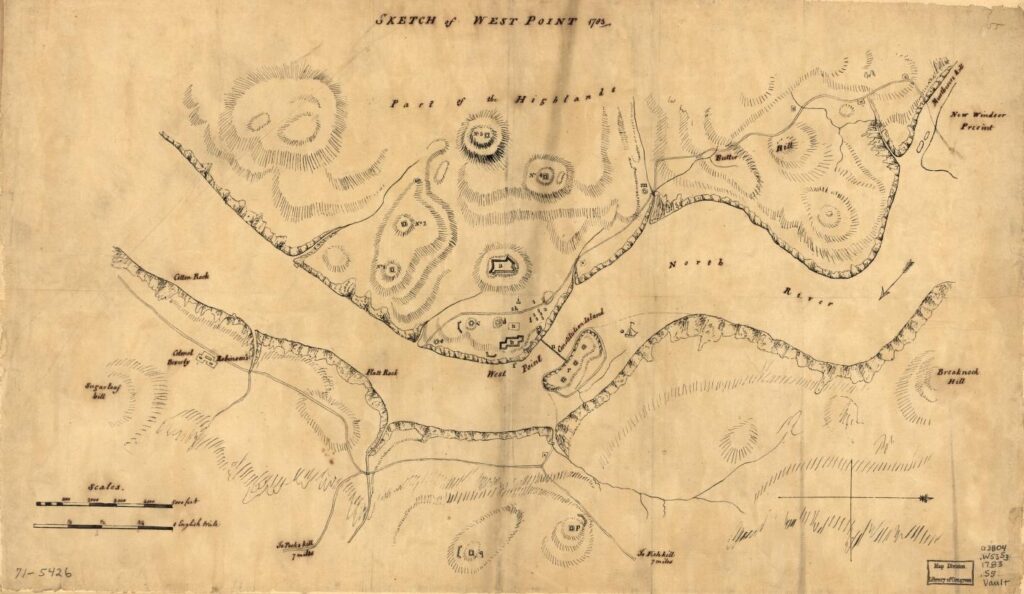
The plot unraveled when British Major John André, Arnold’s contact, was captured carrying incriminating documents. Arnold fled to British lines before he could be arrested, leaving behind a stunned Continental Army. The betrayal shocked American leaders and citizens alike, threatening not only military security but trust within the revolutionary ranks.

A Name Synonymous with Treason
Arnold’s defection marked one of the most infamous betrayals in American history. Though he later fought for the British, he never regained the respect or honor he sought. In the United States, his name became synonymous with treason, eclipsing his earlier heroism at Saratoga and elsewhere.
His story poses difficult questions about loyalty, ambition, and accountability. How should history remember someone who both helped win the Revolution and attempted to destroy it from within? Arnold’s life reminds us that the nation’s founding was shaped by imperfect individuals whose choices carried lasting consequences.
A Lasting Legacy of Betrayal
Benedict Arnold’s legacy serves as a cautionary tale within the Founding Generation. His rise and fall underscore the importance of trust, civic virtue, and commitment to shared principles—values essential to any self-governing society.
Studying Arnold does not excuse his betrayal, but it deepens our understanding of the human challenges faced during the Revolution. His story invites reflection on how personal grievances, ambition, and lack of accountability can undermine even the most promising leadership.
Explore more stories from the Revolutionary era in our Founding Generation series.