

Button Gwinnett: A Story of Ambition, Revolution, and Tragedy
Button Gwinnett’s story begins far from the battlefields of the American Revolution — in the rolling countryside of England. Born in 1735 in the village of Down Hatherley, Gloucestershire, to Anglican vicar Samuel Gwinnett and his wife Anne, he was one of at least seven children raised in an era of British imperial power and burgeoning colonial tensions. Though his name may sound whimsical to modern ears, it was steeped in family tradition: “Button” came from his mother’s cousin, Barbara Button.
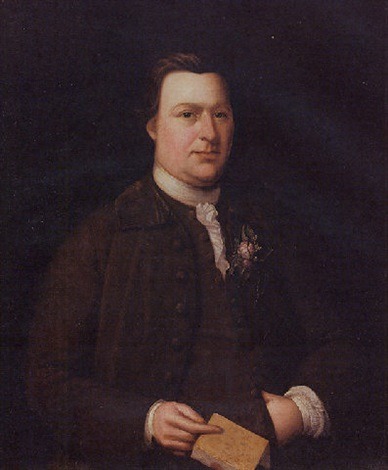
Trained in trade and finance as a young man, Gwinnett married his wife Ann Bourne in 1757 and entered the world of commerce. By the early 1760s, seeking greater opportunity, he and his young family emigrated to the American colonies — first to Charleston, South Carolina, and shortly thereafter to Savannah, Georgia.
Georgia Merchant Turned Political Figure
In Savannah, Gwinnett began as a merchant, hoping that trans‑Atlantic trade would yield prosperity. In 1765, he established his own store and soon expanded his ambitions by purchasing St. Catherine’s Island off the coast of Georgia. Yet fortune did not smile on him for long: mounting debts and poor crop yields forced him to sell his property and left him heavily in debt. Despite this, his resilience would prove pivotal.
Rather than retreating from public life, Gwinnett stepped into it. In 1769, he was elected to the Georgia Commons House of Assembly, marking the beginning of a turbulent — yet influential — political career. Through deep conviction and fiery debate, he earned support among country Whigs, who saw in him an advocate for broader colonial rights and reform.
Signing the Declaration: A Defining Moment
As tensions between the British Crown and its American colonies escalated in the 1770s, Gwinnett found himself at a crossroads. When Georgia’s provincial assembly sent him as a delegate to the Second Continental Congress in Philadelphia in early 1776, he stepped onto the grand stage of history. There, amidst fiery debates and the rising call for independence, he cast his vote for liberty and placed his signature on the Declaration of Independence on August 2, 1776 — forever marking his name among the Founding Fathers.
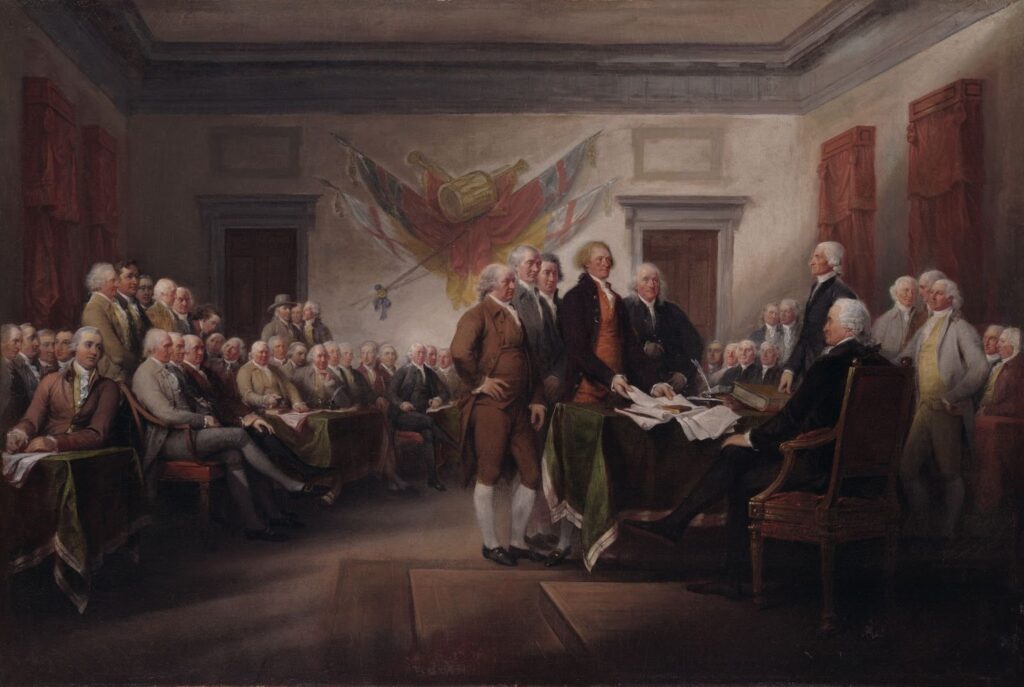
Despite his humble beginnings and earlier financial struggles, Gwinnett’s bold signature symbolized an unwavering commitment. Though not as widely known today as some of his contemporaries, his autograph has become one of the rarest and most valuable of all the signers’ — a testament to both his early death and his significant role in the founding era.

Back in Georgia: Leadership and Friction
Upon returning to Georgia, Gwinnett continued his public service with vigor. He was elected Speaker of the Assembly and played a key role in drafting Georgia’s first state constitution in 1777. When Georgia’s provisional governor, Archibald Bulloch, died suddenly, Gwinnett stepped into the role of acting president (akin to governor). Yet politics at the time was fractious, and his tenure was mired in rivalry, most notably with General Lachlan McIntosh, an influential military leader and political opponent.
Tragedy at Dawn: The Duel That Ended a Life
The feud between Gwinnett and McIntosh reached a breaking point after a failed military expedition against British Florida. Blame and personal insults flew — culminating in Gwinnett challenging McIntosh to a duel near Savannah on May 16, 1777. In the fraught culture of honor that defined 18th‑century politics, such confrontations were not uncommon — but they were deadly.
Both men were wounded in the exchange of pistol fire, but Gwinnett’s injury became gangrenous and claimed his life three days later. He was only in his early forties. His rival, McIntosh, survived and continued his service. Gwinnett’s final resting place is believed to be in Savannah’s Colonial Park Cemetery, though the exact location remains uncertain.
A Legacy Visible Today
Button Gwinnett’s life encapsulates the drama of the American founding — from humble trade beginnings in England to the revolutionary fervor of the Continental Congress, and finally to a tragic duel that cut short a passionate advocate for liberty. His legacy endures in history books, place names like Gwinnett County, Georgia, and in the rare but powerful stroke of his pen on the Declaration of Independence.