

Caesar Rodney: The Ride That Secured Independence
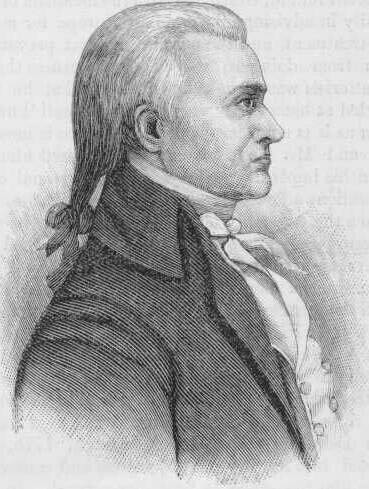
Caesar Rodney was born on October 7, 1728, on his family’s farm east of Dover in what was then the Delaware Colony. Though he did not receive a lavish formal education, Rodney quickly carved out a path in public service. Over the years, he held a wide array of offices: from High Sheriff of Kent County to justice of the peace and lower‑court judge, militia captain, and even superintendent for printing Delaware currency. In 1762, he joined the colonial assembly, then became an associate justice of the Delaware Supreme Court (1769–1777), and ultimately a delegate to the Continental Congress.
Rodney was not a firebrand orator in the mold of some of his peers. Rather, he was steady, committed, and known for integrity — a statesman shaped by local responsibilities, not ambition.
The Fateful Ride: 1–2 July 1776
In the summer of 1776, tensions in the Continental Congress reached a boiling point. The vote on the resolution for independence from Britain was at hand. Delaware, like other colonies, cast a single vote — meaning the positions of its delegates would determine the colony’s stance. At the moment, two other Delaware delegates were divided: Thomas McKean was in favor of independence, while George Read opposed it. Without a third delegate, Delaware’s vote would fall into a stalemate.
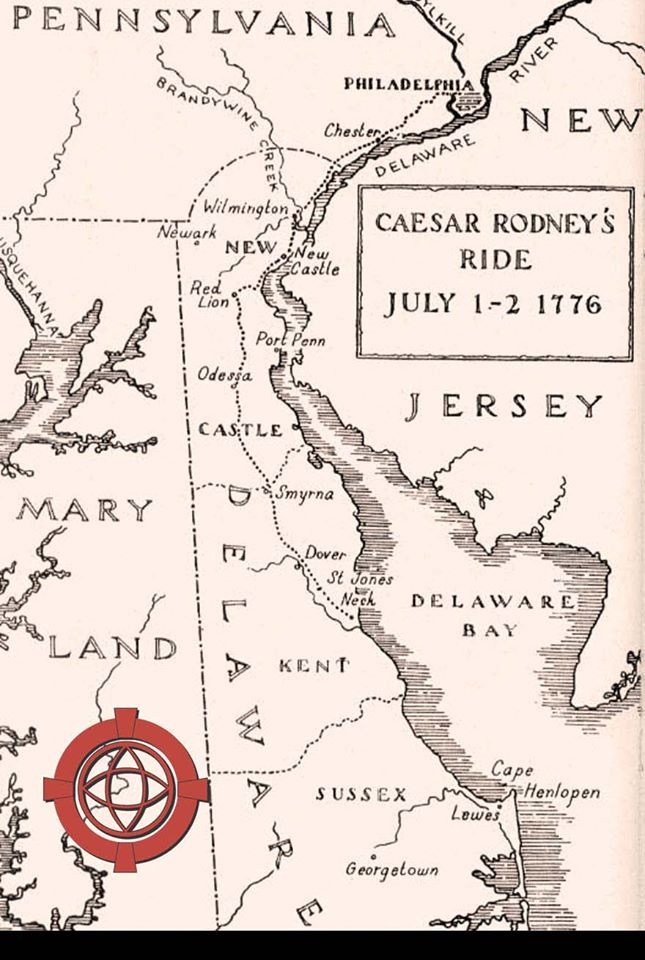
When McKean learned of the impending vote, he dispatched a messenger to fetch Rodney, then at home in Kent County, tending to militia and private affairs. Rodney, at roughly 47 years old and reportedly suffering from a serious illness that affected his face, understood the urgency.
Undeterred by his illness — and warned by his doctor of the risks — Rodney mounted his horse late on July 1, 1776. Braving a thunderous storm and poor colonial roads, he rode through the night, covering some 70–80 miles from Dover to Philadelphia.
He arrived in Philadelphia on the morning of July 2, just as the vote was about to begin. Still in his riding clothes, spurs muddy from the journey, Rodney took his seat — and cast the deciding vote for independence. According to one contemporary version, he declared:
“As I believe the voice of my constituents and of all sensible and honest men is in favor of independence, and my own judgment concurs with them, I vote for independence.”
That single vote tipped Delaware toward the cause — securing a unified vote among the colonies and underscoring their collective resolve to declare independence.
Signing the Declaration—and Aftermath
A few weeks later, when the formal signing of the Declaration of Independence took place, Caesar Rodney’s name appeared among the brave and resolute signers. His vote and signature helped define the birth of a new nation.
But Rodney’s contributions did not end there. During the Revolutionary War, he served as a brigadier general of the Delaware Militia, helping organize and supply troops when resources were scarce. Later, in 1778, he was elected “President” (effectively governor) of the newly formed state of Delaware — an office he held through much of the Revolution.
His service extended even beyond. After his gubernatorial term, he returned to the legislature. Yet the illness that afflicted him remained — reportedly a facial cancer that caused disfigurement and even necessitated a veil to disguise its effects. It may have contributed to his relative obscurity compared with other founders.
Rodney died on June 26, 1784, at the age of 55, on his estate near Dover.
Legacy: Courage, Duty, and Complex Memory
The story of Caesar Rodney is not one of thunderous speeches or widespread fame — but one of quiet duty, personal sacrifice, and a willingness to put principle above personal comfort. His midnight ride under threat of illness and storm stands as one of the most dramatic and consequential moments of the American founding.

Yet, his legacy is also complicated. As was common among many colonial leaders, Rodney was a planter and enslaver. According to his last will and estate records, he held a number of people in bondage on his plantation.
His later obscurity — perhaps due in part to the disfiguring illness he bore — has kept him from being as celebrated as figures like Thomas Jefferson or John Adams. But among those who know Delaware history, Rodney remains a symbol of obedient courage and unglamorous fidelity to cause over glory.
Today, his likeness stands in the U.S. Capitol Crypt — a marble statue carved by Bryant Baker in 1934 — a silent testament to the man who risked body and reputation to secure independence for his colony and the unborn nation.
Reflections for Today’s Citizens
For a modern audience, especially young people learning civics and the roots of American democracy, Rodney’s story offers several lessons:
- The power of a single vote. In a moment of crisis, one person’s decision — albeit risky — changed history. His ride and vote remind us that every individual can matter when the stakes are high.
- Civic duty over personal comfort. Rodney did not embark on the journey for fame. He rode because he believed it was his responsibility — even at great personal cost.
- Complex legacies. Like many founding-era figures, Rodney’s achievements are entwined with the moral contradictions of his time. Recognizing both his contributions and his participation in slavery helps us understand the layered reality of history, prompting honest reflection rather than hero‑worship.
As we approach anniversaries of founding events — in our case, the 250th anniversary of the Declaration’s signing — remembering figures like Caesar Rodney enriches those commemorations. His ride reminds us that independence was not inevitable; it was forged by people willing to endure hardship for an idea.