

Catherine Moore Barry — Unsung Hero of the American Revolution in South Carolina
When we think of the heroes of the American Revolution, we often picture generals, muskets, and sweeping battles. But for many Patriot victories — especially in the South — the contributions of cellars, farmland, and unsung messengers were just as vital. Catherine Moore Barry (sometimes referred to as Margaret Catherine Moore Barry) stands among the courageous few: a quietly daring woman whose knowledge of backcountry trails and fearless spirit helped shape the course of the war.
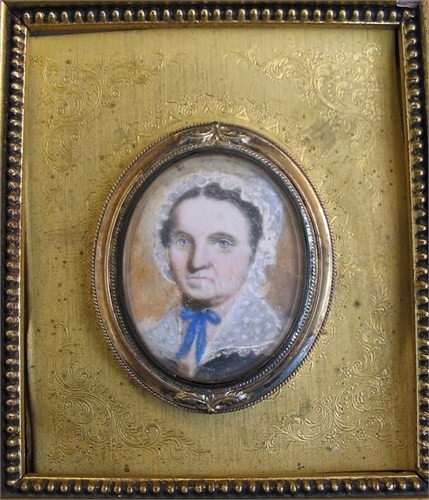
Early Life in South Carolina Backcountry
Catherine Moore Barry was probably born in 1752 near what is now Spartanburg, South Carolina. She was the eldest of ten children in the Moore family, one of the first English families to settle in the Piedmont region. Around 1767 — at the tender age of fifteen — she married Andrew Barry and moved just a couple of miles from her childhood home to a farm near the family’s plantation home, known as Walnut Grove Plantation.
Growing up on the frontier, Catherine became a capable horsewoman who knew every trail, shortcut, and wooded ravine. That intimate familiarity with the land would become a decisive advantage when war came to her home.
From Housewife to Patriot Scout and Courier
When the Revolutionary War erupted, Andrew Barry — like many men in the Spartanburg District — joined the local militia. But battlefields were not the only fronts of the war, for the Patriot cause to survive in the South’s wild backcountry, communication, coordination, and courageous local support were essential. Catherine answered that call.
By 1780–1781, she had become a trusted scout, messenger, and guide for Patriot forces operating under Daniel Morgan. Using her knowledge of the land, she carried messages between isolated settlements, alerted scattered militia bands to danger, and helped gather reinforcements when urgency struck.
Her role was more than symbolic: in a war where official lines of communication were fragmented, people like Catherine kept the revolutionary network alive. As one historical account puts it, when Morgan sent word to muster the militia for an impending battle, Catherine “carried the call” — riding through the warrens of Spartanburg County and the surrounding backcountry to gather men and alert families.
The Night Ride: Rallying the Militia at Cowpens
The moment for which Catherine Moore Barry is best remembered came in January 1781. British forces under Banastre Tarleton — a ruthless and feared commander — were closing in on Patriot positions. Morgan anticipated a confrontation and urgently needed every available man. But by then, many local militia had already returned home after earlier defeats.
According to tradition, Catherine did something extraordinary: she mounted her horse and rode out through the night to warn her neighbors that British forces were approaching.
By dawn, those warnings had spread. Militia companies, country rangers, and Patriot families rallied — swelling Morgan’s force from roughly 600 men to as many as 1,600 by the time the battle began.
The next day — January 17, 1781 — at the Battle of Cowpens, Patriot forces executed a brilliant tactical plan: a double envelopment that routed Tarleton’s men, inflicted heavy casualties, and forced many British soldiers to surrender.
The victory at Cowpens proved to be a turning point in the Southern campaign. It weakened British control of the South and helped set the stage for the final push toward independence.

Trials, Captivity — and Steadfast Resolve
Legend also tells of Catherine’s capture by Loyalist or British sympathizers during one of her missions. Reportedly, soldiers demanded she reveal the location of her husband’s company. She refused. Some accounts say she was tied to a tree and whipped three times.
Whether every detail is perfectly accurate may be lost to history — documentation from that era is often scarce or contradictory. Yet her reputation endured, and local memory honored her as unflinching and loyal when lives — including her own — were at stake.
Legacy: “Heroine of Cowpens”
After the war ended, Catherine returned to life on the farm. She and Andrew raised their family on or near Walnut Grove Plantation. She died in September 1823 and was laid to rest beside her husband in the family cemetery.
But her legend lived on. Locals — invigorated by stories of her ride through the dark to rally militia — began referring to her as the “Heroine of the Battle of Cowpens.”
Today, heritage organizations like the National Society Daughters of the American Revolution honor her memory, including through a chapter named after her.
Even more, her story serves as a powerful reminder: wars are not won solely by generals and artillery, but also by the brave, often invisible efforts of civilians — especially women — who sacrificed comfort, safety, and anonymity to do what they believed was right.