

Joseph Brant (Thayendanegea): Mohawk Leader Who Bridged Cultures During the American Revolution
In the complex story of America’s founding, Joseph Brant—known by his Mohawk name, Thayendanegea—stands out as a leader who navigated two worlds. A warrior, diplomat, and statesman, Brant sought to defend his people’s sovereignty while engaging with global powers during the American Revolution. His legacy reflects the diverse voices and perspectives that shaped early America.
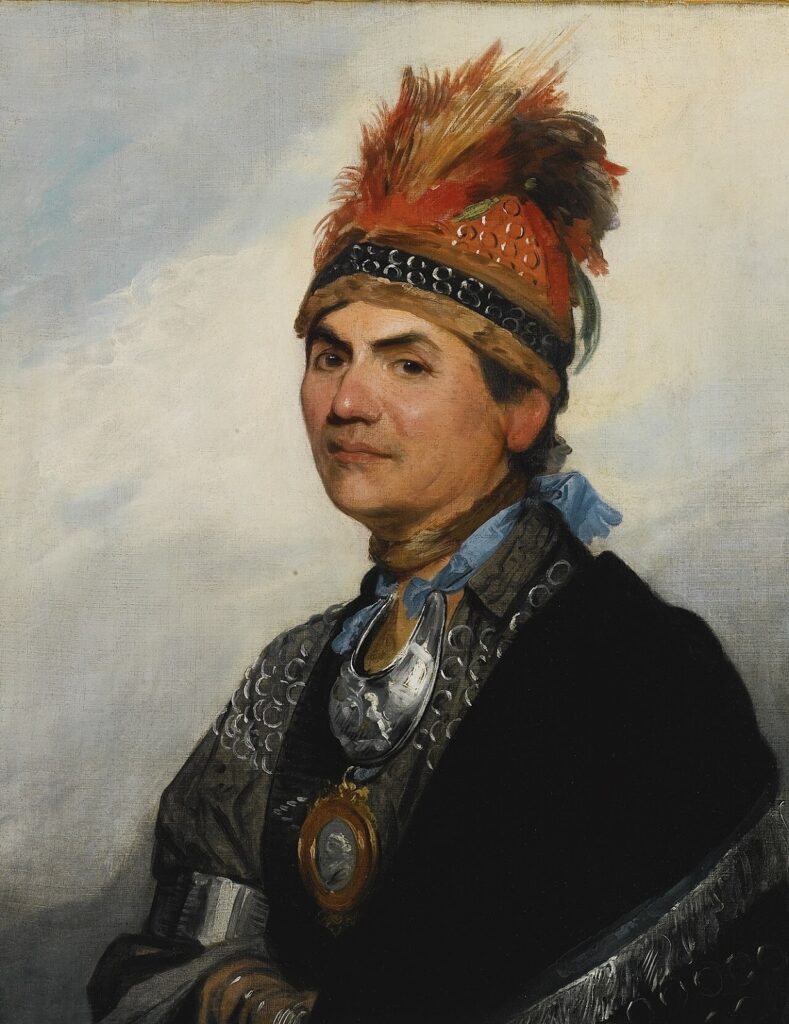
Portrait of the Mohawk Chieftain Thayendanegea, known as Joseph Brant (1742–1807), by Gilbert Stuart
A Bridge Between Cultures
Born in 1743 in what is now New York, Joseph Brant was raised in the traditions of the Mohawk Nation, one of the Six Nations of the Haudenosaunee (Iroquois) Confederacy. After the death of his father, Brant’s family became closely connected to Sir William Johnson, the British Superintendent of Indian Affairs, who recognized Brant’s intelligence and potential.
Brant received a Western-style education at Moor’s Indian Charity School in Connecticut, a forerunner to Dartmouth College. He later traveled to England, where he was introduced to British society and even met King George III. This unique exposure made him a skilled cultural intermediary—fluent in multiple languages and capable of navigating both Native and colonial political worlds.
The American Revolution and the Iroquois Confederacy
When the American colonies declared independence from Britain, the Haudenosaunee Confederacy faced a difficult choice: remain neutral, support the revolutionaries, or stand with the British Crown. Brant argued that the British alliance offered the best chance to preserve Iroquois lands and autonomy.
As a captain in the British army, he led Mohawk and other allied forces in several key engagements, including the Battle of Oriskany and raids across New York and Pennsylvania. Brant’s military leadership and deep understanding of frontier strategy made him one of the most formidable figures of the northern campaign.
However, the war divided the Iroquois Confederacy, with some nations supporting the Patriots and others the British. The resulting conflict brought devastating losses to Native communities—both in population and territory.
Advocate and Negotiator
After the British defeat, Brant turned his focus to diplomacy. Traveling to London, he met with British officials to secure new land for displaced Iroquois families. His efforts helped establish a new Mohawk settlement along the Grand River in present-day Ontario, ensuring his people would have a place to rebuild.
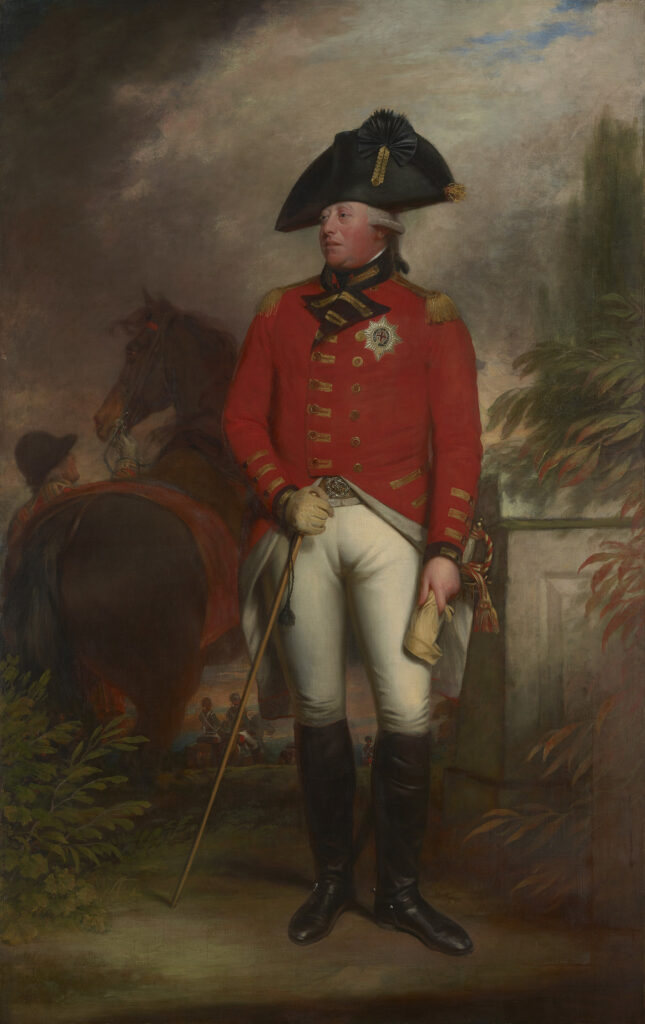
Did You Know? Joseph Brant (Thayendanegea) met King George III in England, becoming one of the few Indigenous leaders of his time to engage directly with European royalty in defense of Native sovereignty. Portrait of King George III by William Beechey
Throughout his later life, Brant continued to advocate for Native rights, land protection, and education. He worked to balance tradition and adaptation, encouraging literacy and cross-cultural understanding while preserving Mohawk heritage.
A Legacy of Leadership and Resolve
Joseph Brant’s role in the American Revolution underscores the global and multicultural dimensions of the nation’s founding era. He fought not for independence or empire, but for the survival and sovereignty of his people. His diplomatic skill and vision helped shape the early relationships between Native nations and the emerging governments of North America.
Brant’s legacy reminds us that the American Revolution was not only a struggle between colonists and the British, but also a pivotal moment for the Indigenous nations whose futures were forever changed. As a leader who stood at the intersection of cultures, Joseph Brant exemplified courage, intellect, and the enduring quest for justice and self-determination.