

“Mad Anthony” Wayne and the Courage to Win Independence
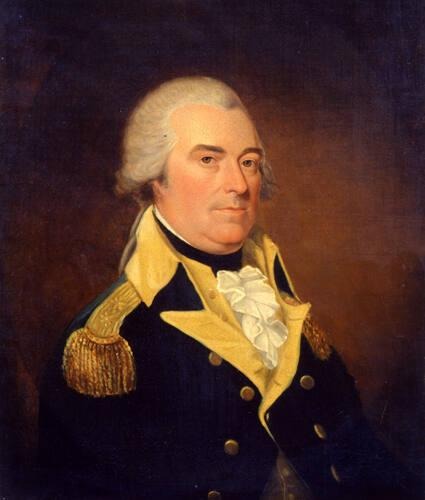
In the long struggle for American independence, victory did not belong only to ideas debated in halls and pamphlets, but to the individuals willing to test those ideas on the battlefield. Among the Revolutionary War’s most daring leaders was a Continental Army general whose boldness, resilience, and fierce determination earned him the unforgettable nickname “Mad Anthony.” Born in Pennsylvania and forged by war, Anthony Wayne became a symbol of the courage and discipline required to turn revolutionary ideals into lasting independence.
Born in Pennsylvania in 1745, Anthony Wayne grew up in a colony known for its active civic culture and tradition of self-government. Pennsylvania’s assemblies, town meetings, and public debates exposed many colonists to ideas about liberty and resistance to unchecked authority. These early influences helped shape Wayne’s sense of duty and commitment to the Patriot cause long before the first shots of the Revolution were fired.
Before entering military service, Wayne trained as a surveyor and worked as a land developer. These experiences sharpened his understanding of terrain, logistics, and leadership—skills that would later prove invaluable during wartime campaigns.
Becoming a Bold Continental Army General
When the Revolutionary War began, Wayne quickly distinguished himself as a bold and energetic officer in the Continental Army. He believed leadership required visibility and personal risk, often placing himself at the front lines alongside his troops. This hands-on approach inspired loyalty and confidence among soldiers who faced harsh conditions, limited supplies, and uncertain outcomes.
Wayne’s aggressive style did not go unnoticed. His willingness to take decisive action—sometimes under extreme pressure—earned him a reputation for fearlessness that bordered on legendary. It was during this period that fellow soldiers and observers began calling him “Mad Anthony,” a nickname that reflected not recklessness, but relentless determination and unshakable resolve.
The Nighttime Assault at the Battle of Stony Point
Wayne’s defining moment came in July 1779 at the Battle of Stony Point, a heavily fortified British position overlooking the Hudson River. Tasked with capturing the stronghold, Wayne planned a daring nighttime assault that relied on discipline, secrecy, and speed.
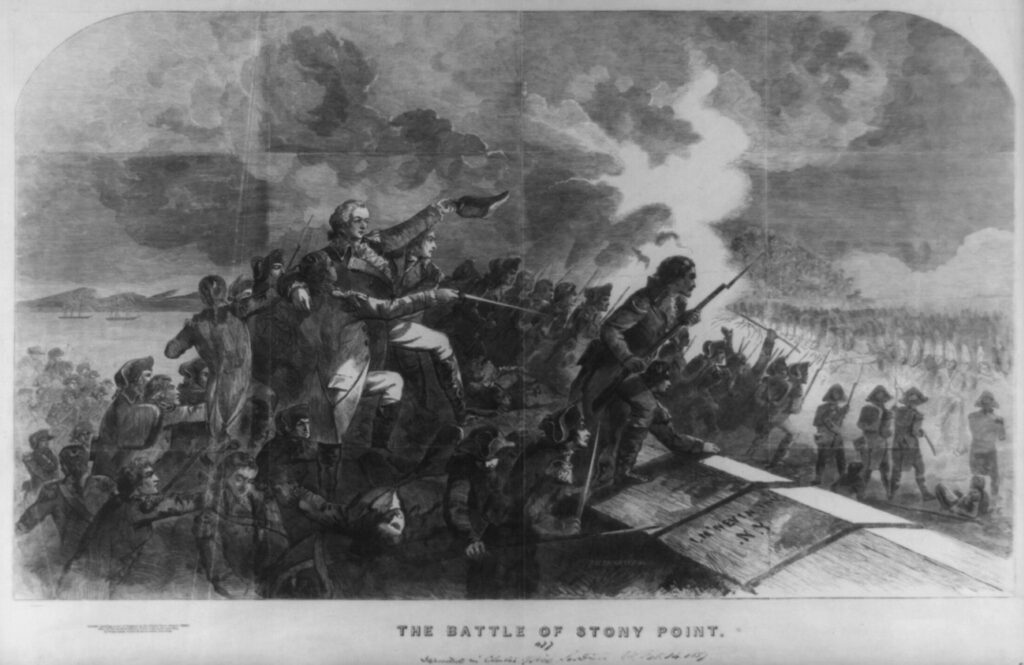
Leading his troops in silence, Wayne ordered his men to advance using only bayonets, forbidding the firing of muskets. The attack was risky, but it succeeded. Despite being wounded during the assault, Wayne refused to leave the battlefield until the fort was secured. The victory boosted American morale and proved that well-trained Continental forces could defeat entrenched British defenses.
The success at Stony Point became a powerful symbol of perseverance and preparation, reinforcing confidence in the revolutionary cause at a critical moment in the war.
Leadership at Yorktown and the Path to Independence
Wayne continued to serve with distinction throughout the war, including during the final campaign at Yorktown in 1781. There, American and French forces surrounded British General Charles Cornwallis, cutting off escape and supply lines.
Wayne commanded troops in the trenches that steadily advanced toward British defenses, applying pressure that ultimately forced Cornwallis’s surrender. The victory at Yorktown effectively ended major combat operations and marked the moment when American independence moved from aspiration to reality.

Service Beyond the Revolution
After the war, Wayne’s service to the young nation did not end. He later played a crucial role in stabilizing the western frontier as a general in the United States Army. There, he emphasized discipline, training, and respect for civilian authority—principles essential to the survival of a democratic republic.
His postwar leadership helped define the relationship between the military and civilian government, reinforcing the idea that armed forces exist to serve the people and the Constitution.
Why Anthony Wayne Matters Today
Anthony Wayne’s legacy is not simply one of battlefield victories but of civic responsibility in action. His life reminds us that founding the nation required individuals willing to defend democratic ideals under extraordinary pressure.
In a republic built on civilian leadership and the rule of law, Wayne’s example illustrates how courage and accountability can coexist. Learning about figures like Wayne helps deepen our understanding of the sacrifices and leadership that shaped the United States—and challenges us to consider how civic courage is expressed in our own time.
Learn more about Revolutionary leaders in our Founding Generation series.