
Martha Washington and the Meaning of Public Service
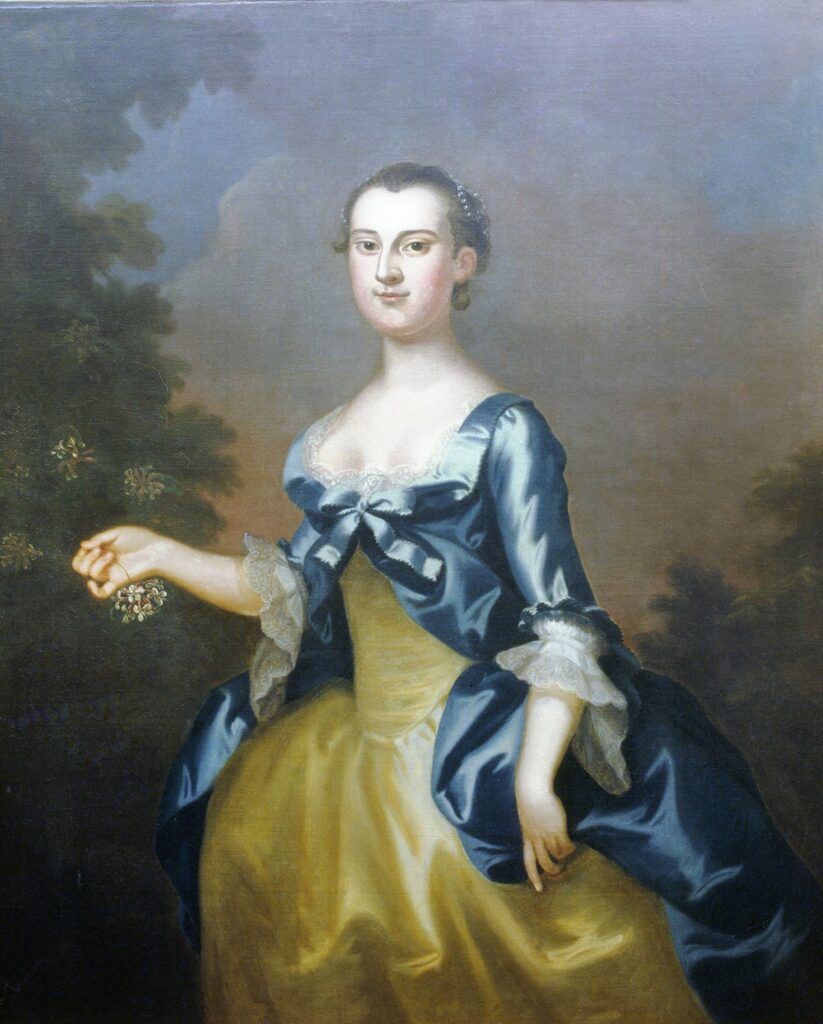
In the story of America’s founding, few figures illustrate civic leadership outside elected office as clearly as Martha Washington. Born Martha Dandridge in 1731, she became a pillar of strength, service, and national identity at a moment when the new nation desperately needed models of leadership.
As the wife of George Washington, her public role evolved dramatically during the Continental Army’s struggle for independence and later in the early republic. Her actions helped shape civic responsibility and unity—a legacy worth revisiting as we reflect on America’s 250th Anniversary and the foundations of service in the United States.
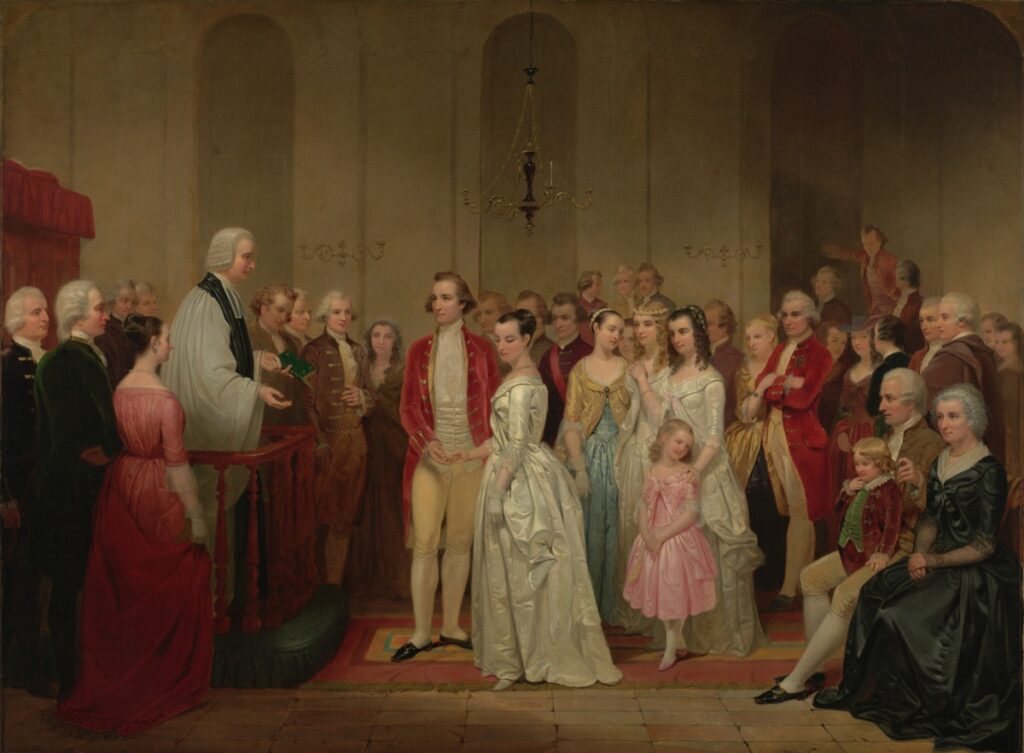
Support During the Revolutionary War
One way Martha Washington contributed to the cause of American independence was by joining the Continental Army during its long winter encampments. Most notably, she traveled from Mount Vernon to Valley Forge in February 1778, when the army’s winter camp faced challenging conditions. Despite the harsh environment, Martha oversaw the management of Washington’s headquarters, organized meals, and hosted officers and their wives to boost morale among the troops. These efforts demonstrated that her contribution was practical, emotional, and patriotic, even though she did not bear arms.
Women at Valley Forge, including Martha Washington, provided essential domestic support for survival by preparing clothing, tending to sick soldiers, and sustaining the community within the camp. While not always highlighted in mainstream narrative, these roles were central to keeping the Continental Army functioning through one of its toughest seasons.
Historians note that Martha’s presence was more than ceremonial; she acted as a confidant to her husband and supported him as he navigated leadership challenges. She is remembered for organizing small celebrations, such as a birthday gathering for George Washington, which created moments of levity and unity amidst hardship.

Setting Early Norms for Civic Responsibility
When the war ended, and George Washington became the first President of the United States in 1789, the nation lacked established traditions for the public role of leadership, especially for presidential spouses. Martha Washington helped bridge that gap through her conduct in the public eye.
In the first U.S. capital, New York City, and later in Philadelphia, Martha hosted weekly receptions known as “levees.” These gatherings provided structured occasions where government officials, foreign dignitaries, and ordinary citizens could interact in a manner that supported civic order without aristocratic pretension. According to Mount Vernon historians, her approach balanced respectability with the republican ideals cherished by the new nation.
By choosing hospitality over hierarchy, she helped build a sense of national identity centered on service and mutual respect rather than inherited privilege.
Service Beyond Elected Office
Martha Washington’s life underscores a broader truth: civic engagement and leadership are not confined to formal political positions. Throughout the Revolution and the early republic, her service took many forms:
- Managing extensive household and logistical operations at Mount Vernon.
- Organizing and bolstering support for the Continental Army during difficult periods.
- Hosting inclusive civic rituals that strengthened social bonds in a nascent nation.
These activities modeled responsibility, collaboration, and resilience—qualities essential to civic life then and now.
Service, Duty, and National Unity
In the context of our nation’s anniversary, Martha Washington’s example resonates with themes that continue to matter: service beyond self, support for collective purpose, and reinforcement of unity in times of division. Civic engagement is often thought of in terms of voting or legislation, but individuals—including those without official titles—have always contributed to a functioning republic through daily acts of service.
Her life invites reflection on how citizens today can serve their communities in ways that build understanding and strengthen shared identity. Civic responsibility does not begin and end with elections; it extends into the spaces where people come together in support of common goals.
Explore more stories from the Revolutionary era in our Founding Generation series.
Footnotes
- Martha Washington’s participation in the Continental Army’s winter encampments is documented by the National Park Service and associated historical sites.
- Her life at Valley Forge and contributions to camp morale and organization are detailed by local history sources.
- Women’s roles in supporting the Continental Army’s winter encampment, including domestic support and morale-building, are highlighted by the American Battlefield Trust.