

Molly Pitcher (Mary Ludwig Hays) — Revolutionary War Heroine of Monmouth
Among the enduring figures of the American Revolution, few have captured the public imagination quite like “Molly Pitcher.” Long celebrated as the brave woman who carried water to weary soldiers before stepping in to help fire a cannon during battle, Molly Pitcher became a symbol of courage, resilience, and the overlooked contributions of women during the fight for American independence.
Yet behind the legend stands a real woman: Mary Ludwig Hays. Though historians continue to debate how much of the famous story is fact and how much is patriotic memory, Mary’s life reflects the very real sacrifices made by countless women who supported the Revolutionary cause — often without recognition, compensation, or lasting historical credit.¹
Early Life and Humble Beginnings
Mary Ludwig was born in 1754, likely in either Pennsylvania or New Jersey, to a working-class family of German ancestry. Unlike many prominent Revolutionary figures, Mary did not come from wealth or political influence. She likely received little formal education, as opportunities for girls in colonial America were limited, especially for those from modest means.²
As a young woman, Mary worked as a servant before marrying William Hays, a barber who later enlisted in the Continental Army’s 4th Pennsylvania Artillery. Like many soldiers’ wives during the Revolution, Mary followed the army during portions of the war, joining the community of women known as “camp followers.”³
These women performed essential but frequently overlooked labor. They washed clothing, cooked meals, cared for the sick and wounded, transported supplies, and carried water to exhausted troops. The nickname “Molly Pitcher” likely emerged from this role, as “Molly” was a common nickname for Mary, while “pitcher” referred to the water pitchers women carried across the battlefield.¹
Courage at the Battle of Monmouth
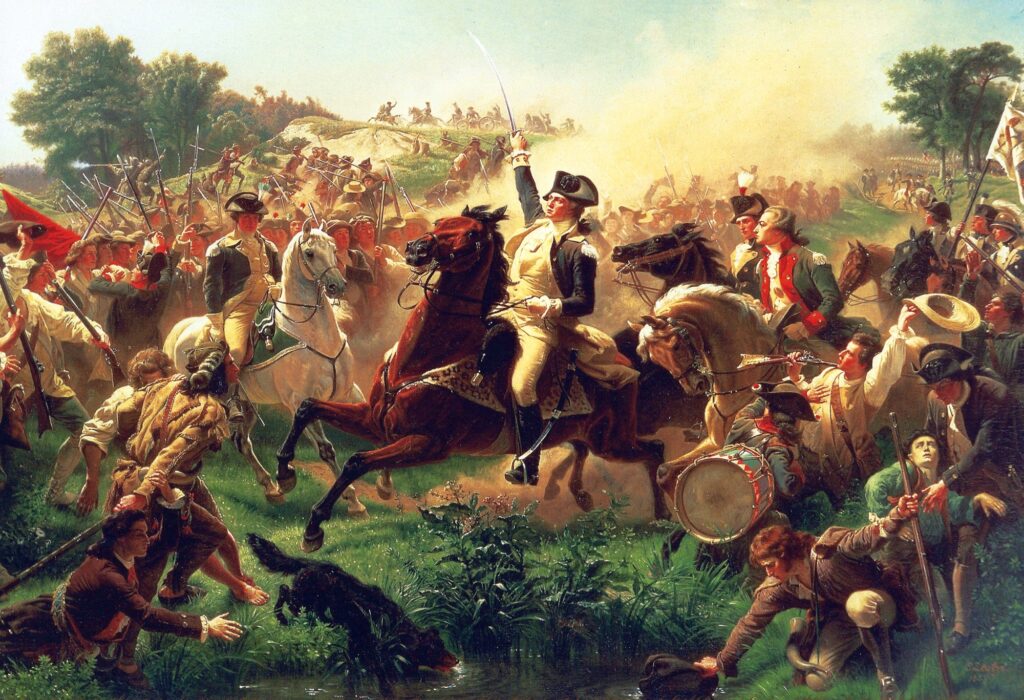
Mary Ludwig Hays became legendary during the Battle of Monmouth in New Jersey on June 28, 1778 — one of the largest and hottest battles of the Revolutionary War. Temperatures reportedly climbed near 100 degrees as American and British forces fought through suffocating heat and smoke.⁴
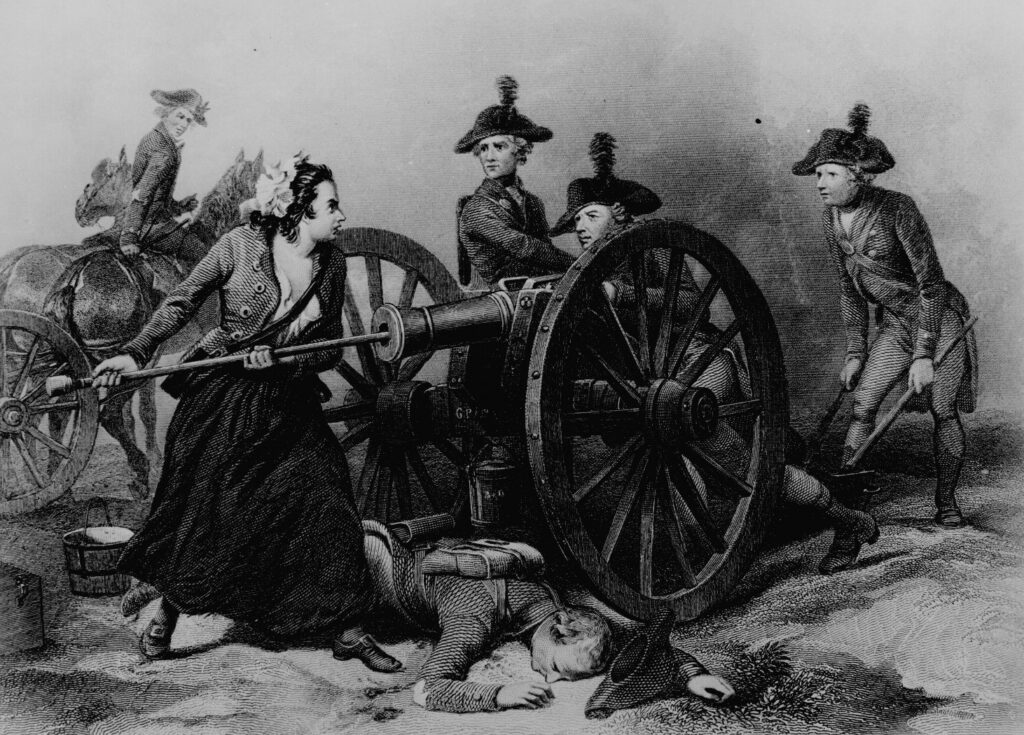
Throughout the battle, Mary carried water to thirsty soldiers and artillery crews while also helping cool overheated cannons. According to tradition, her husband William collapsed from either wounds or heat exhaustion while serving at his artillery post. Rather than retreating, Mary stepped forward and took his place beside the cannon for the remainder of the battle.²
One famous eyewitness account came from Continental Army soldier Joseph Plumb Martin, who recalled seeing a woman calmly continue her duties even after a cannonball tore through her clothing.³ Over time, stories of Mary’s bravery spread widely, and legend later claimed that General George Washington personally recognized her courage and bestowed upon her the honorary title “Sergeant Molly.” While historians debate whether this event occurred exactly as later retellings describe, the story became deeply embedded in American memory.¹
Between History and Legend
The story of Molly Pitcher occupies a unique place between documented history and national folklore. Historians today generally agree that “Molly Pitcher” may not have referred to a single individual alone, but instead became a composite figure representing several women who served near battlefields during the Revolution.²
Another Revolutionary War heroine, Margaret Corbin, also famously took over her husband’s artillery position during combat after he was killed at Fort Washington in 1776. Some historians believe her story contributed to the broader Molly Pitcher legend.³
Even so, Mary Ludwig Hays remains the figure most closely associated with the name. Pennsylvania records later awarded her an annual pension “for services rendered,” suggesting that contemporaries recognized her wartime contributions as significant and deserving of public acknowledgment.¹
Life After the Revolution
The years after the Revolution were difficult for Mary. Her husband William died in the 1780s, and her second marriage to John McCauley reportedly brought financial hardship. She spent much of her later life in Carlisle, Pennsylvania, where townspeople remembered her as a hardworking, outspoken, and resilient woman.²
In 1822, the Commonwealth of Pennsylvania granted her an annual pension of forty dollars in recognition of her service during the Revolution. Though modest, the pension represented a rare acknowledgment of a woman’s wartime contributions during the early years of the republic.³
Mary Ludwig Hays McCauley died on January 22, 1832, and was buried in Carlisle. Over time, monuments, paintings, literature, and patriotic stories transformed “Molly Pitcher” into one of the Revolution’s most recognizable female figures.⁴
Legacy and Civic Relevance
Molly Pitcher’s story endures because it reminds us that the American Revolution was not shaped solely by generals, legislators, and famous Founders. Independence also depended upon ordinary citizens whose labor, endurance, and courage sustained the cause through years of hardship and uncertainty.
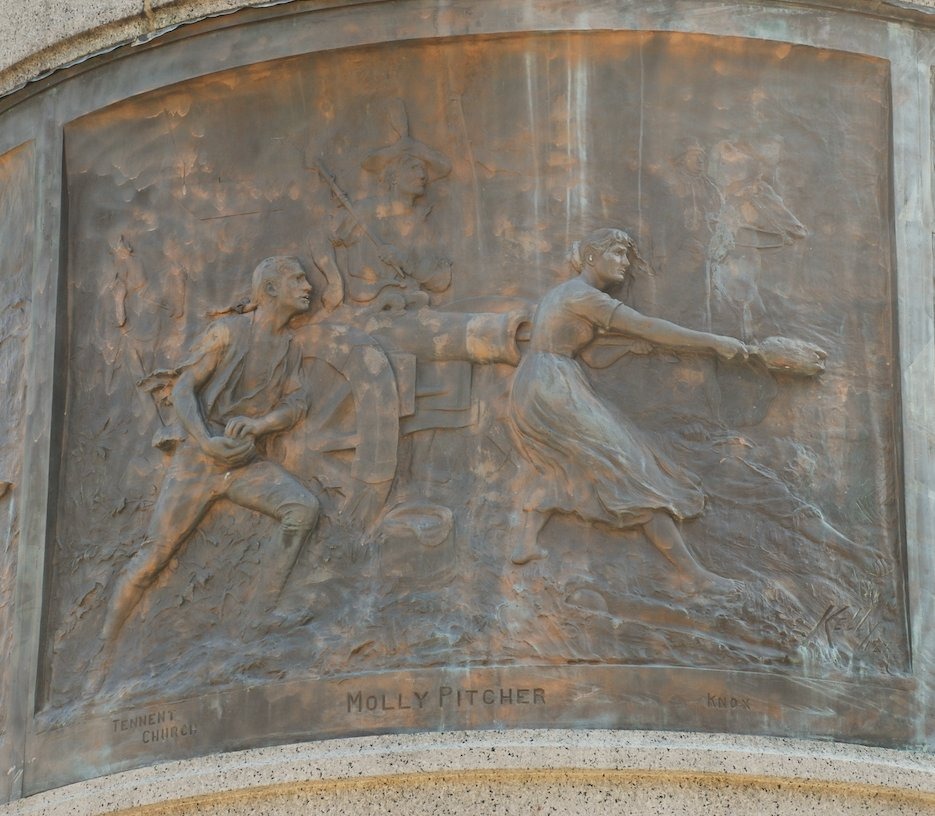
Women like Mary Ludwig Hays rarely held formal authority, yet they contributed in ways that proved indispensable to the survival of the Continental Army. Whether carrying water across a battlefield, caring for wounded soldiers, or stepping into dangerous situations when needed most, their service reflected a broader truth about civic life: democracies depend not only on leaders but also on citizens willing to act when circumstances demand it.
The legacy of Molly Pitcher offers a reminder that courage often appears in unexpected places — and that history is shaped not only by those whose names appear in official documents, but also by those whose determination carries a nation forward.