
Prince Hall: Civic Leadership in the American Founding
Prince Hall was born around 1735, likely in Boston, Massachusetts, into a society that limited opportunities for African Americans even in free communities. Despite these barriers, Hall became a central figure in early Black civic life, combining religious leadership, educational advocacy, and the creation of enduring institutions to support African Americans in the young republic.¹

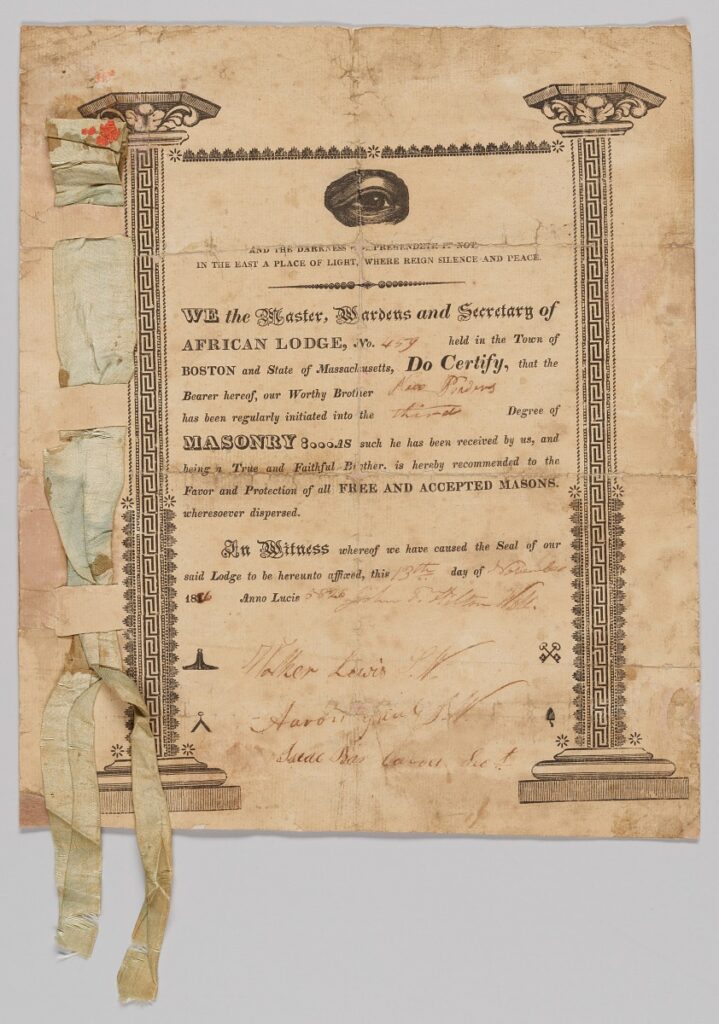
He is best known as the founder of African Lodge No. 459—the first African American Masonic lodge in North America. Through freemasonry, Hall cultivated networks of mutual support, promoted literacy, and encouraged civic participation in a period when African Americans were often denied a formal voice in public life.²
Early Life and Civic Awareness
Prince Hall grew up in Boston’s free Black community, where he gained literacy and practical skills while observing the civic inequalities of the era. By the time of the American Revolution, he had emerged as a moral and organizational leader. He joined the movement to secure freedom and rights for African Americans, advocating for both education and lawful participation in government.³
Hall recognized that civic engagement extended beyond petitions or speeches—it could be embodied in institutions. African Lodge No. 1 became a hub for teaching literacy, sharing knowledge of governance, and fostering civic responsibility among Black men who were otherwise excluded from political and social leadership.
Freemasonry as a Tool for Equality
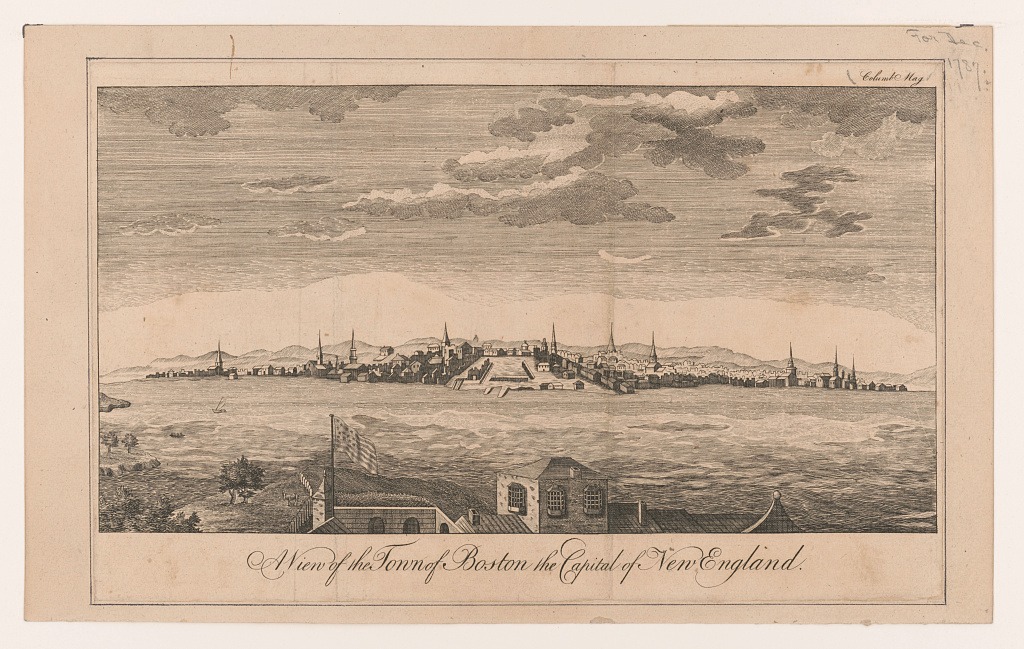
In 1784, Hall and 14 other free Black men were initiated into a Masonic lodge affiliated with the Grand Lodge of England. They soon received a charter establishing African Lodge No. 459 in Boston. This lodge became a model for subsequent African American Masonic lodges across the northern United States, offering both social cohesion and a framework for civic education.⁴
Freemasonry provided Hall with a platform to advocate for African Americans’ rights while staying within the legal frameworks of the time. He used lodge meetings to discuss issues such as education, property ownership, and legal advocacy, blending personal morality with community responsibility.
Advocacy and Public Engagement
Prince Hall did not limit his civic work to the lodge. He petitioned the Massachusetts legislature on multiple occasions, calling for the abolition of slavery and expanded access to public institutions for Black citizens. He also encouraged education as a vehicle for empowerment, arguing that knowledge was inseparable from freedom.⁵
Hall’s combination of institutional leadership, lawful petitioning, and moral advocacy established a model for African American civic engagement during the nation’s formative years. He demonstrated that active participation in community-building could create tangible opportunities for influence, even when formal political power was denied.
Legacy and Enduring Impact
Prince Hall died in 1807, leaving a legacy that continues today through Prince Hall Freemasonry, which operates lodges across the United States and globally. His life exemplifies a founding-era approach to civic engagement: creating institutions, advocating for justice, and fostering education as a public good.
Through his work, Hall illustrated that civic leadership does not always require elected office. By establishing structures for mutual support, education, and lawful advocacy, he ensured that African Americans could participate meaningfully in shaping their communities and asserting their rights within the new republic.
Explore more stories from the Revolutionary era in our Founding Generation series.
- PBS, Africans in America – Prince Hall.
https://www.pbs.org/wgbh/aia/part2/2p37.html - Wikipedia, Prince Hall.
https://en.wikipedia.org/wiki/Prince_Hall - BlackPast.org, Prince Hall (ca. 1735–1807).
https://www.blackpast.org/african-american-history/hall-prince-c-1735-1807/ - Scottish Rite Masonic Museum & Library, Prince Hall.
https://www.srmml.org/hall-of-fame/prince-hall/ - PBS, Africans in America – Prince Hall (advocacy and civic engagement sections).
https://www.pbs.org/wgbh/aia/part2/2p37.html