

Sarah Franklin Bache: Civic Leadership on the Revolutionary Home Front
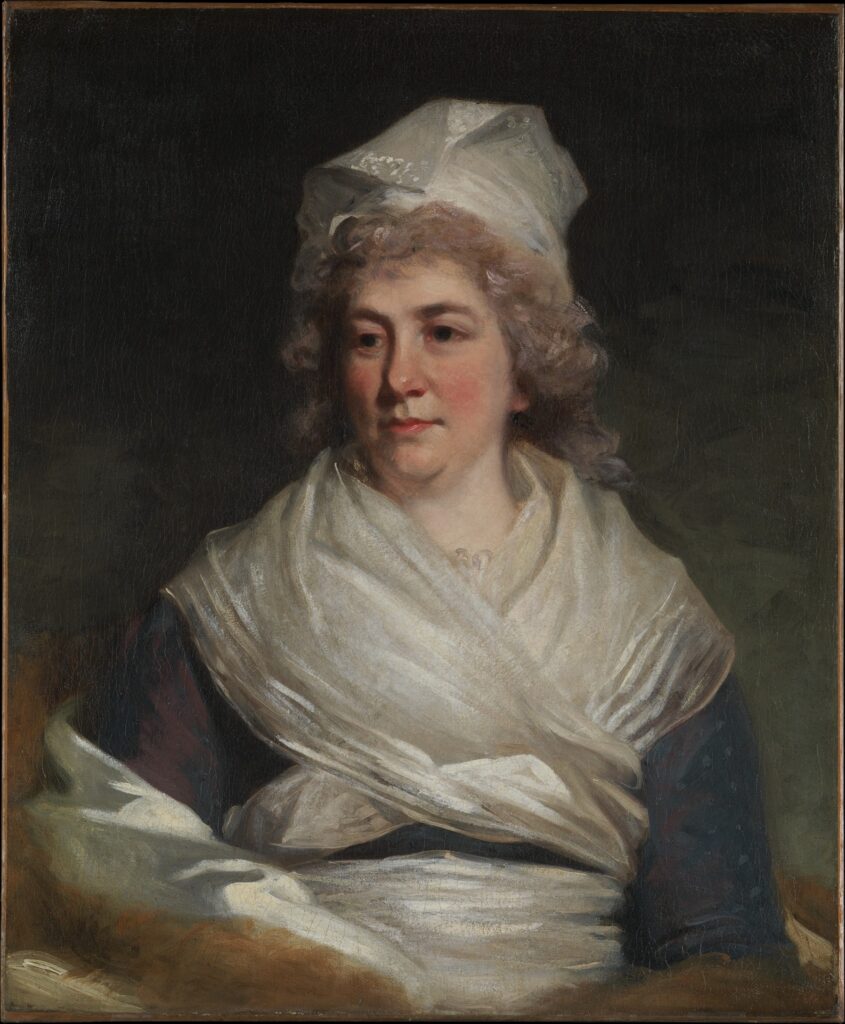
Sarah Franklin Bache was born on September 11, 1743, in Philadelphia, then one of the most populous and politically active cities in the American colonies. As the daughter of Benjamin Franklin and Deborah Read Franklin, she grew up in an environment immersed in civic discussion, print culture, and public affairs. Her father’s roles — as printer, diplomat, and statesman — exposed her to organized political and social leadership early, helping shape her understanding of public service and community engagement.¹
Sarah’s upbringing in a prominent household did not limit her to domestic life; instead, it provided sustained contact with influential thinkers and civic actors, preparing her for the leadership roles she would assume during the American Revolution.
Wartime Relief Work in Revolutionary Philadelphia
When war erupted in 1775, Philadelphia became a focal point of military and political action. Amid this milieu, Sarah Bache emerged as a leader in organized civic support on the home front. Women in Philadelphia formed voluntary associations to raise funds, produce clothing, and gather supplies for Continental Army troops. Bache played a key role in these efforts, helping organize what became known as the Ladies Association of Philadelphia.
Under her leadership, the association raised money and coordinated volunteers to produce critical supplies, including clothing for soldiers. One contemporary estimate places the number of shirts and other items produced at more than 2,000, demonstrating not only compassion but also impressive organizational capability.²
This work was more than charity; it was structured civic participation. By mobilizing women across age groups and social standings, Bache helped create a model of collective action that contributed directly to the war effort and shaped early American understandings of public involvement beyond elected office.
Correspondence and Civic Engagement
Sarah Franklin Bache’s contemporaries recognized her organizational energy and commitment to the cause. Surviving correspondence between her and government officials — including exchanges relating to troop support — illustrates her active engagement with public leaders and wartime logistics. A letter from government archives shows Bache coordinating on behalf of relief committees and exchanging information relevant to ongoing support work.³
These letters reveal not only her personal dedication but also the practical realities of organizing volunteers, managing supplies, and liaising with civic institutions — skills often undervalued in traditional military or political histories but essential to sustaining collective effort in the Revolution.
Balancing Family and Public Service
While actively leading relief work, Bache also managed household responsibilities and family concerns. After her mother’s death in 1774, she assumed increased responsibility for her father’s household, including care of visitors and associates connected with Benjamin Franklin’s diplomatic efforts abroad. This dual role underscored the blurred lines between public and private life during the Revolution, as families adapted to prolonged conflict and civic mobilization.¹
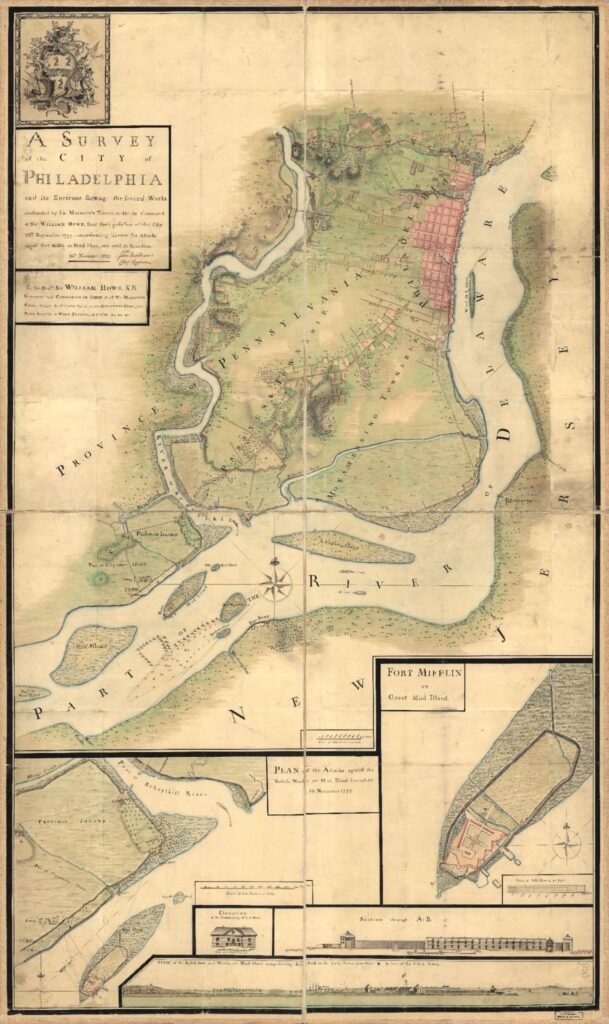
The Revolution brought repeated threats to Philadelphia. Bache evacuated with her family when British forces occupied the city in 1777, a pattern shared by many civilians living in contested regions. Throughout these upheavals, she remained engaged with both community responsibilities and organized civic efforts.
Legacy of Civic Participation
After the Revolution, Sarah Franklin Bache returned to family life in Philadelphia but left behind a legacy of structured civic involvement. Her leadership in wartime relief foreshadowed the more formalized civic organizations that would emerge in the United States during the nineteenth century. By demonstrating that ordinary citizens — including women — could organize for public purposes, Bache’s example helped expand the cultural understanding of who could contribute to the public good.
She continued to live in Philadelphia until her death on October 5, 1808. Although her name has not always been as prominent in national narratives as some of her contemporaries, historians and local scholars recognize her as an early exemplar of civic responsibility and collective action.⁴
Why Sarah Franklin Bache Matters Today
Sarah Franklin Bache’s life illustrates that civic engagement in the founding era extended beyond formal political office and battlefield service. Her experience demonstrates how organized efforts at the community level — from fundraising to supply management — were integral to national causes and contributed meaningfully to the success of the American Revolution.
Her story invites modern audiences to think broadly about civic leadership: not only as elected authority or military command, but also as collaboration, coordination, and service for the common good. Bache’s work remains a relevant example of how citizens can mobilize resources and networks to support public purposes — a key aspect of civic learning for today’s democracy.
Explore more stories from the Revolutionary era in our Founding Generation series.
Footnotes
- Pennsylvania Center for the Book, “Sarah Franklin Bache,” Pennsylvania State University,
https://pabook.libraries.psu.edu/literary-cultural-heritage-map-pa/bios/bache__sarah_franklin - American Revolution.org, “Sarah Franklin Bache Biography,” accessed online,
https://www.americanrevolution.org/sarah-bache-biography/ - Founders Online, Letter from Committee of Congress to Sarah Bache, 1780, relating to relief activities, National Archives,
https://founders.archives.gov/documents/Franklin/01-39-02-0011 - American Aristocracy.org, “Sarah Franklin Bache,” historical profile,
- https://americanaristocracy.com/people/sarah-franklin-bache-sergeant